

Effective inter-sectorial coordination in recent years has helped Viet Nam become a shining example in the world in significantly reducing drowning deaths nationwide.
Drowning is a health burden at the global level

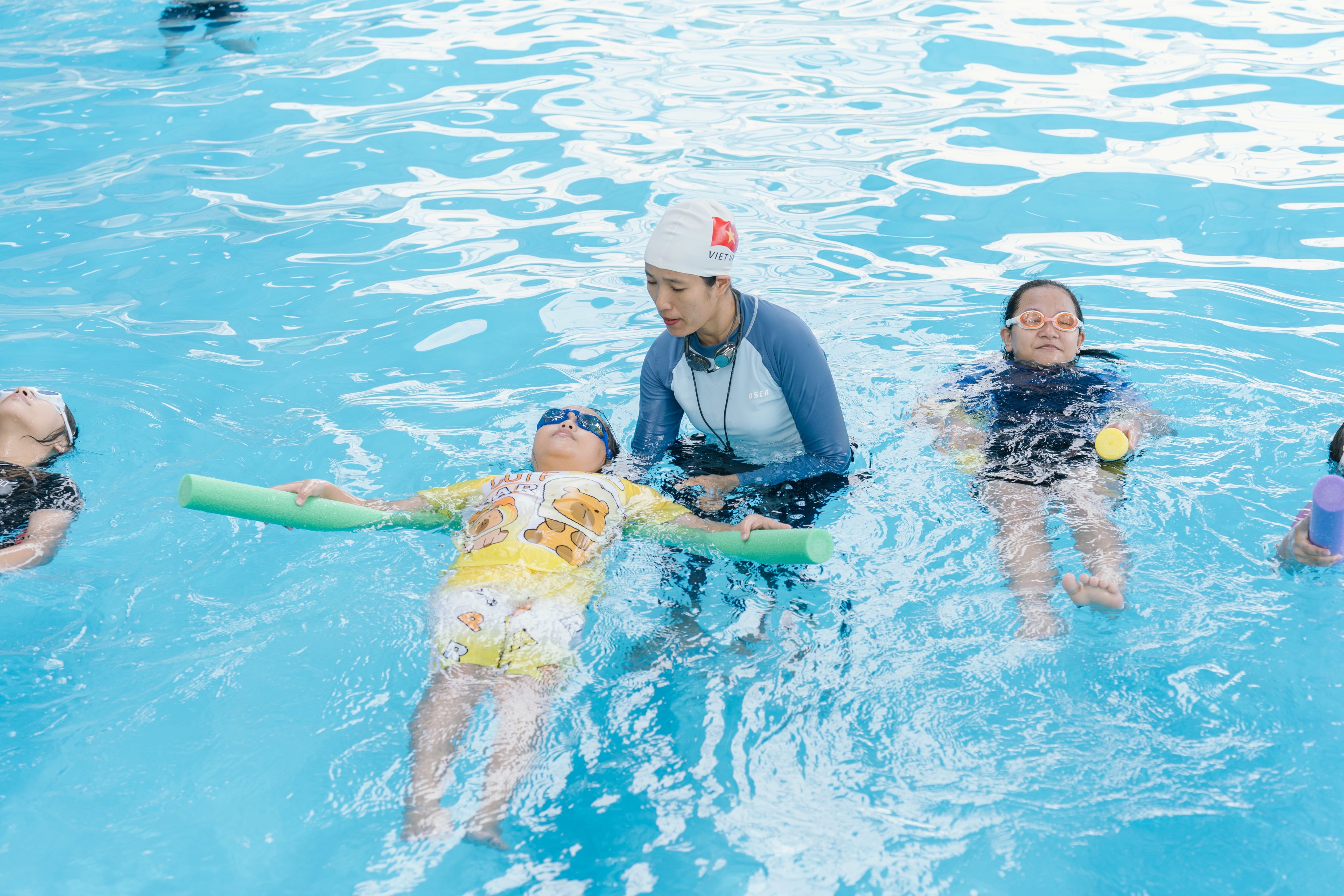
According to a report by the World Health Organization (WHO), in the past decade, drowning has caused more than 3 million deaths worldwide. Drowning is a significant threat to the lives of children and adolescents, ranked as the third leading cause of death for children aged 5 to 14 and the fourth leading cause of death for children aged 1–4. Notably, 92% of drowning cases occur in low- and middle-income countries, with the drowning rate in low-income countries being 3.2 times higher than in high-income countries.
In Viet Nam, in recent years, although the rate of child deaths due to drowning has decreased by 3-5%, an average of 1,900 children still die from drowning each year. The rate of child deaths due to drowning in the country is eight times higher than in high-income countries. 76.6% of drowning cases occur in the community, 22.4% occur at home, and only 1% occur at schools. Summer is often the peak season for child drowning cases, especially in rural areas with numerous rivers, streams, and lakes.
This demonstrates that drowning remains one of the leading causes of death among children and adolescents in Viet Nam. In recent times, a series of drowning-related deaths have not only left huge mental scars for the victims’ families but also sounded the alarm about the public health crisis caused by the lack of skills to defend and survive in the aquatic environment.
According to Dr. Duong Khanh Van, a technical officer from the World Health Organization (WHO) in Viet Nam, drowning predominantly impacts children and young people and more than nine in ten deaths occur in low and middle-income countries, drowning is a health burden at the global, regional and national levels, especially in children aged 1–14.

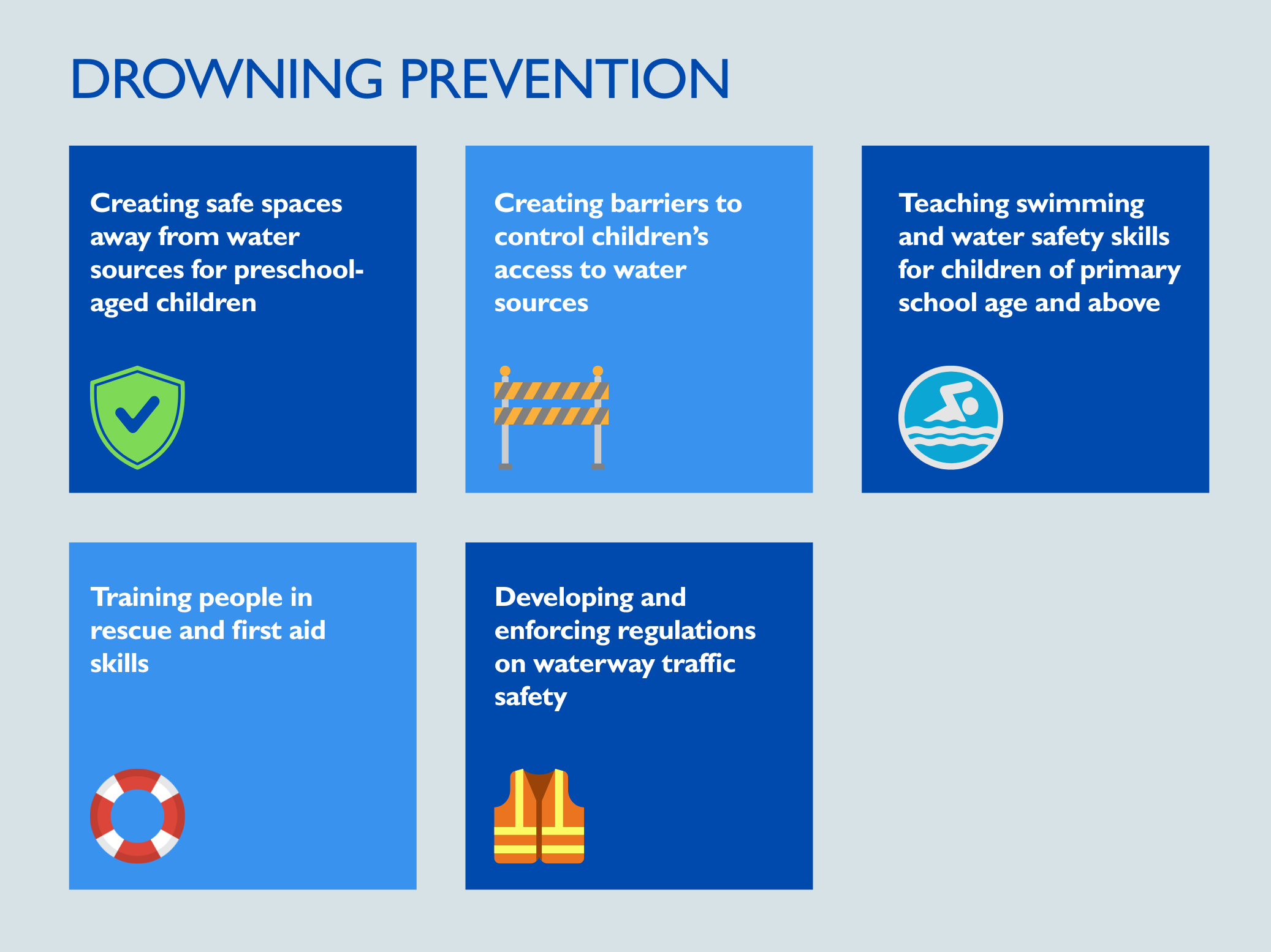
Drowning, however, is entirely preventable through the implementation of evidence-based, cost-effective approaches. To prevent drowning, WHO has recommended four strategies and six interventions, focusing on ensuring strong national mechanisms for a coordinated and effective approach to addressing drowning, while the interventions promote community action.
The four strategies include: encouraging multi-sectoral coordination; raising public awareness of drowning prevention through strategic communication; establishing a national waterway safety plan; researching child drowning prevention through data collection and systematic research.
Meanwhile, six drowning prevention interventions include: creating safe spaces away from water sources for preschool-aged children; creating barriers to control children’s access to water sources; teaching swimming and water safety skills for children of primary school age and above; training people in rescue and first aid skills; developing and enforcing regulations on waterway traffic safety.
International support helps Viet Nam gain encouraging results

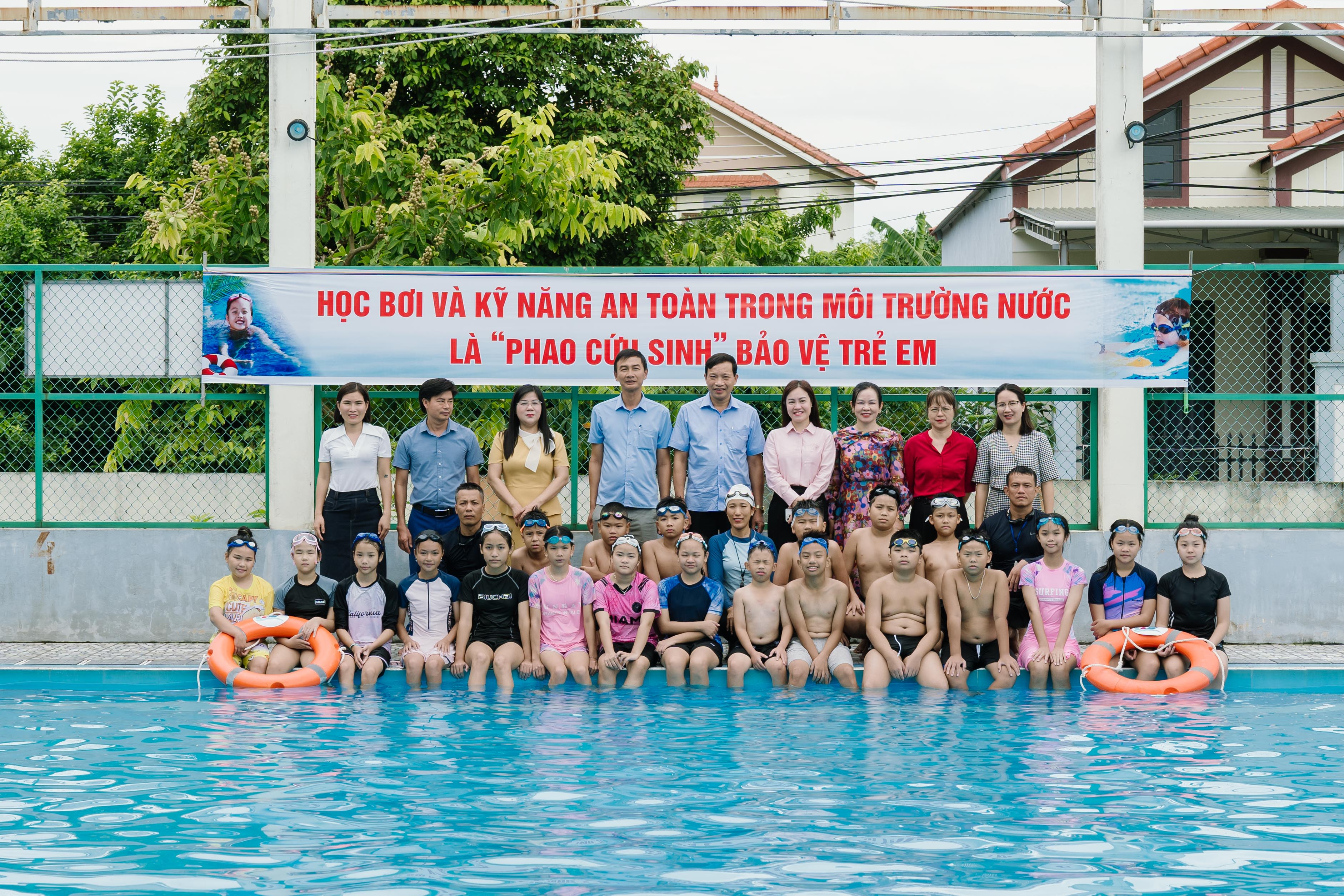
According Kelly L. Larson — Director of Injury Prevention Program, Bloomberg Philanthropies (the US), since 2018, Bloomberg Philanthropies with the Campaign for Tobacco-Free Kids (CTFK) playing as the accompanying unit) has coordinated with the Vietnamese Government, specifically the Department of Children under the Ministry of Labour, Invalids and Social Affairs — now the Department of Mothers and Children under the Ministry of Health — to implement the drowning prevention programme for children in localities.
Kelly said she was impressed with the level of commitment across all ministries in Viet Nam. They have come together to ensure that there are resources to provide children with swim instruction. She was also impressed with the provincial commitment to provide funding to support swim instruction in their respective provinces throughout the country. It’s a great example of how a country can protect its children by coming together both at the national level and at the provincial level, she noted.

According to her, Viet Nam is currently one of the leading countries in the world in implementing drowning prevention programmes based on scientific evidence. In the coming time, Bloomberg Philanthropies will continue to provide technical support to the Ministry of Health and relevant agencies to help Viet Nam expand the scale of swimming teaching programs, protecting children aged 6 to 15 — especially in areas where natural disasters and floods frequently occur. At the same time, it creates opportunities for Viet Nam to share experiences and practical lessons with other countries.
Sharing experiences in implementing safe swimming programmes and safety skills for children, Doan Thu Huyen, Country director of Campaign for Tobacco-Free Kids, who also delivered a successful speech about Viet Nam’s progress at the recently-held World Drowning Prevention Conference in Egypt. Viet Nam’s Ministry of Health used to report more than 3,000 child drowning deaths every year before 2015, and that number has declined over the years to now stand at around 2,000.
She added that the steady decline in drowning deaths reflects the positive impact of intervention programs implemented over the past seven years. Viet Nam launched a child-drowning prevention program in 2018 with support from Bloomberg Philanthropies, providing swimming lessons and basic water safety training to children in the provinces of Dong Thap, An Giang, Thai Nguyen, Thanh Hoa, Quang Tri and Da Nang City.
The programme initially targeted 50,000 children, but by 2025 more than 63,000 are expected to receive free swimming lessons and over 80,000 to be trained in water safety skills. In programme areas, the percentage of children who can swim has increased from 14% to more than 32%, and drowning deaths have reduced by 16%, she noted.
Huyen especially emphasised the model of “Safe swimming – Vaccine to prevent drowning for children”. With only about 30 USD per child–for instructors, supervisors, organisations, swimming pool infrastructure–a child can be completely equipped with safe swimming skills to protect themselves, thereby significantly reducing the risk of death caused by drowning.
She added that the programme has been implemented in 112 communes of 10 provinces and cities across the country, including many areas in remote areas with difficult access, with 24% being poor and very poor households, 40–50% of parents and caregivers do not know about safe swimming and how to supervise children under 6 years old.
Huyen also emphasised the encouraging results in the process of implementing the programme in Viet Nam: 2,250 staff were trained to improve their capacity in child drowning prevention; 908 instructors were trained in safe swimming; 1,096 instructors were trained in safety skills; 52,204 children aged 6-15 were taught safe swimming; 52,250 children aged 6-15 were taught safety skills; 30,204 parents, caregivers, preschool teachers received training in drowning prevention among children. The rate of children aged 6-15 who know how to swim safely in the intervention area has increased significantly compared to before.
Vandana Shah, Vice President of the U.S.-based Global Health Advocacy Incubator (GHAI), hailed Viet Nam as a global exemplar in implementing drowning-prevention programmes.
She expressed her deep impression on the strong political will and engagement of administration, ministries and sectors in Viet Nam, when drowning prevention has been integrated into many policies and programmes. This is a multi-sectoral approach with the participation of many levels of government.
She also emphasised that the GHAI would continue to support Viet Nam in the coming time with a focus on technical assistance and highly encourage authorities to maintain these programmes to reduce drowning-related deaths in a sustainable manner.

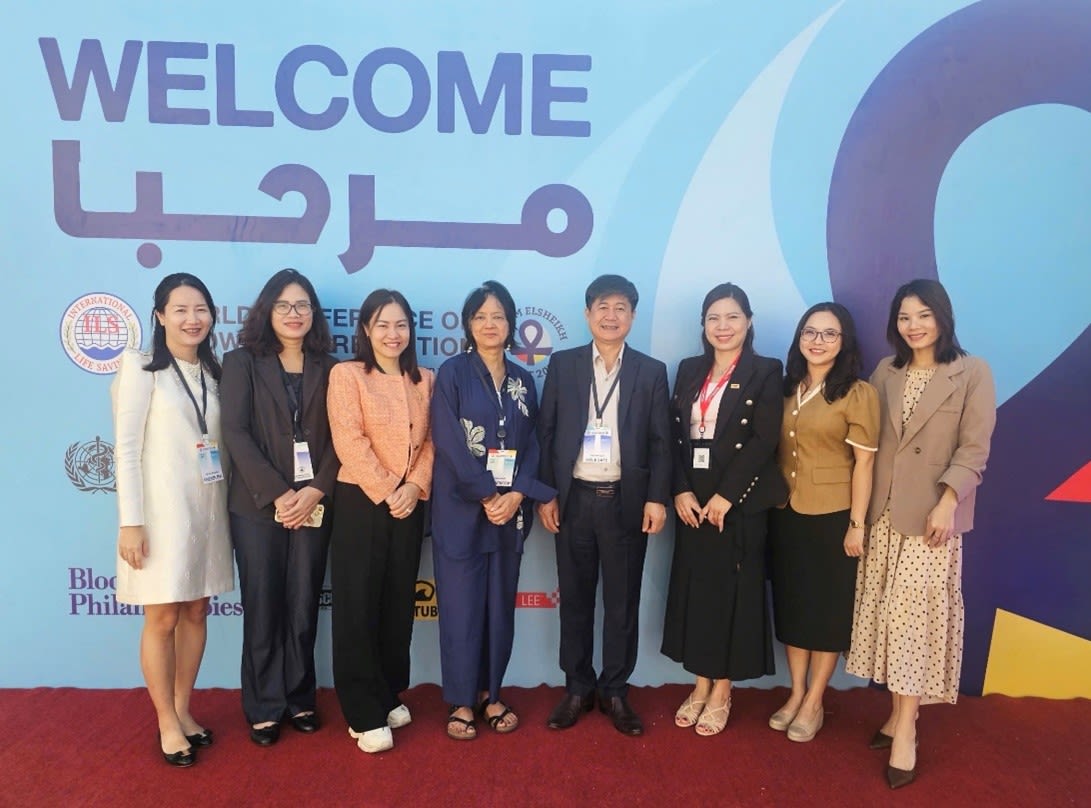







The Vietnamese delegation attends the World Conference on Drowning Prevention held in Egypt in November, 2025.
The Vietnamese delegation attends the World Conference on Drowning Prevention held in Egypt in November, 2025.

Vietnamese journalists present souvenir gifts to the Organising Committee.
Vietnamese journalists present souvenir gifts to the Organising Committee.

The two-day training session in Egypt brought together over 20 journalists from several countries such as Egypt, Viet Nam, the U.S., Bangladesh, Uganda and the Philippines with an aim to enhance media involvement in child-drowning prevention.
The two-day training session in Egypt brought together over 20 journalists from several countries such as Egypt, Viet Nam, the U.S., Bangladesh, Uganda and the Philippines with an aim to enhance media involvement in child-drowning prevention.

The two-day training session in Egypt brought together over 20 journalists from several countries such as Egypt, Viet Nam, the U.S., Bangladesh, Uganda and the Philippines with an aim to enhance media involvement in child-drowning prevention.
The two-day training session in Egypt brought together over 20 journalists from several countries such as Egypt, Viet Nam, the U.S., Bangladesh, Uganda and the Philippines with an aim to enhance media involvement in child-drowning prevention.
Also in the framework of the World Conference on Drowning Prevention held in Egypt in November, 2025, as part of Bloomberg Philanthropies global drowning prevention efforts, the GHAI has developed a Toolkit for Journalists on Drowning Prevention to ensure that country-level journalists in priority countries understand the global burden of drowning, potential solutions, their own country context and the important role that media can play in increasing demand for action.
The two-day training session in Egypt brought together over 20 journalists from several countries such as Egypt, Viet Nam, the U.S., Bangladesh, Uganda and the Philippines with an aim to enhance media involvement in child-drowning prevention.
The World Conference on Drowning Prevention 2025 brought together thousands of leaders, researchers, and associations to share knowledge, mobilise resources, promote partnerships, and come up with new initiatives to prevent drowning.
Equipping skills combined with promoting communications to raise awareness

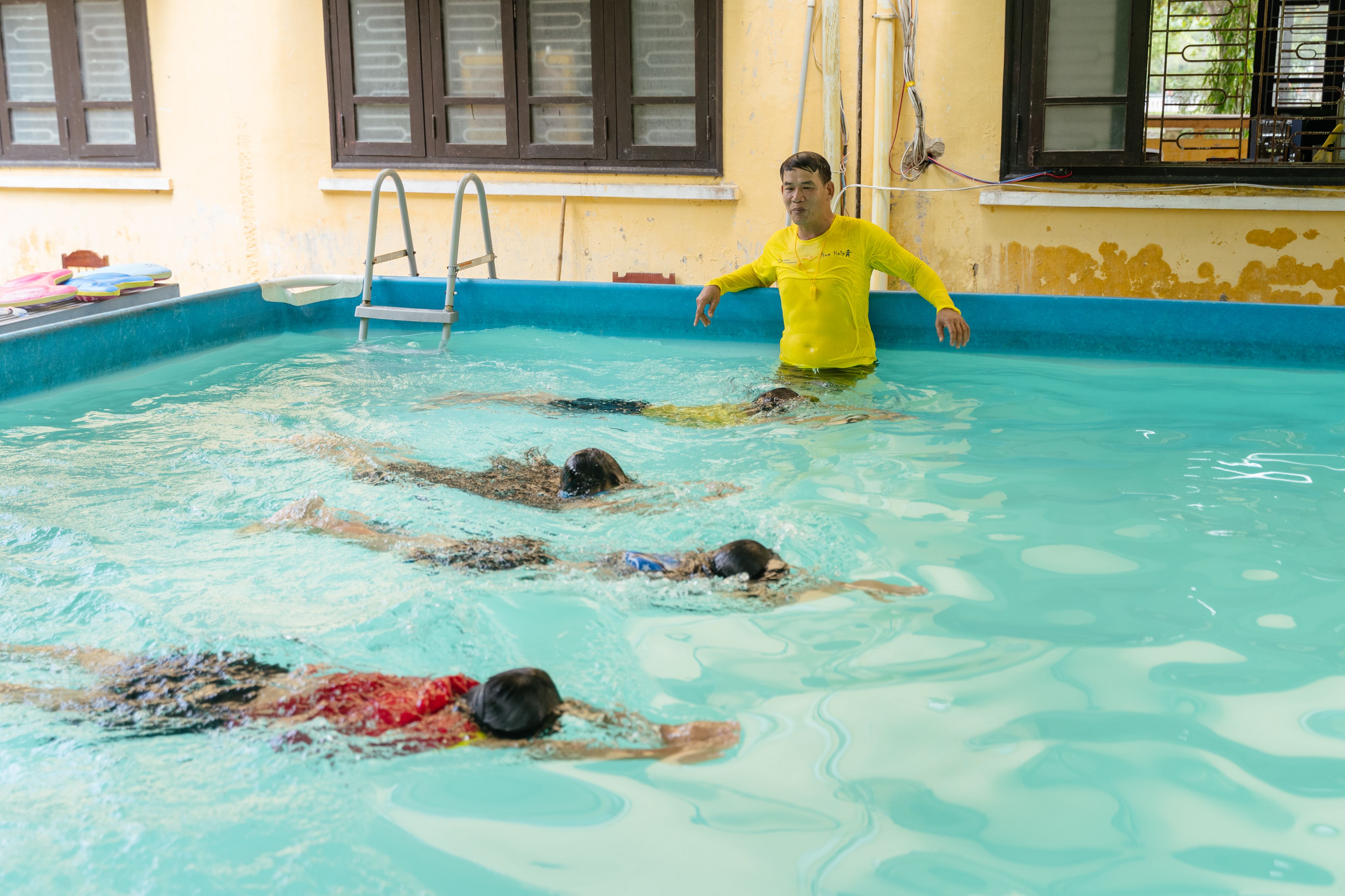
Drowning still remains one of the leading causes of death among Vietnamese children. Children aged five to 14 make up the highest number of victims, with many coming from disadvantaged households and the mortality rate among boys being twice that of girls.
However, Viet Nam only records drownings that result in death and leaves out non-fatal drownings, and so long-term impacts such as neurological damage and disability are difficult to assess.
According to Dinh Anh Tuan, Head of the Administration of Maternal and Children’s Affairs under the Ministry of Health, said drowning is a serious risk but preventable with targeted interventions and community involvement, adding that the Ministry launched a national campaign in July, 2025 to engage authorities, parents and the general public in preventing child drownings, with the campaign focusing on water safety education and improving safe swimming programmes in schools and communities.
However, according to, after international donors withdrew, Viet Nam needs to soon have solutions to sustainably maintain those achievements and replicate good, effective models with its own internal resources.
The plan includes building a policy system, documenting interventions to incorporate safe swimming skills training programmes into the main/extracurricular education programmes on safe swimming and survival, and integrating lessons learned into the policy system in the coming time.
In fact, in recent years, a number of documents guiding drowning prevention for children have been issued, such as: Decision No.1248/QD-TTg, dated July 19, 2021, of the Prime Minister on approving the Programme on prevention and control of child accidents and injuries for the 2021–2030 period; inter-sectoral plan on child drowning prevention for the 2022–2030 period (Plan No.411/KHLN-TE-MT-ATGT-C07-TCTDTT-TCPCTT-HDĐTW-ĐCT-BXH dated July 25, 2022)...
Along with equipping children with drowning prevention skills, raising awareness across all of society also plays an extremely important role. In particular, communication work is considered the “key” to motivate communities to actively participate in preventing and combating drowning, especially for children.
Dang Hoa Nam, Vice President of the Viet Nam Association for the Protection of Children’s Rights, Former Director of the Department of Children, said that in addition to conveying essential information, the press and media also play a particularly important role in orienting public opinion and guiding actions.
Therefore, the media needs to focus on strongly spreading the message about the importance of protecting children from the drowning risk, considering this an essential part of ensuring children's right to live safely, he said, adding that messages such as “Preventing child drowning is ensuring children’s right to live” or “Drowning can be completely prevented, avoided, and reduced” should be widely disseminated.
Nam also emphasised the need for extensive communication about practical interventions such as: creating a safe environment for children, warning of dangerous areas, teaching swimming, equipping them with response skills, rescue and first aid, and strictly enforcing regulations on waterway traffic safety.
From practical experience, Nguyen Thi Phuong, a representative from Le Group of Companies shared that communication on the issue of drowning is not simple, because this is a sensitive content, requiring turning tragedy into a driving force for action, and the communication target is also very diverse, from children, parents, teachers to the government, the community...
Therefore, it is necessary to apply integrated communication, coordinate multiple channels, sectors, and audiences, with clear, specific messages, oriented humane content, exploiting stories with social impact, inspiring, combining data into the story instead of just listing facts...
Sharing the same view, Deputy Chief of Office of the Viet Nam Journalists Association Tran Hong Quan, said that in the digital age, it is necessary to make the most of new media platforms, typically social networks, to spread messages, reach more widely to the public, especially parents and children themselves, deploy and maintain diverse content on social media platforms regularly to convey messages related to drowning prevention…, contributing to forming a strong network to protect children.
Published: December 2025
Written by: Khanh Binh
 Built with Shorthand