





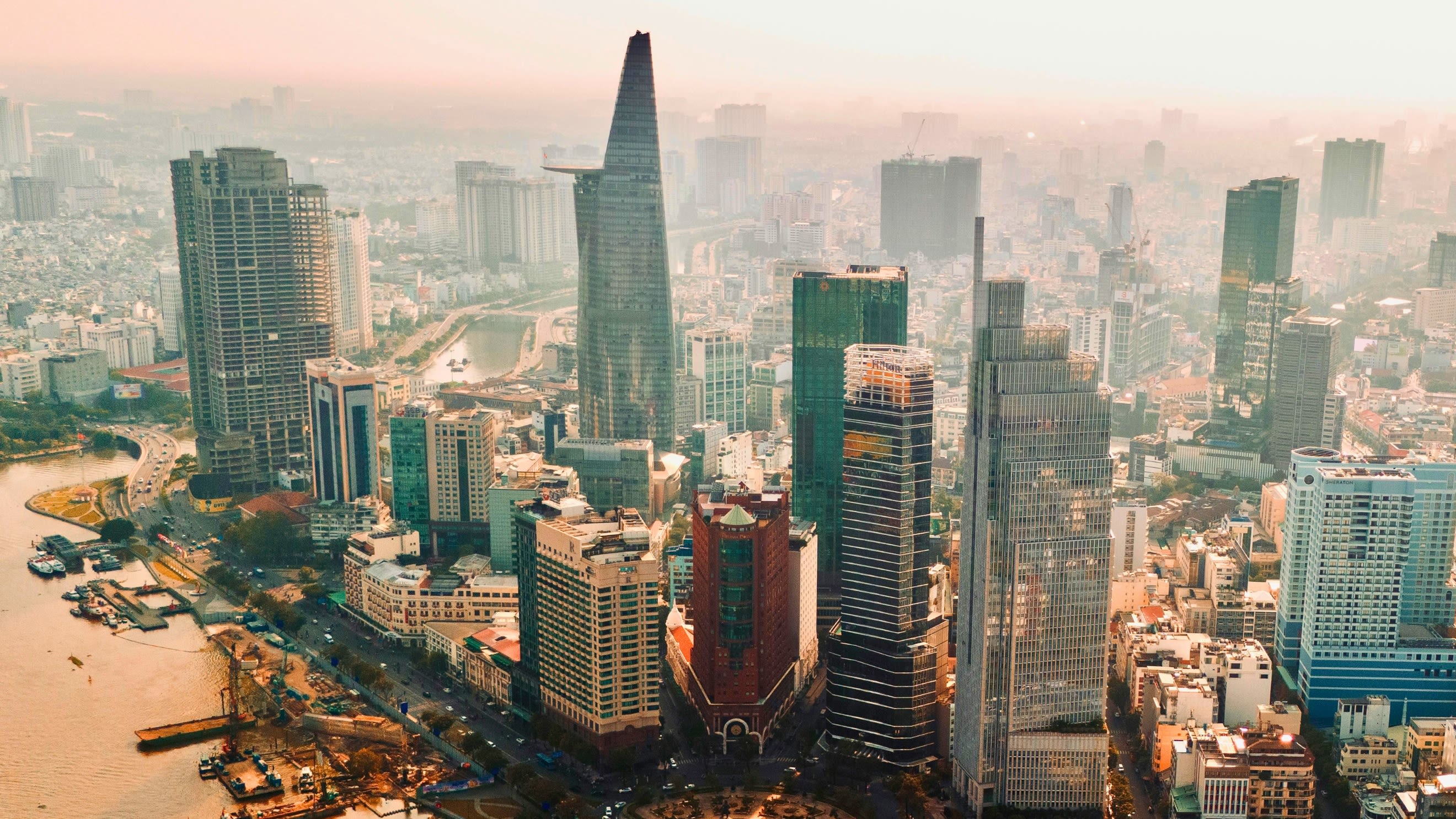
PEACE — THE FOUNDATION OF PROSPERITY
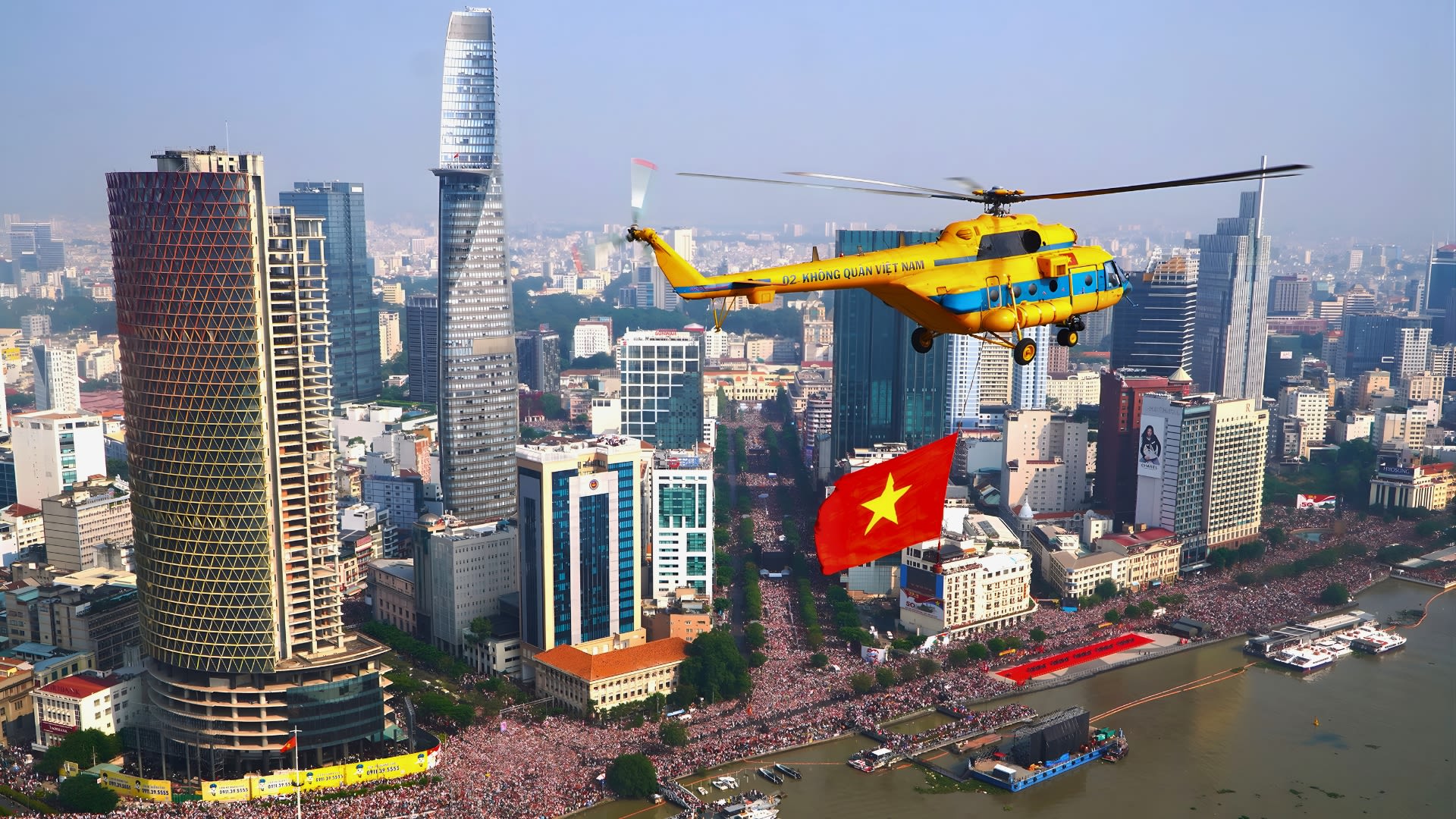
The victory of April 30, 1975, is more than half a century old, but every April, the memory of those days of national reunification still evokes deep emotion in the hearts of millions of Vietnamese people. It was not only a victory of will and courage, but also a moment when the entire nation reached its greatest and most humane aspiration: to live in a peaceful and reunified country.
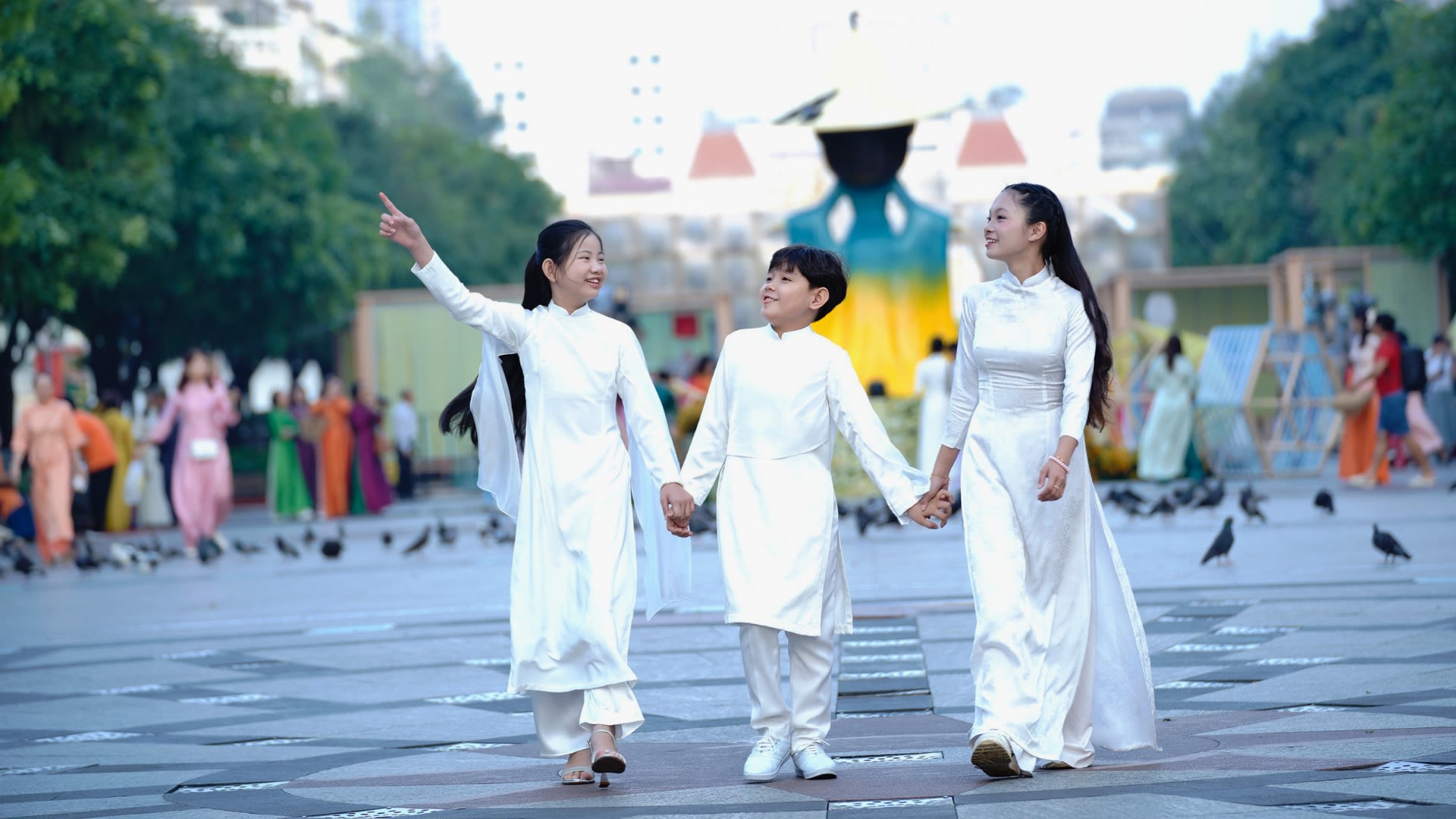
For many, peace today may be the simplest things: a peaceful morning on the street, the laughter of children echoing in the alleys, and the long lines of cars in the bustling rhythm of life without worry or loss. But to achieve those seemingly simple things, countless generations have paid the price with blood, tears, and even their entire lives.
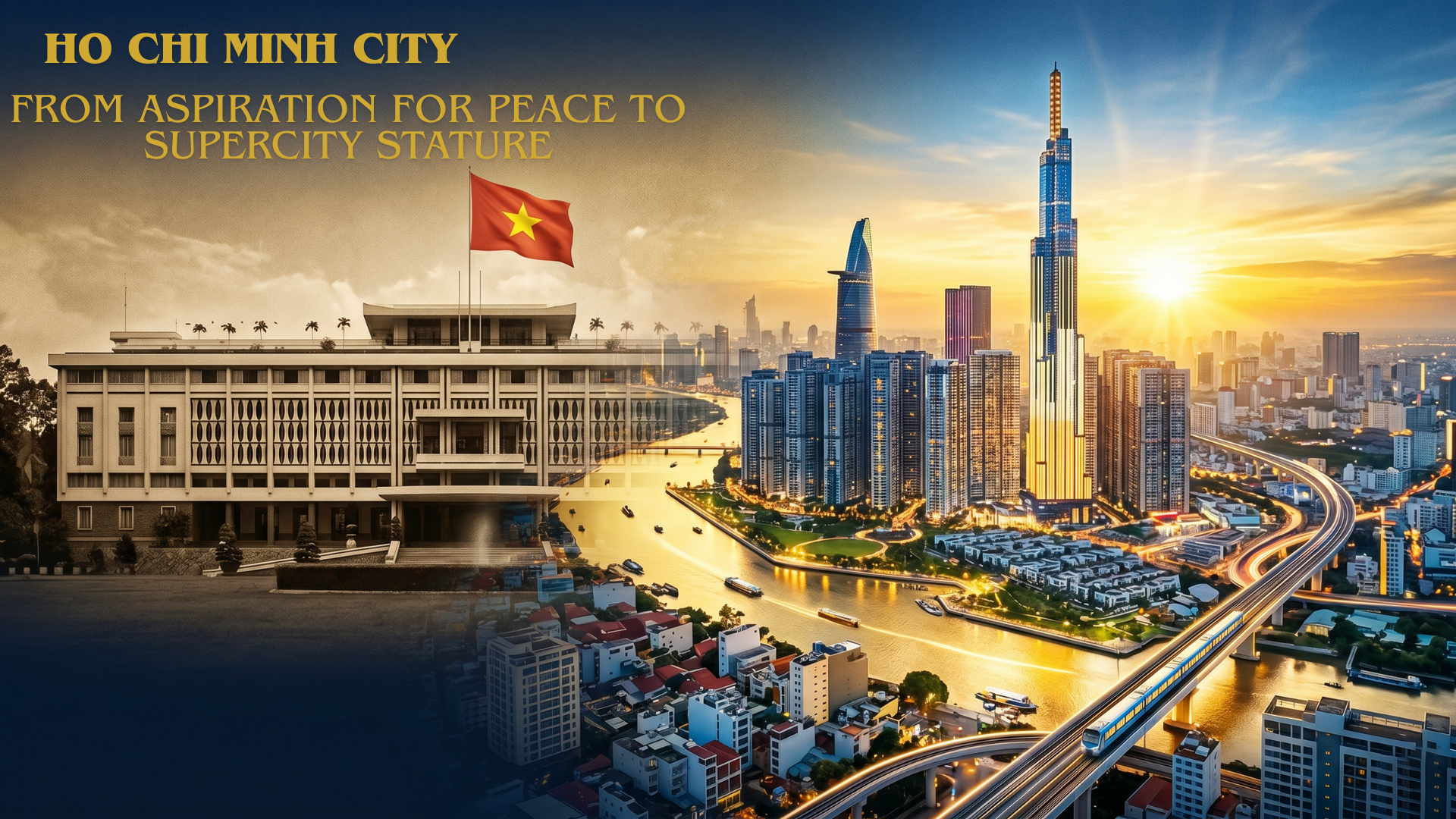
The city of Sai Gon–Gia Dinh, once the epicentre of war, after 50 years of being honoured with the name of the beloved President Ho Chi Minh, the value of peace is felt more deeply than ever. From those brutal days to the dynamic, modern city of today, every transformation of the city is a silent but powerful reminder: peace is not just the end of war, but the beginning of all aspirations for development, for the journey towards a prosperous and livable future.

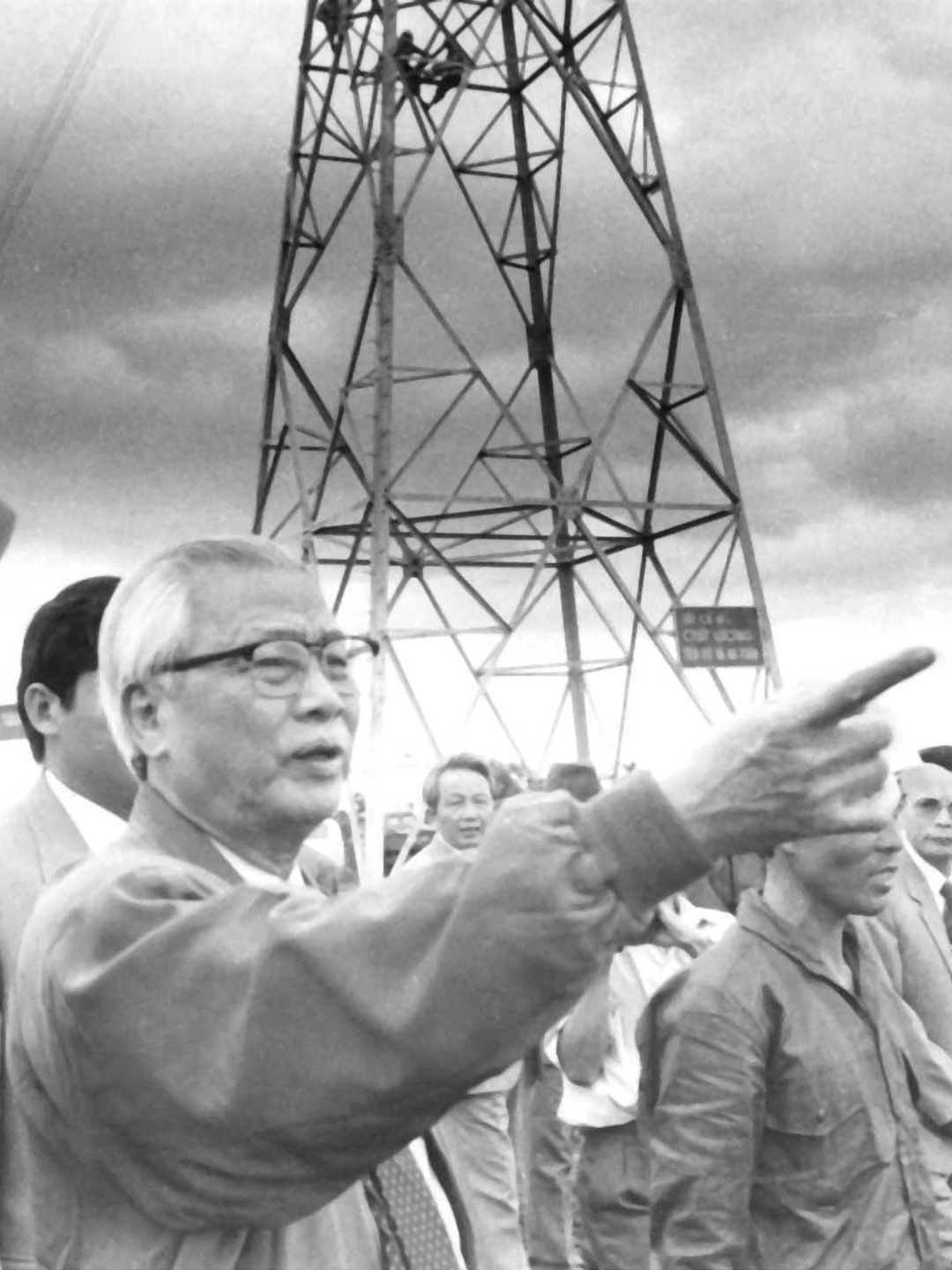
Prime Minister Vo Van Kiet is pictured on the day of completion of the 500KV North-South power transmission line in 1994. (Photo: Nguyen Cong Thanh)
Prime Minister Vo Van Kiet is pictured on the day of completion of the 500KV North-South power transmission line in 1994. (Photo: Nguyen Cong Thanh)
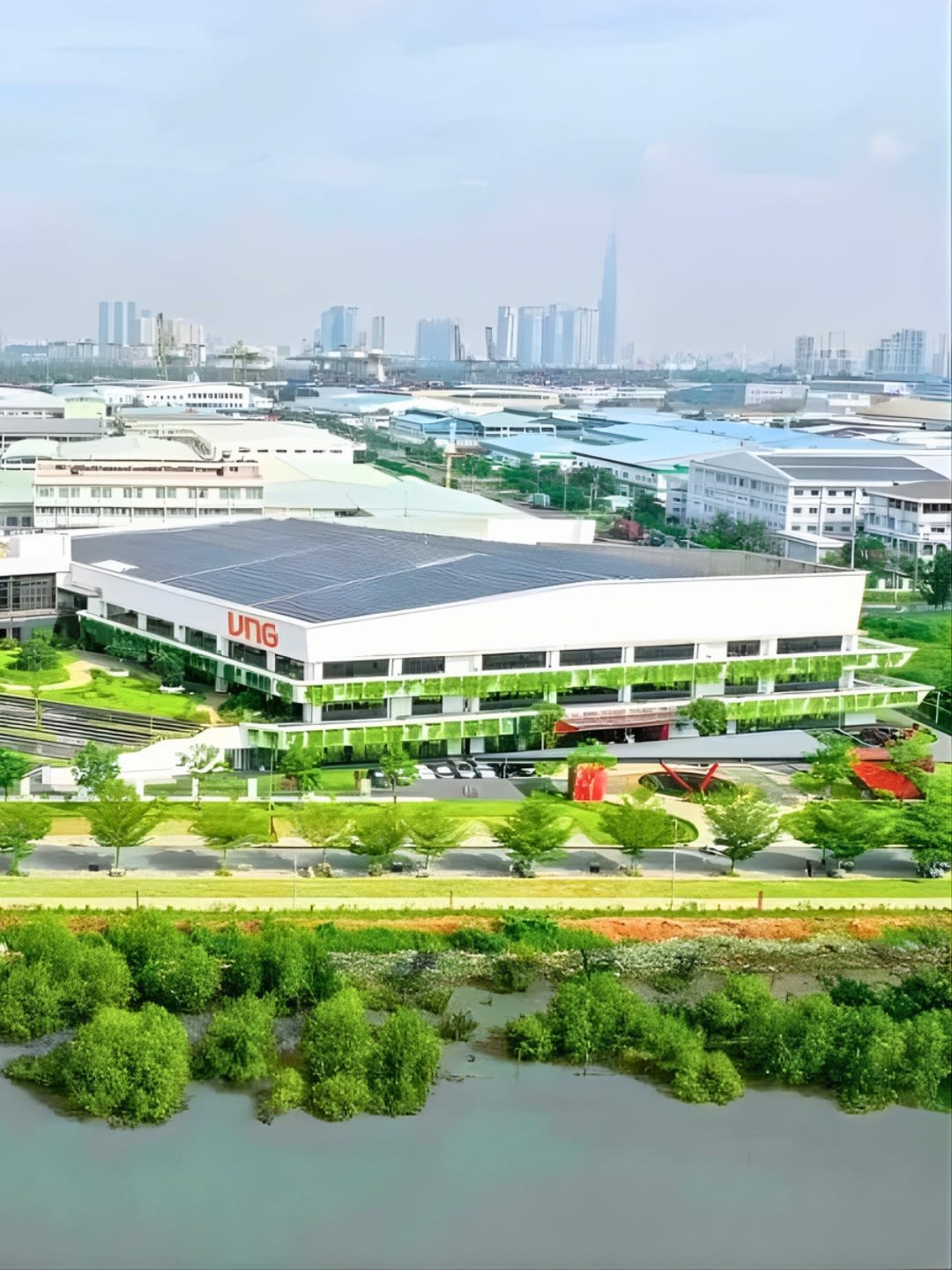
Tan Thuan Industrial Park.
Tan Thuan Industrial Park.
RISING FROM HARDSHIP
The revolutionary flag flew atop the Independence Palace at exactly 11:30 AM on April 30, 1975, marking the complete victory of the historic Ho Chi Minh Campaign and the reunification of the country. Ho Chi Minh City embarked on a journey of reconstruction.

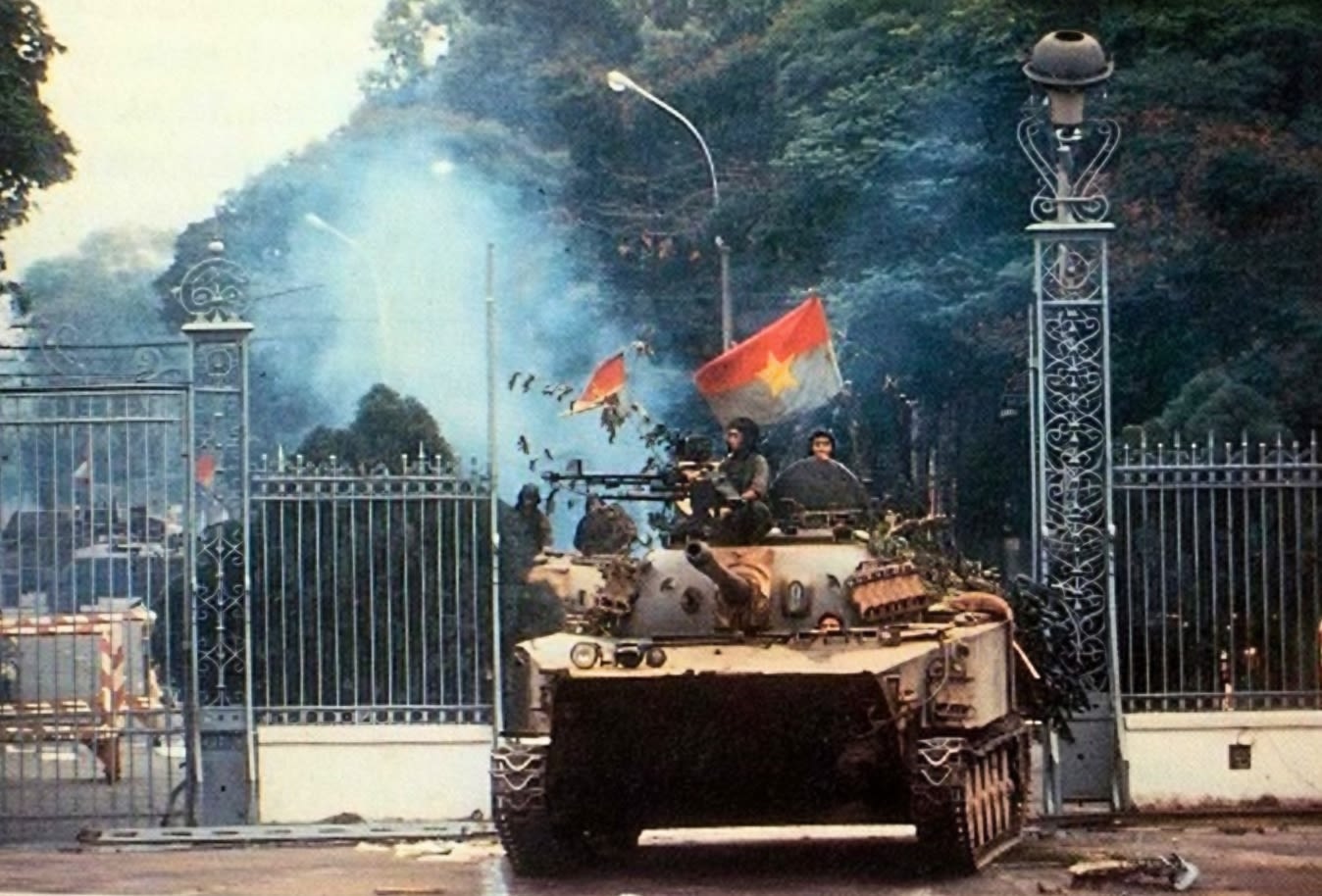
Liberation army tanks enter the Independence Palace at noon on April 30, 1975. (File Photo)
Liberation army tanks enter the Independence Palace at noon on April 30, 1975. (File Photo)
In the early years after liberation, Ho Chi Minh City faced countless difficulties. Production stagnated, the distribution system was broken, and people’s lives were severely deprived. Slums along canals and waterways, along with the heavy consequences of the war, created a chaotic urban landscape.

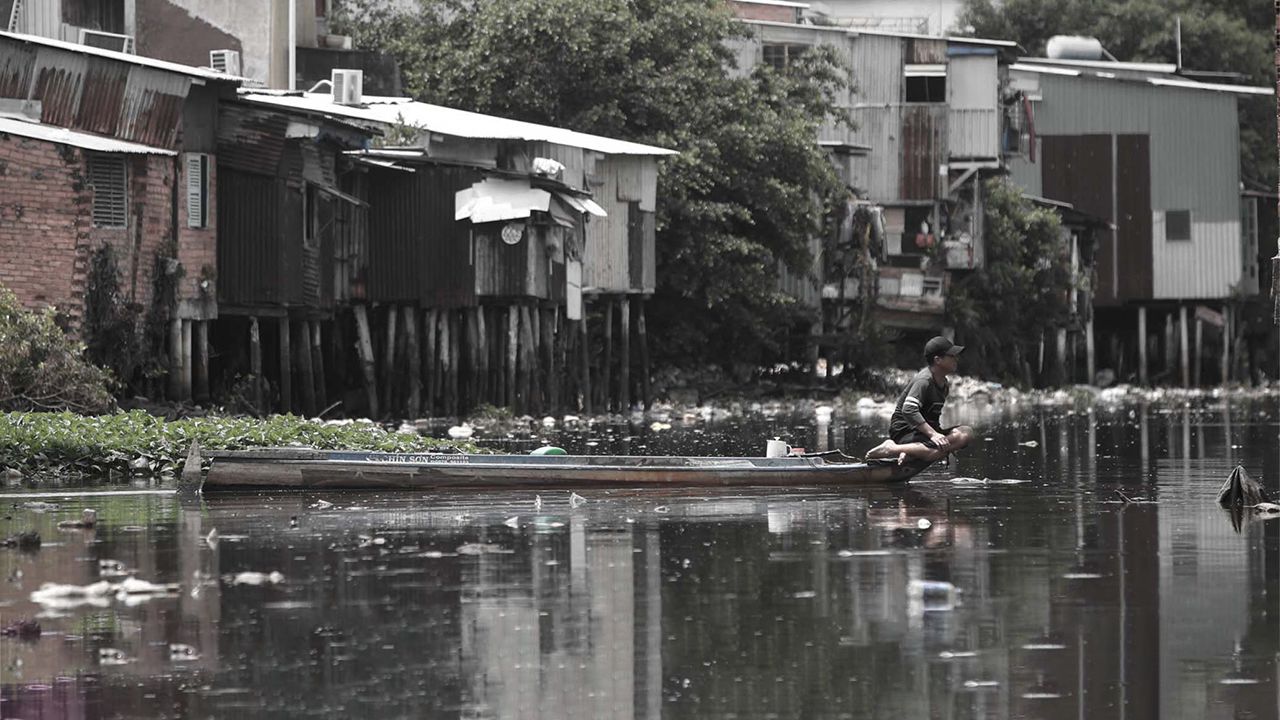
Slums line canals and waterways.
Slums line canals and waterways.
The period from 1976 to 1985 is considered a particularly difficult time when economic growth averaged only 2.7% per year. Inflation at times reached 740%, and people’s lives were plunged into prolonged hardship. People had to eat a mixture of potatoes, cassava, and corn, sometimes making up as much as 90% of their diet.

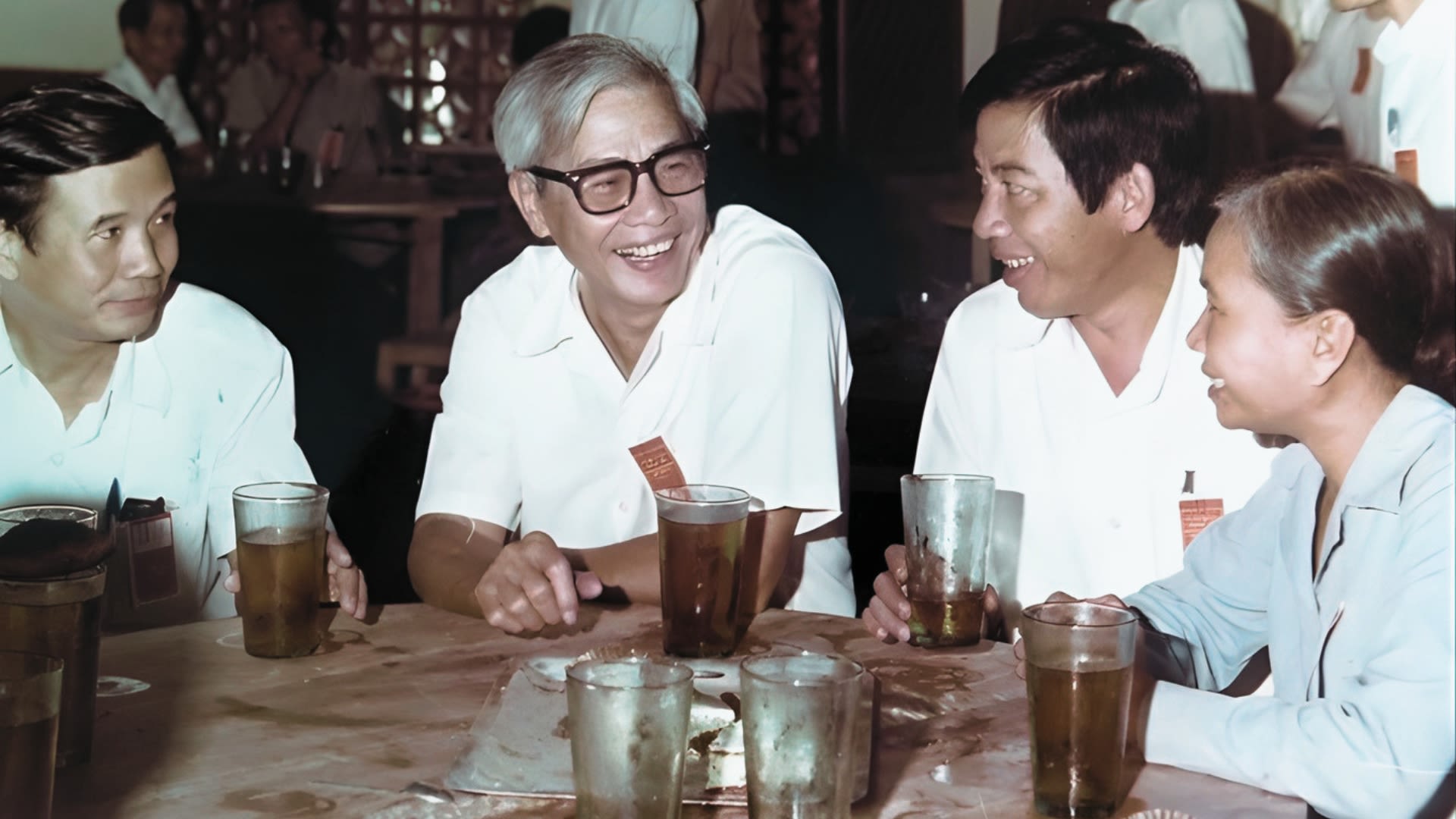
Vo Van Kiet visits the Thanh Cong Textile Factory while serving as the Secretary of the Ho Chi Minh City Party Committee. (File Photo)
Vo Van Kiet visits the Thanh Cong Textile Factory while serving as the Secretary of the Ho Chi Minh City Party Committee. (File Photo)
In that context, Ho Chi Minh City demonstrated a dynamic and creative spirit by boldly seeking new models. Initiatives such as “breaking the rules,” “two-price mechanism,” and “product-based contracting” not only helped overcome immediate difficulties but also contributed to the formation of innovative thinking in economic management.
When the Doi Moi (Renewal) process was launched nationwide in 1986, Ho Chi Minh City quickly emerged as a pioneer locality. A multi-sector economy took shape, the private sector was encouraged, and foreign investment surged strongly.
across periods
(1991–1995)
(1976–1985)
(latest)
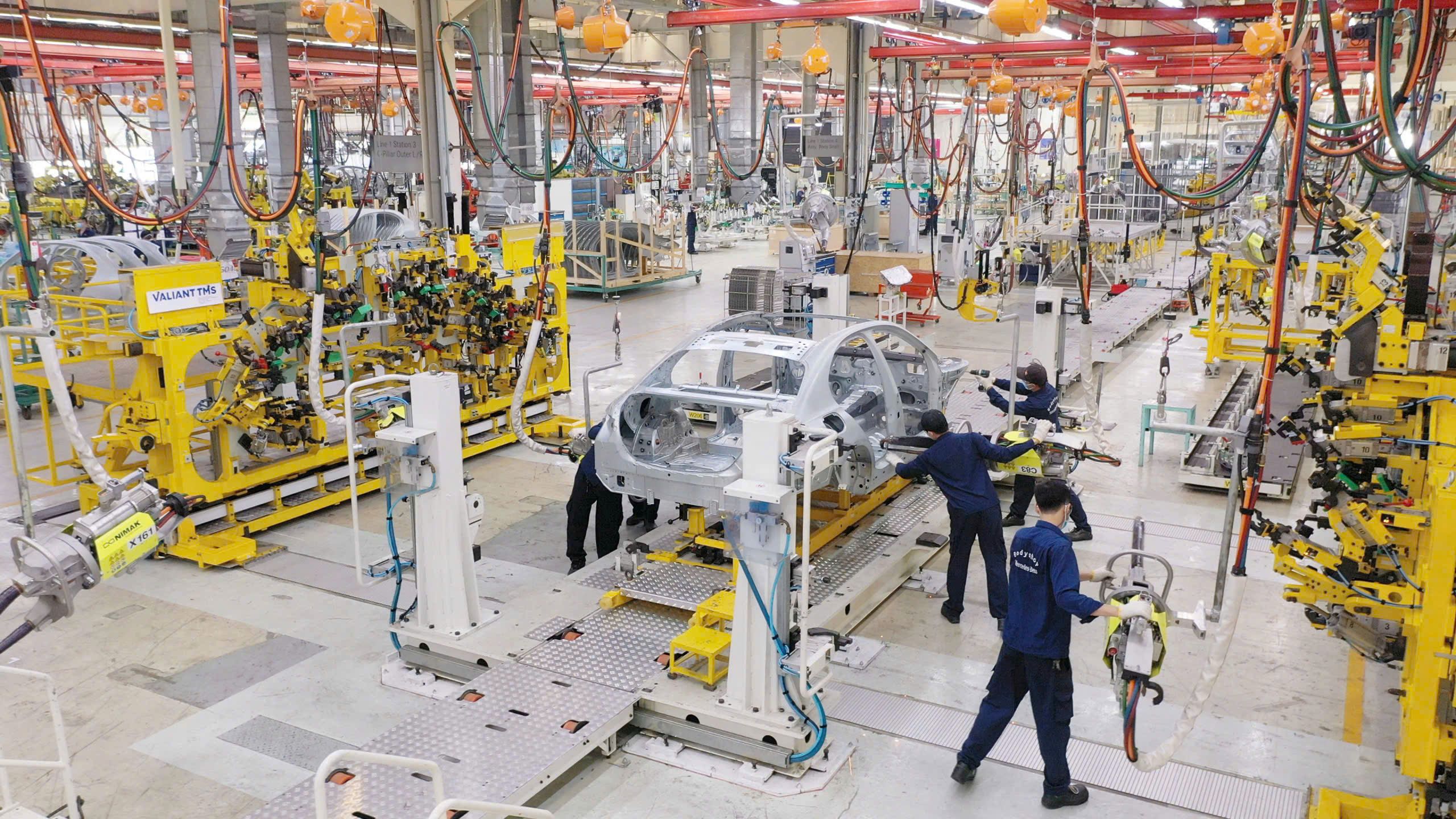
Export processing zones and industrial parks such as Tan Thuan, Linh Trung and Hiep Phuoc open up new directions for attracting capital and technology. The city has consistently maintained high growth rates across multiple periods, gradually affirming its role as the country’s economic locomotive.
AFFIRMING ROLE AS COUNTRY’S ECONOMIC LOCOMOTIVE
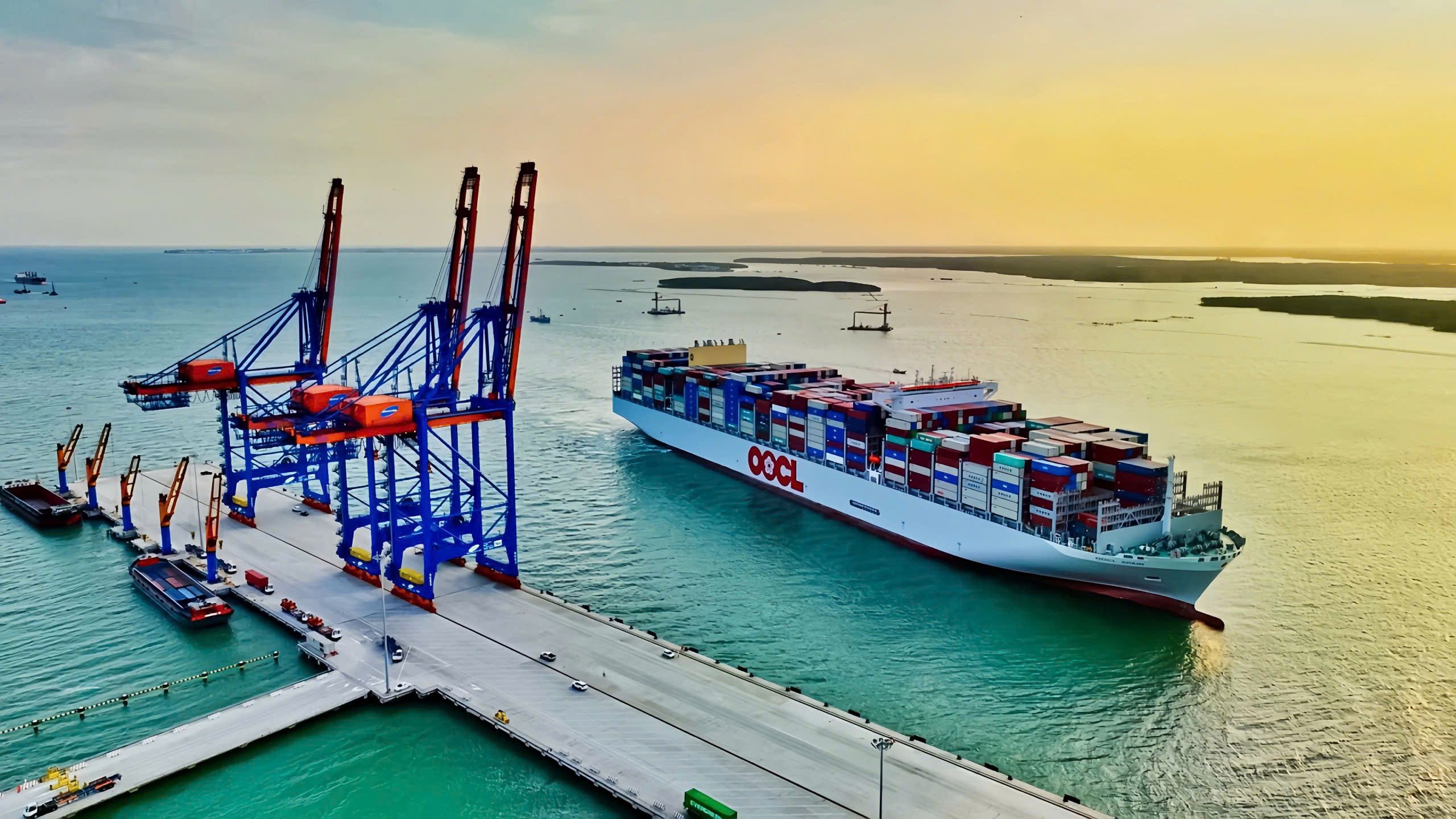
From an economy undergoing restructuring in the post-war period with many difficulties, through determination to innovate and a spirit of bold thinking and action, Ho Chi Minh City has risen to become the largest economic centre in the country. Following the expansion of its development space after administrative merger in 2025, the city now covers more than 6,772 km² and has a population exceeding 14 million.
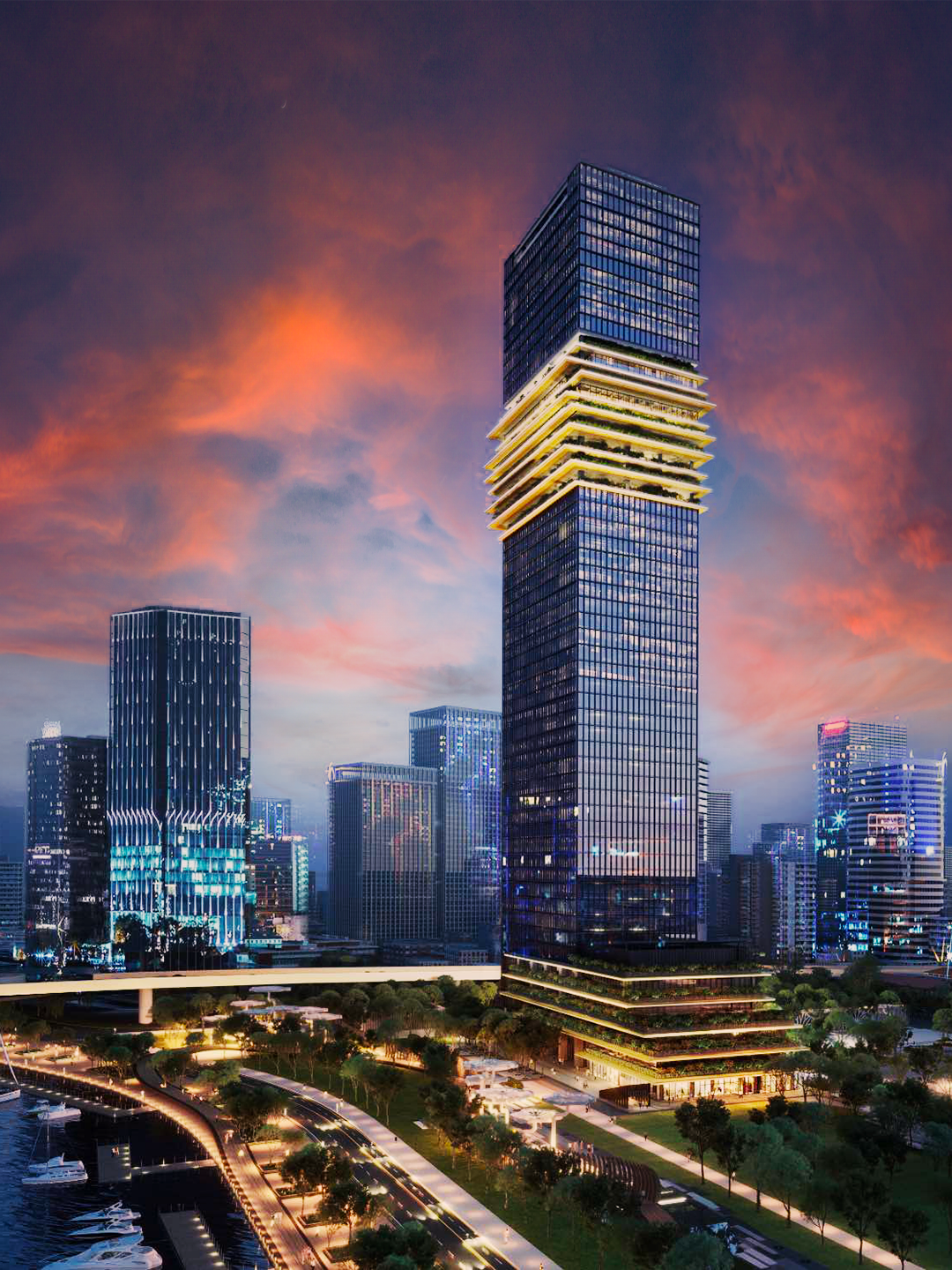
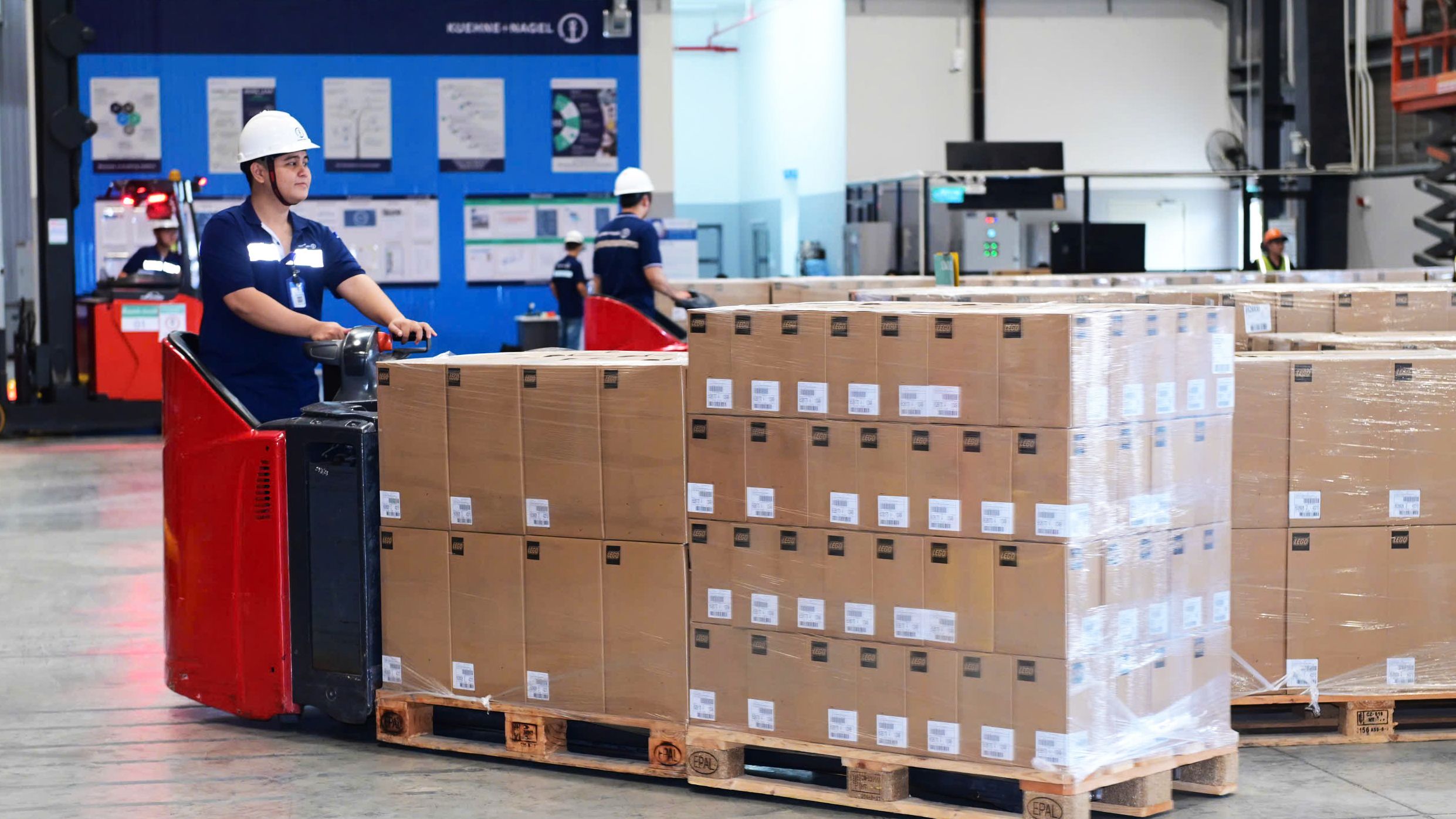
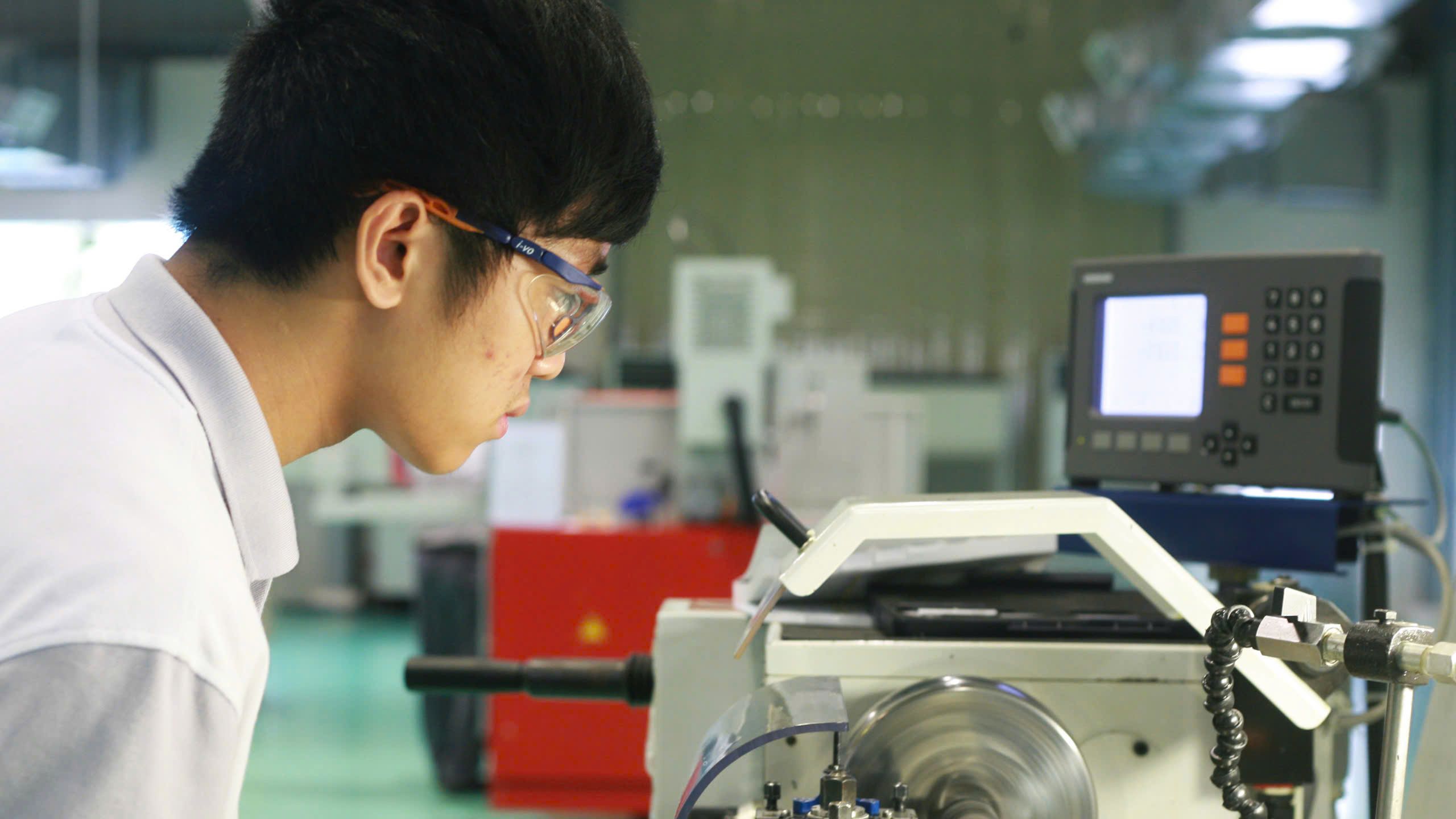
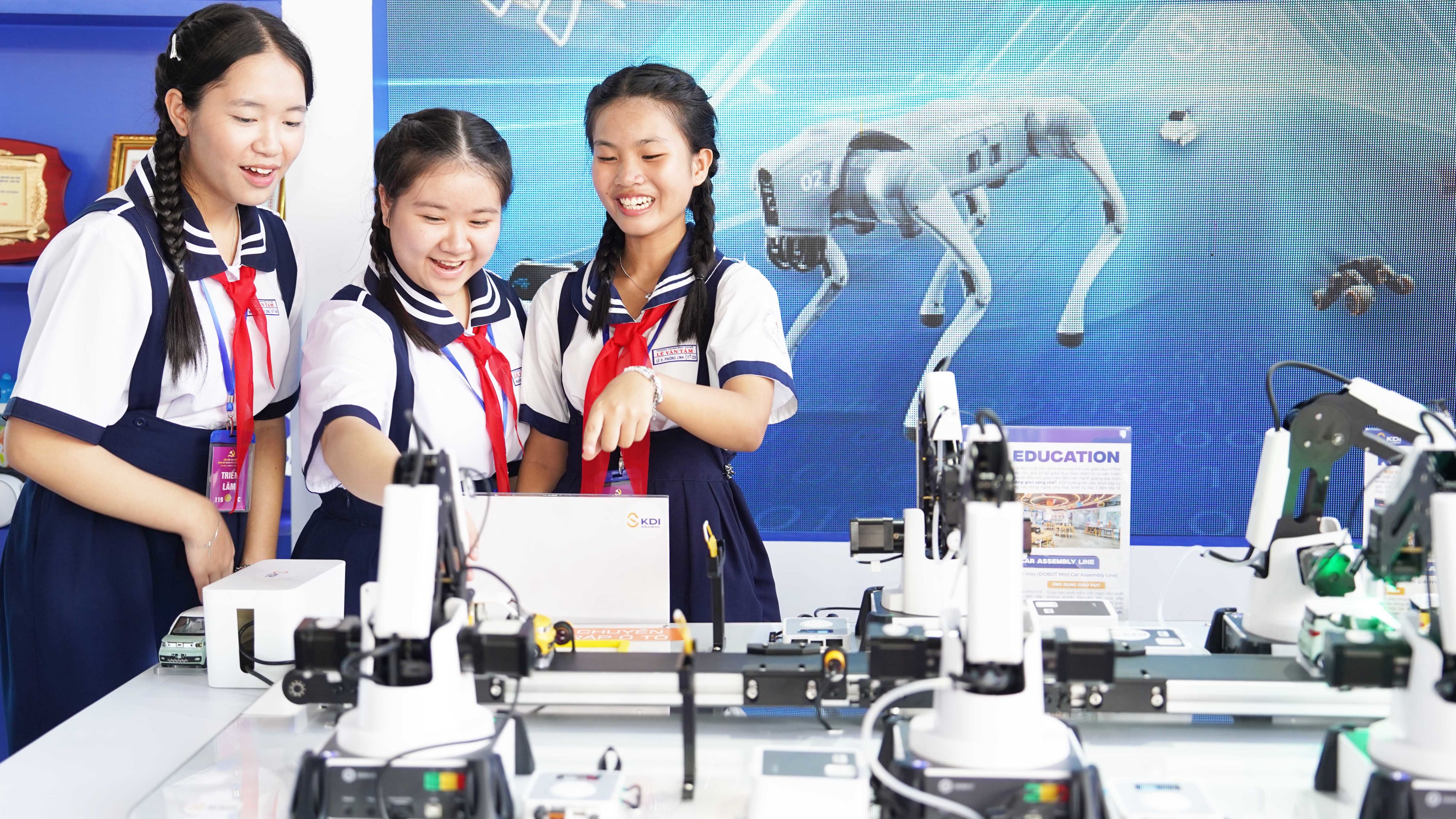
Currently, Ho Chi Minh City plays a central role in numerous fields, including finance, trade, science and technology, education and training, and innovation. Its economic scale continues to expand, making a significant contribution to the national budget.
Ho Chi Minh City in 2025
nationwide
in Ho Chi Minh City
The Viet Nam International Financial Centre (VIFC) located in Ho Chi Minh City.
The Viet Nam International Financial Centre (VIFC) located in Ho Chi Minh City.


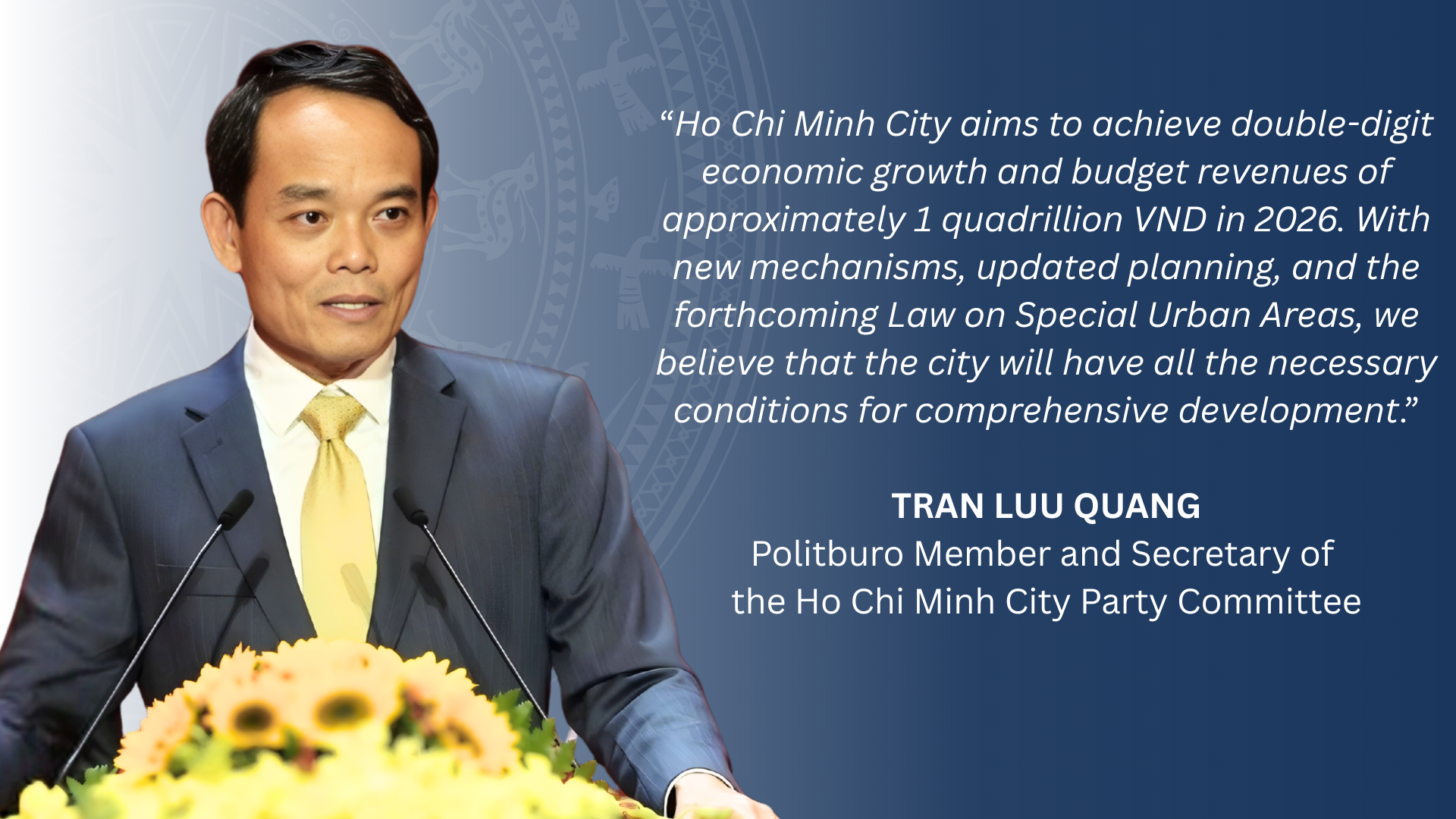
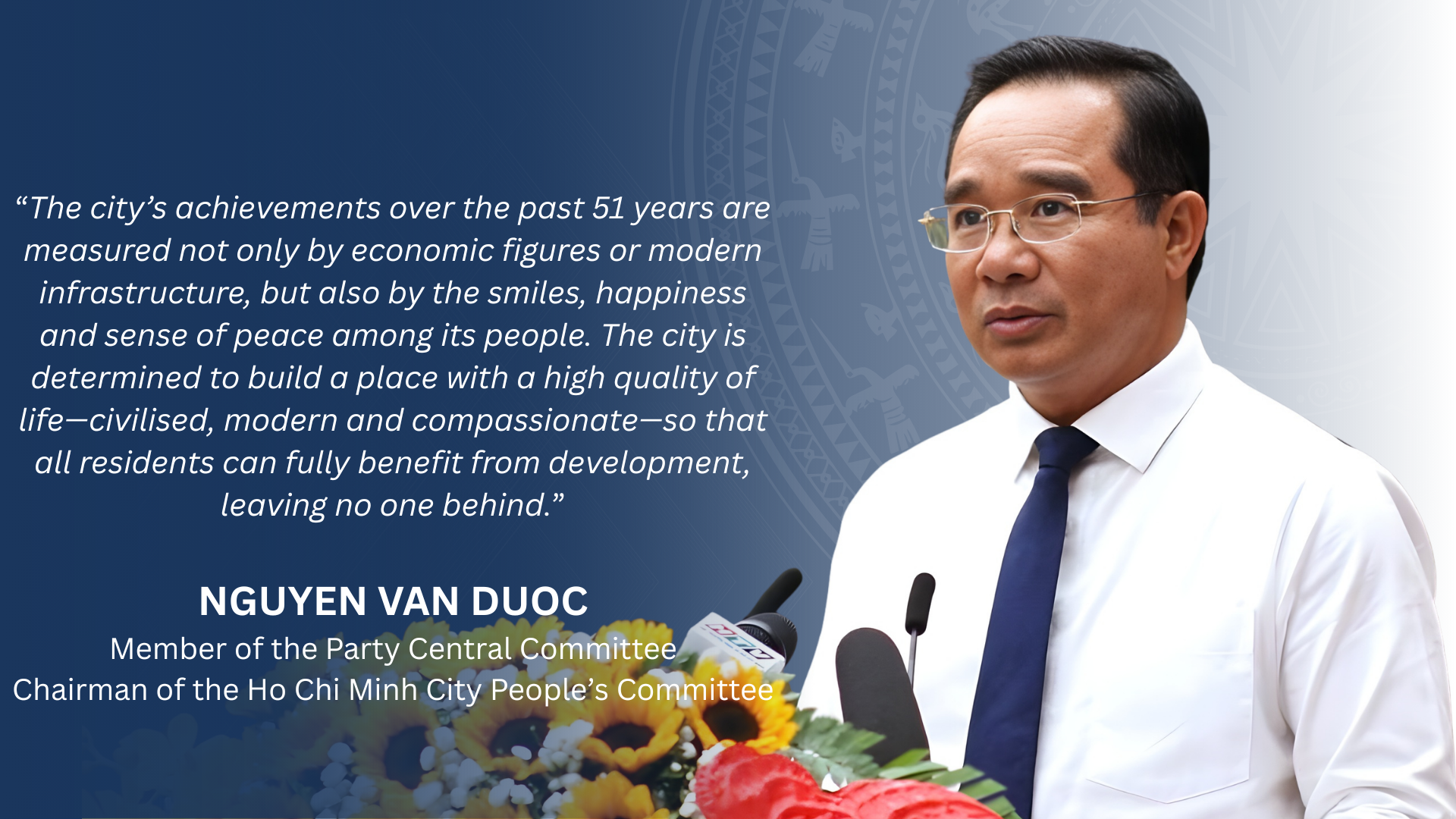
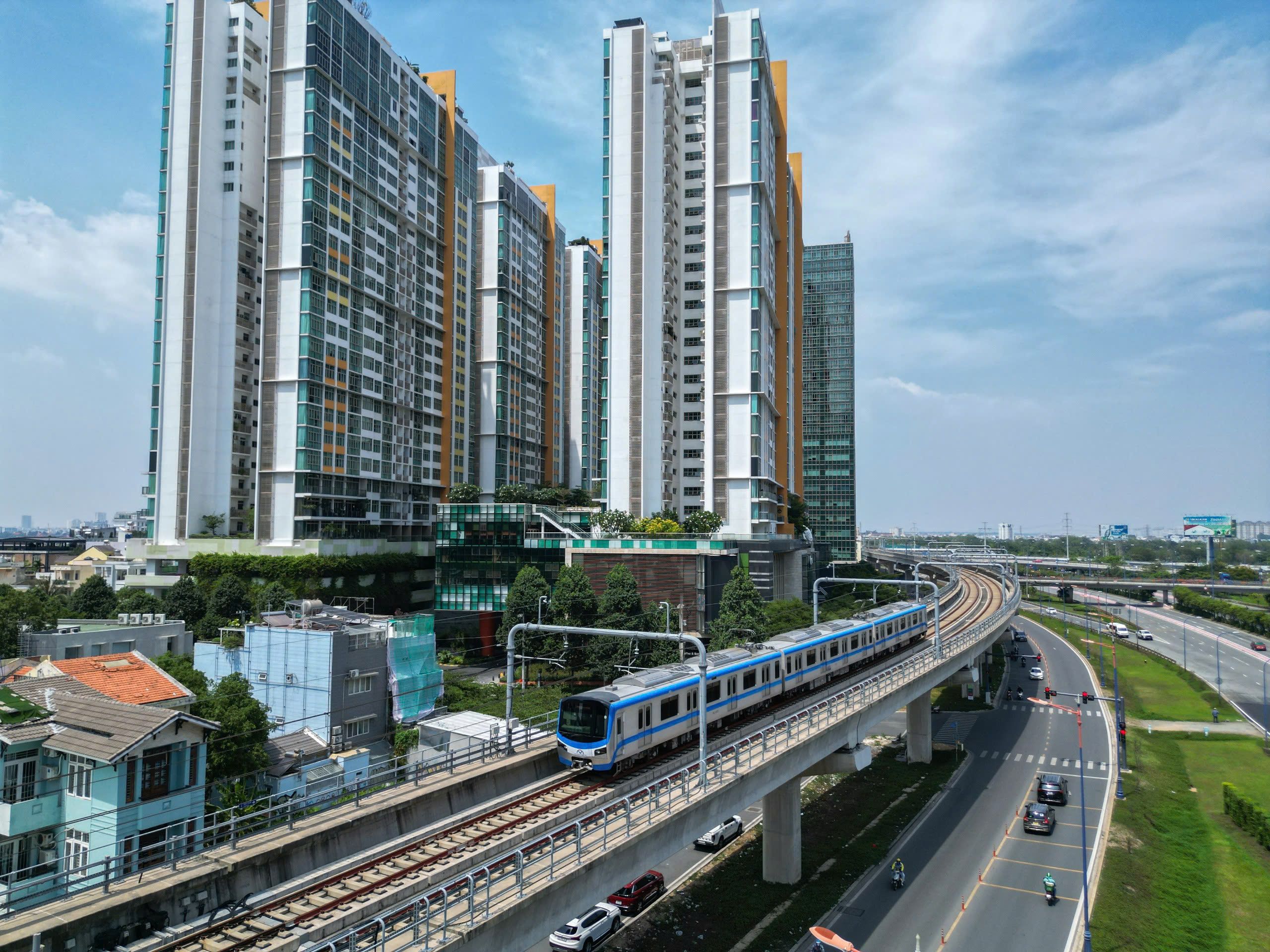
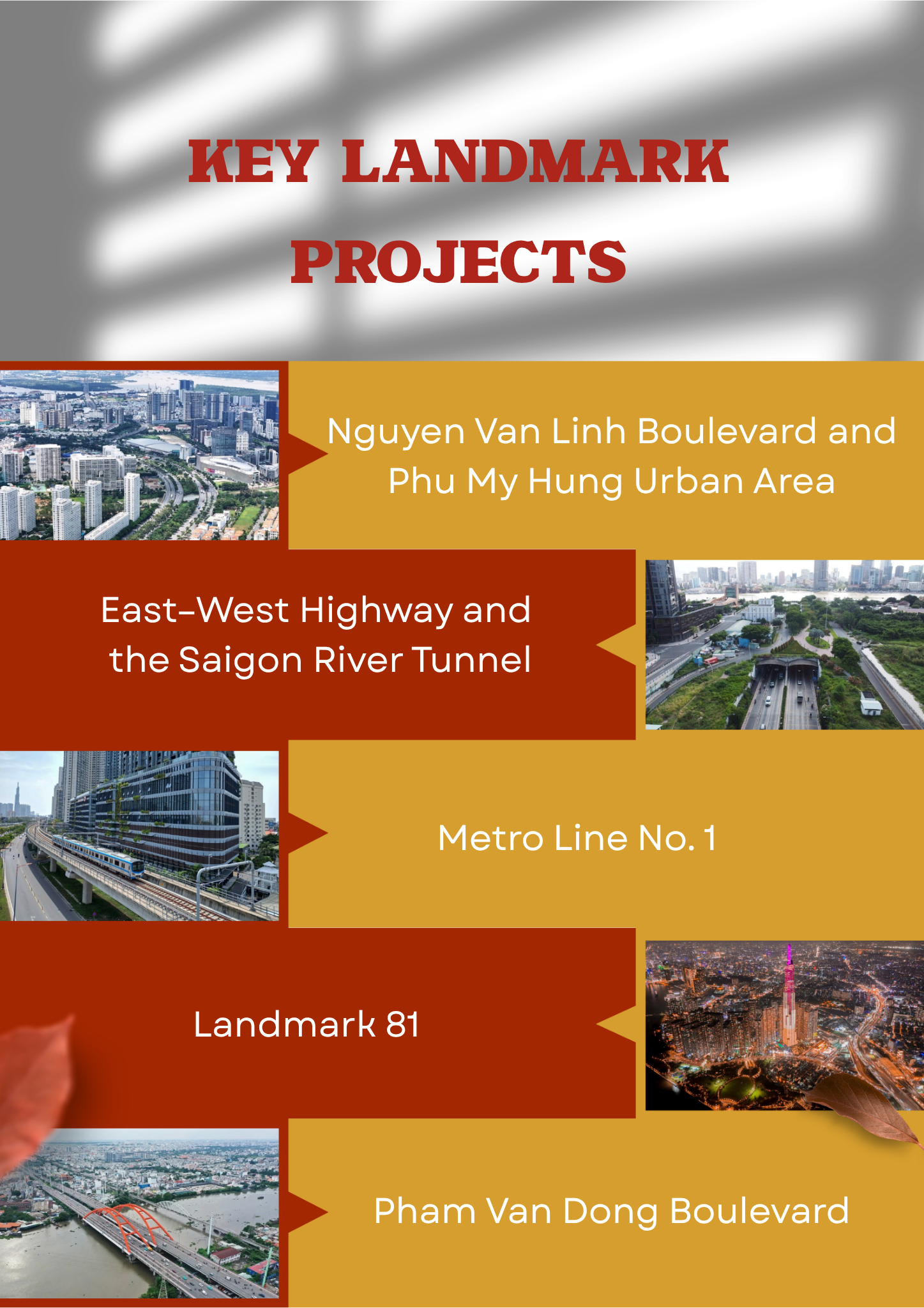
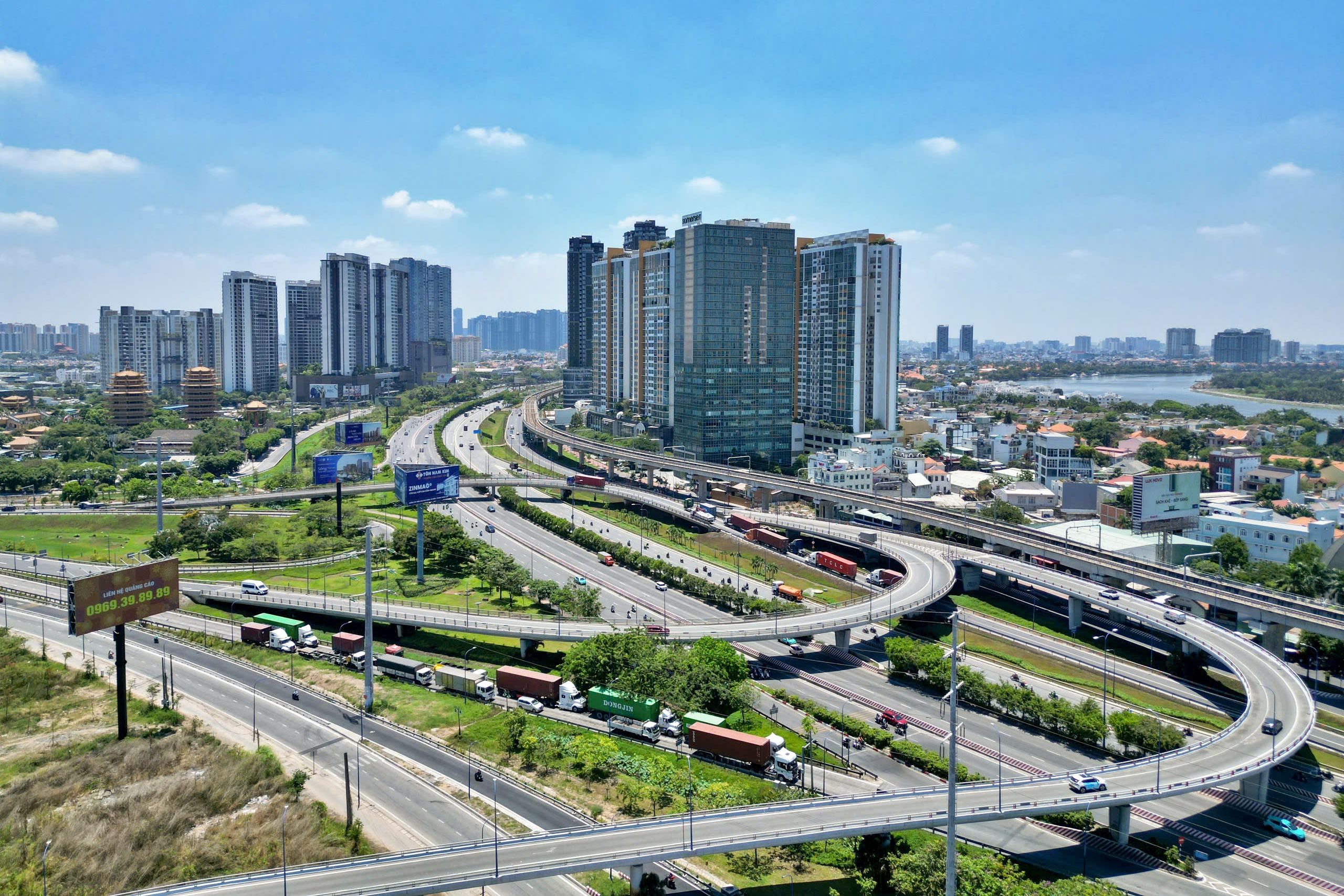
In 2026, Ho Chi Minh City aims to achieve double-digit growth while rolling out a series of major infrastructure projects, including Metro Line No. 2, the Can Gio Bridge, Phu My 2 Bridge and the Rach Chiec National Sports Complex.
INFRASTRUCTURE BREAKTHROUGHS AND URBAN RESTRUCTURING
In a short period since the beginning of 2026, the City has commenced and broken ground on a series of key infrastructure and transport projects. On the occasion of the 51st anniversary of the Liberation of the South and National Reunification (April 30, 1975 – April 30, 2026), the city launched several major projects:

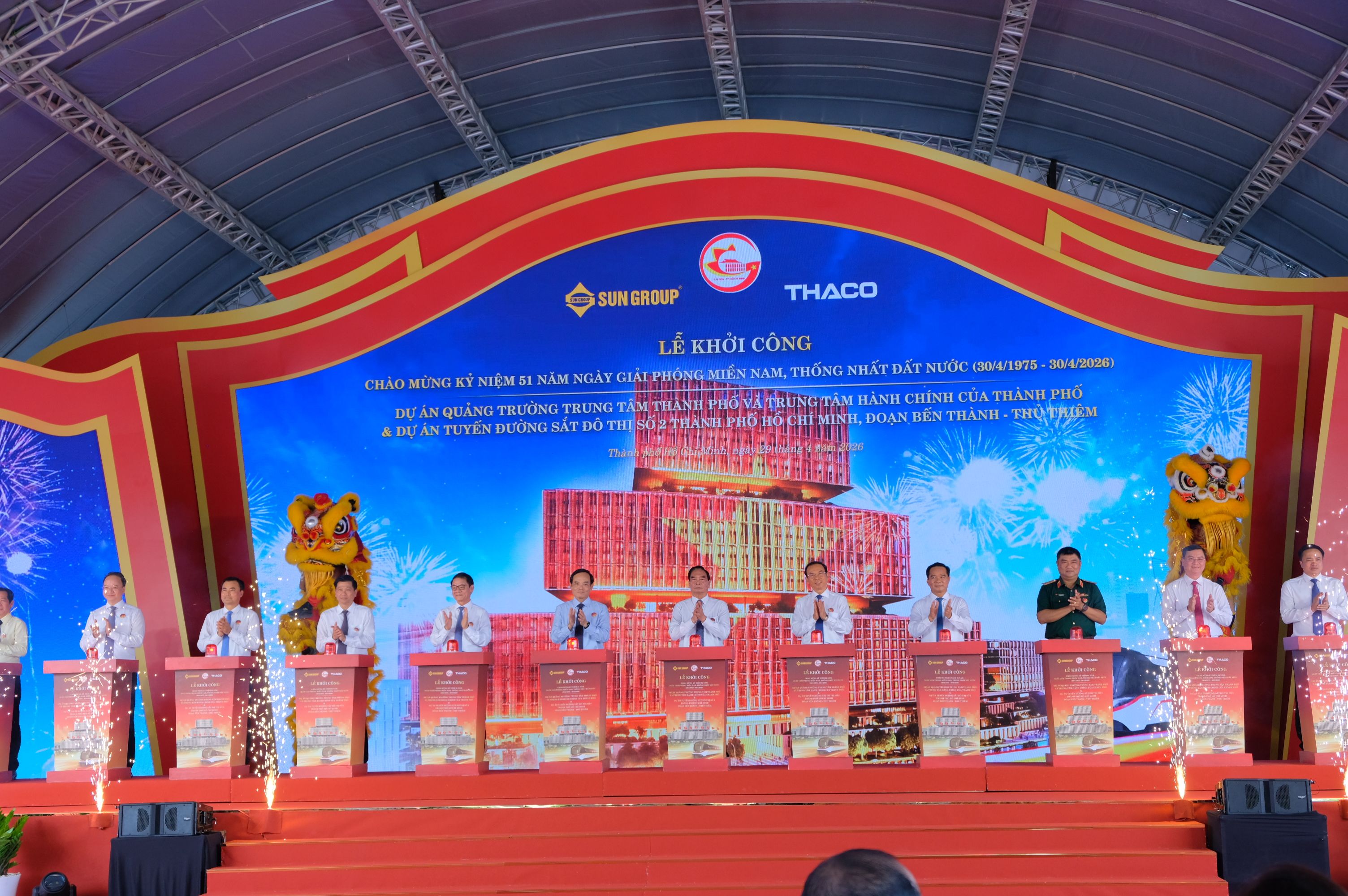
Ho Chi Minh City central square and administrative centre project, invested by Saigon Sun Investment and Development Co., Ltd. (Sun Group), with total capital of nearly 30 trillion VND, to be implemented from 2026 to 2028.

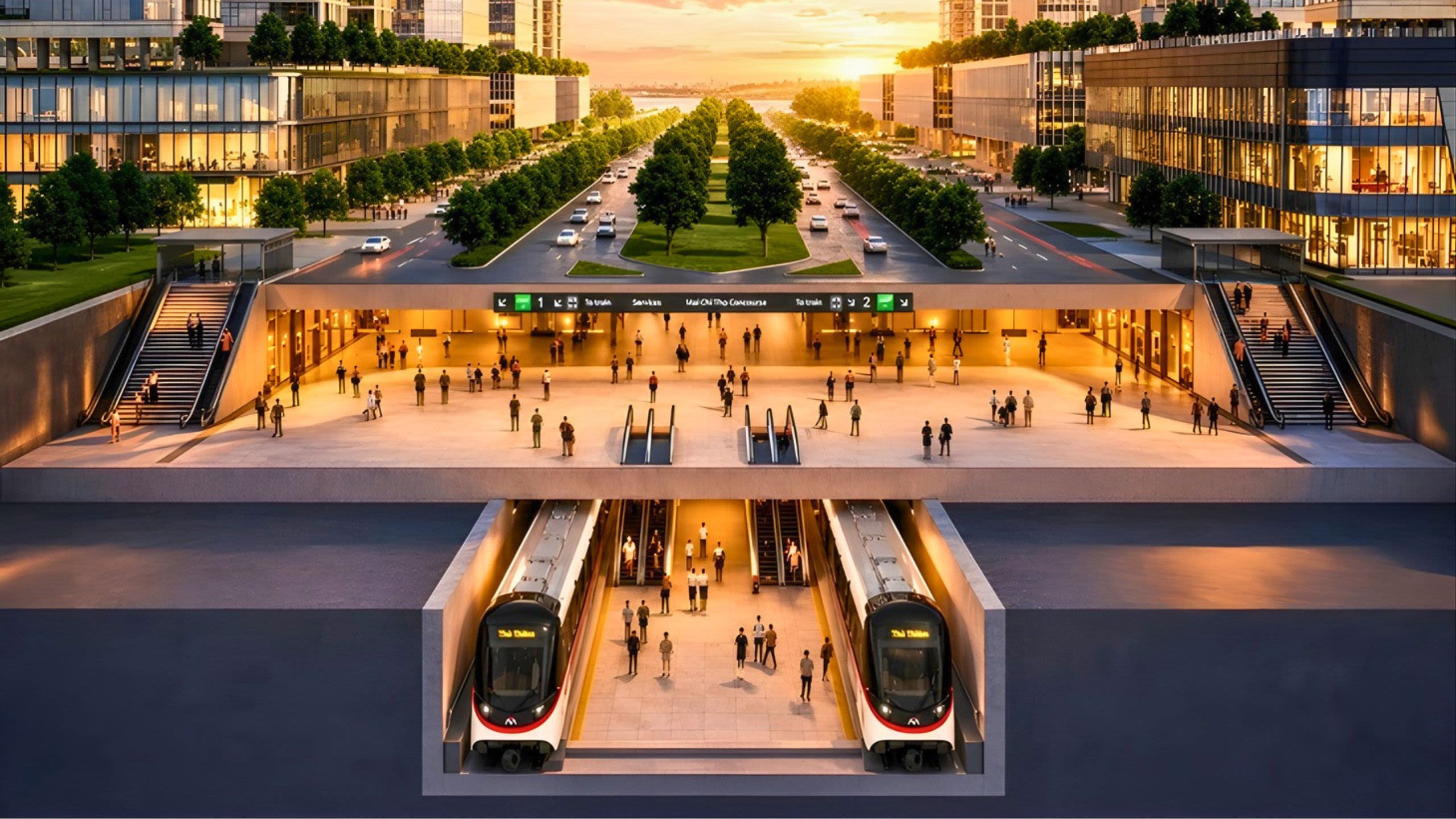
Metro Line No. 2 Project (Ben Thanh–Thu Thiem section), with total investment of nearly 46.3 trillion VND, developed by Dai Quang Minh Real Estate Investment JSC (THACO Group). The project is expected to be completed by 2030, connecting with the Thu Thiem–Long Thanh line.

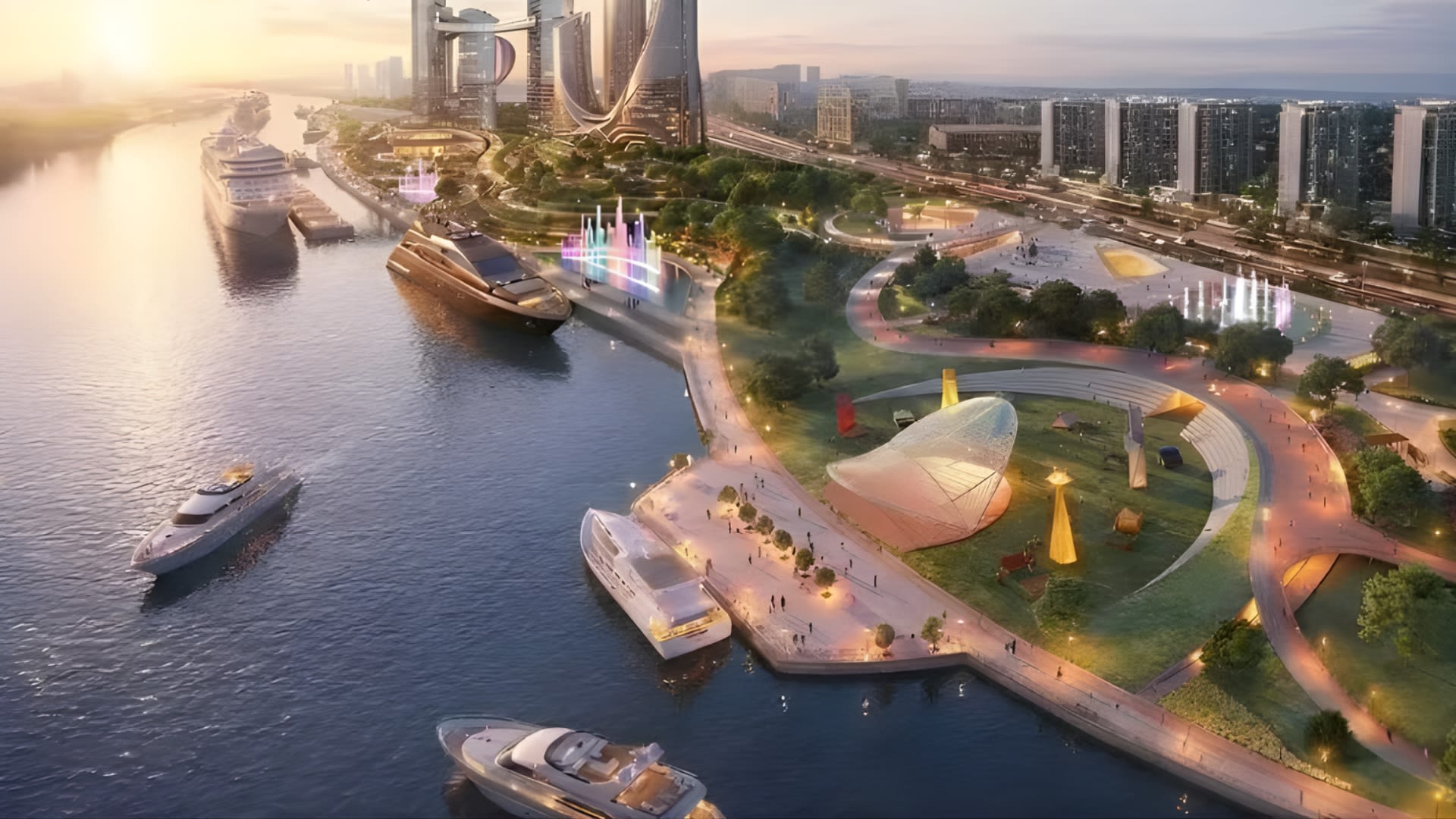
The development of the Nha Rong – Khanh Hoi port area and expansion of the Ho Chi Minh Museum's heritage area, implemented by Saigon Sun Investment and Development Co., Ltd. (Sun Group), with total investment exceeding 20 trillion VND.

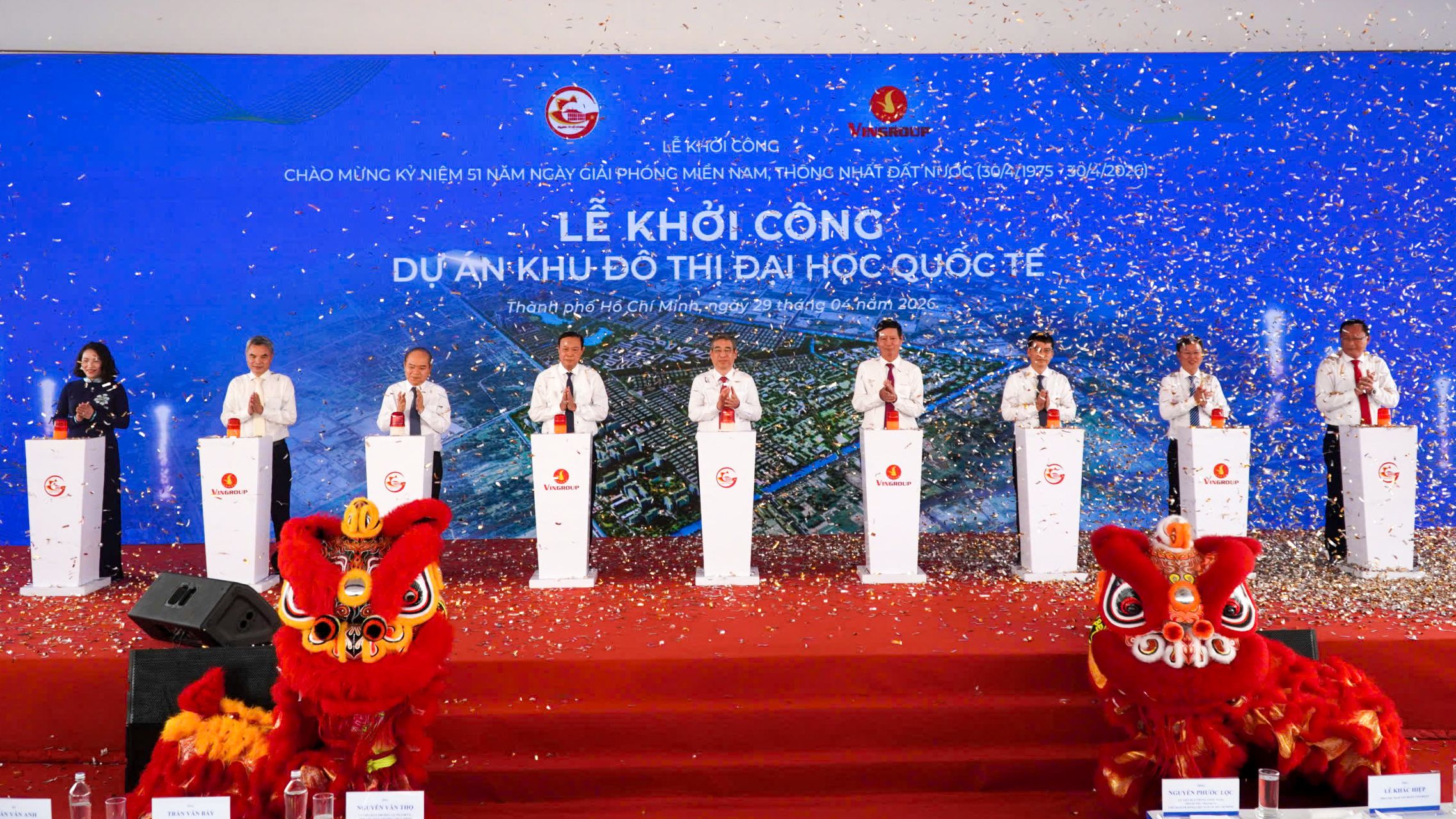
The international university urban area project in Xuan Thoi Son commune, developed by Berjaya Viet Nam International University Urban JSC (a member of Vingroup), with investment of 59 trillion VND, expected to become operational from early 2035.
These strategic projects demonstrate the commitment in action of the Party organisation, authorities and people of the City, affirming the determination and aspiration to build a civilised, modern and compassionate Ho Chi Minh City in a new era of development.
High-tech Park
Ho Chi Minh City
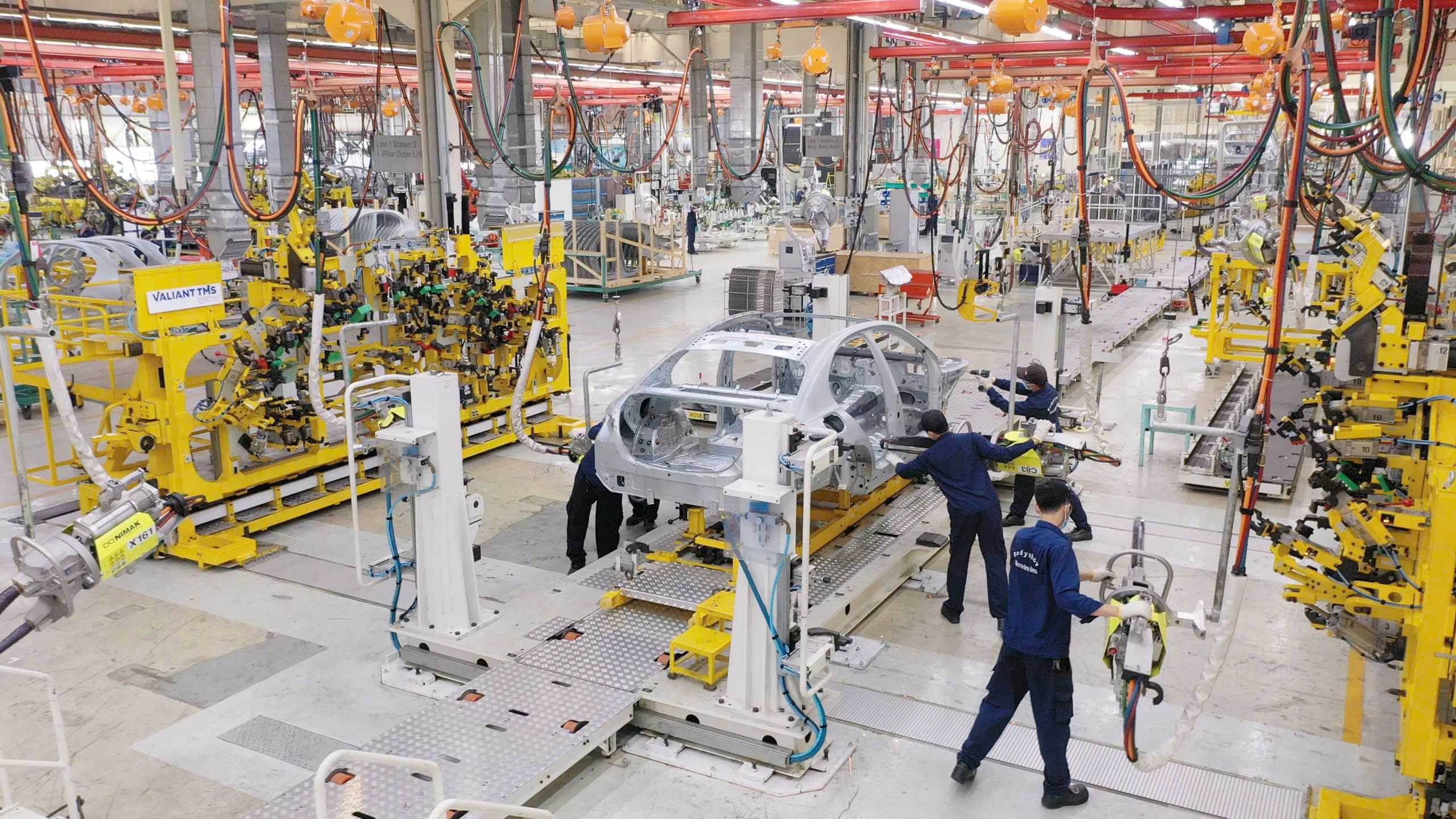
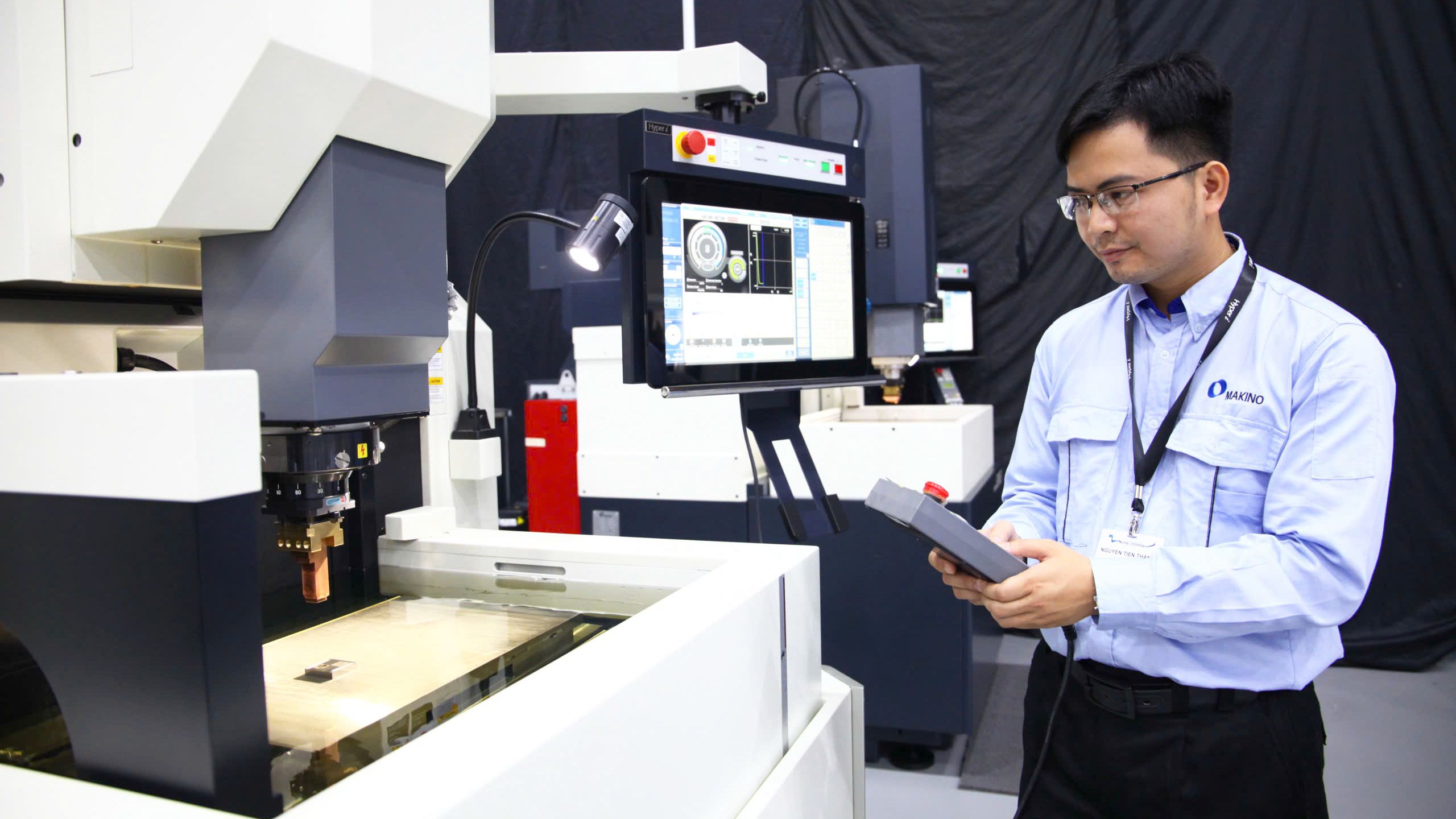
A driving force for the transition to a knowledge- and technology-based economy—one of Southeast Asia’s leading innovation hubs.
globally
the core of growth









A LIVEABLE CITY

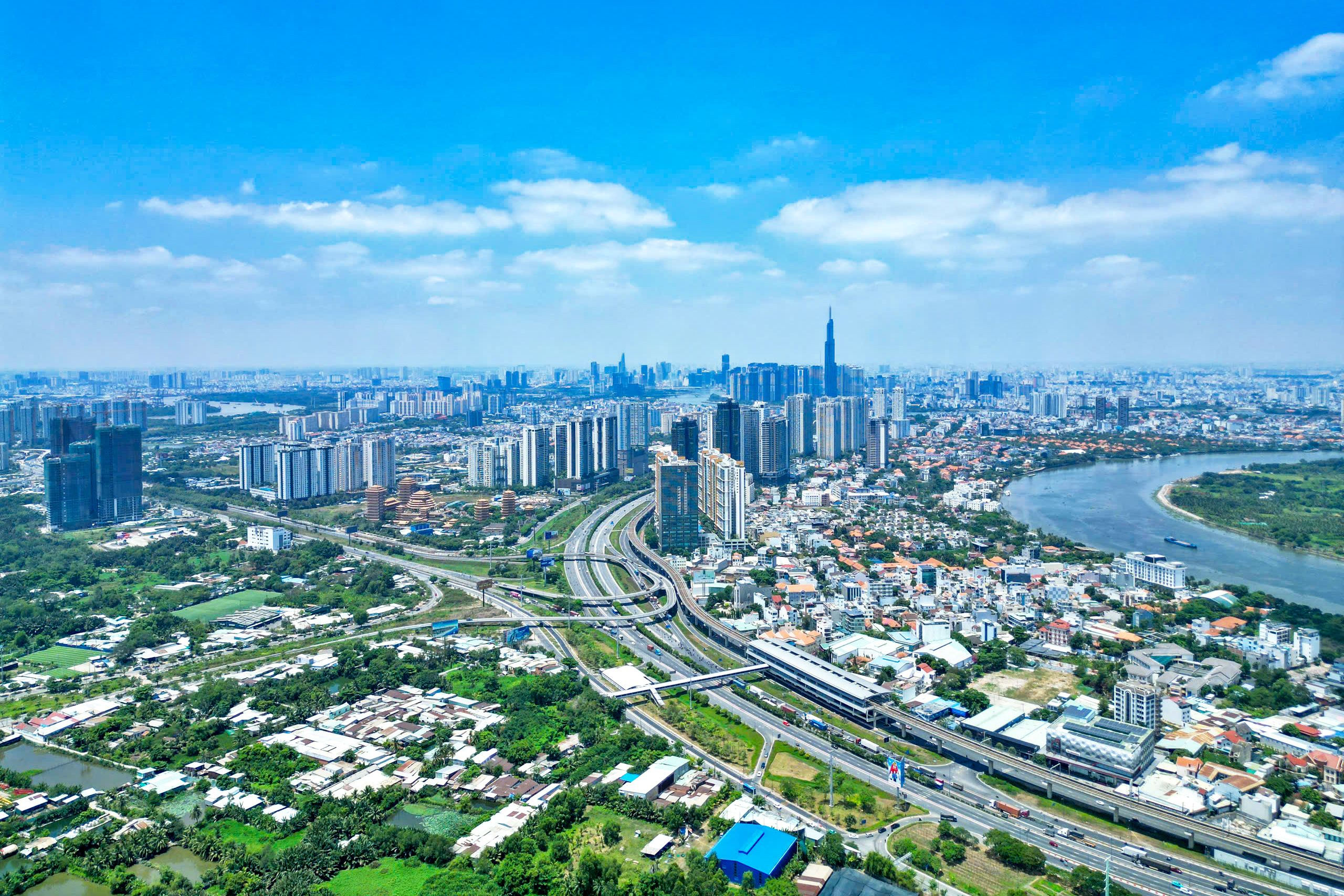
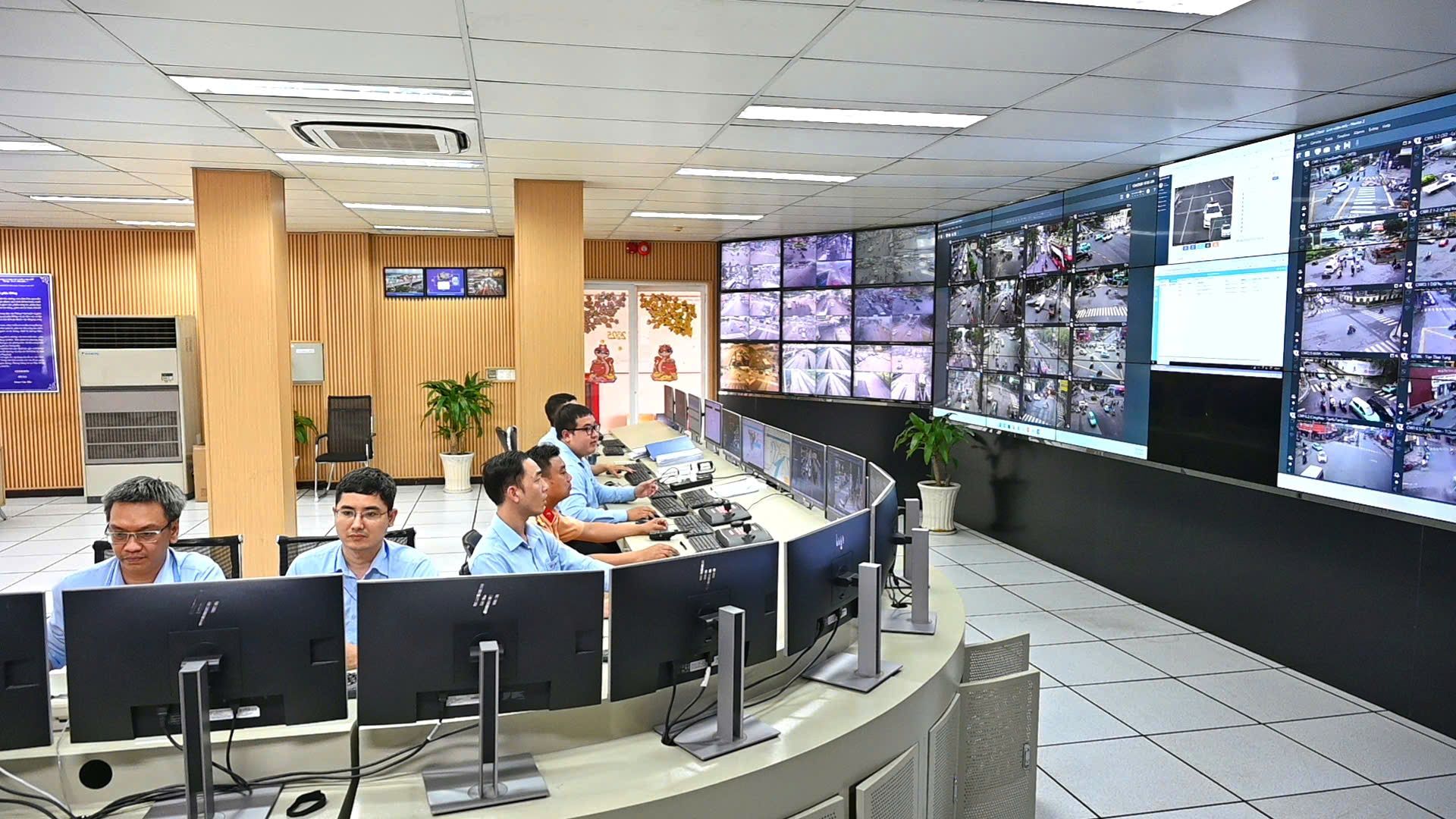
Beyond economic growth, Ho Chi Minh City also aims to build a liveable urban environment where residents are ensured safety, welfare, and comprehensive development opportunities. The city has become the first locality to eliminate poverty under the national standard.

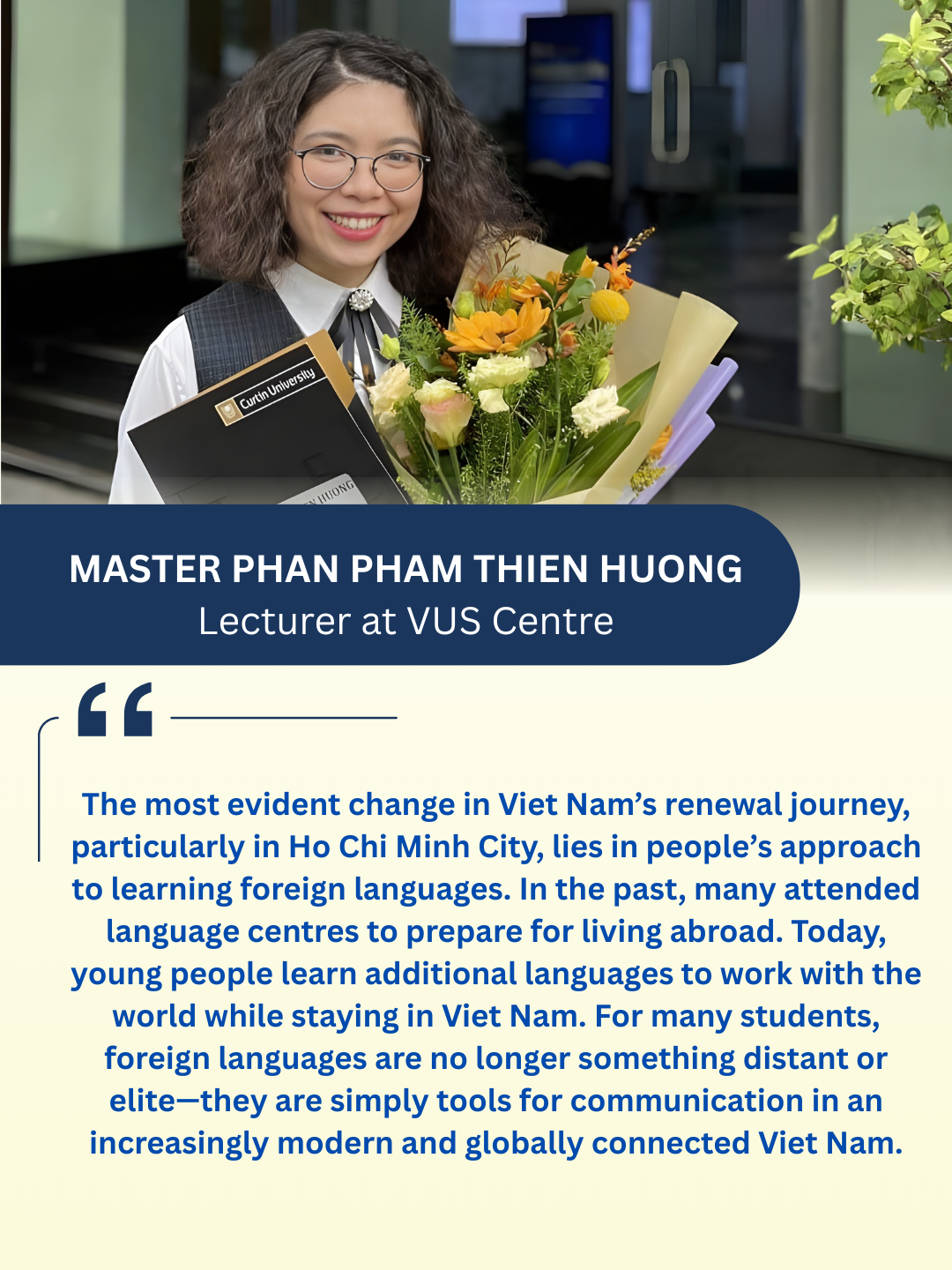
The average income per capita is 1.7 times higher than the national level. By 2030, the city aims to raise this figure to 14,000–15,000 USD. In terms of education and healthcare, the city has invested in a synchronised system, with many hospitals meeting international standards and modern schools, enabling residents to access the best possible services. Beyond basic needs, the city has been focusing on comprehensive development, where every individual has the opportunity to freely develop their talents and interests.
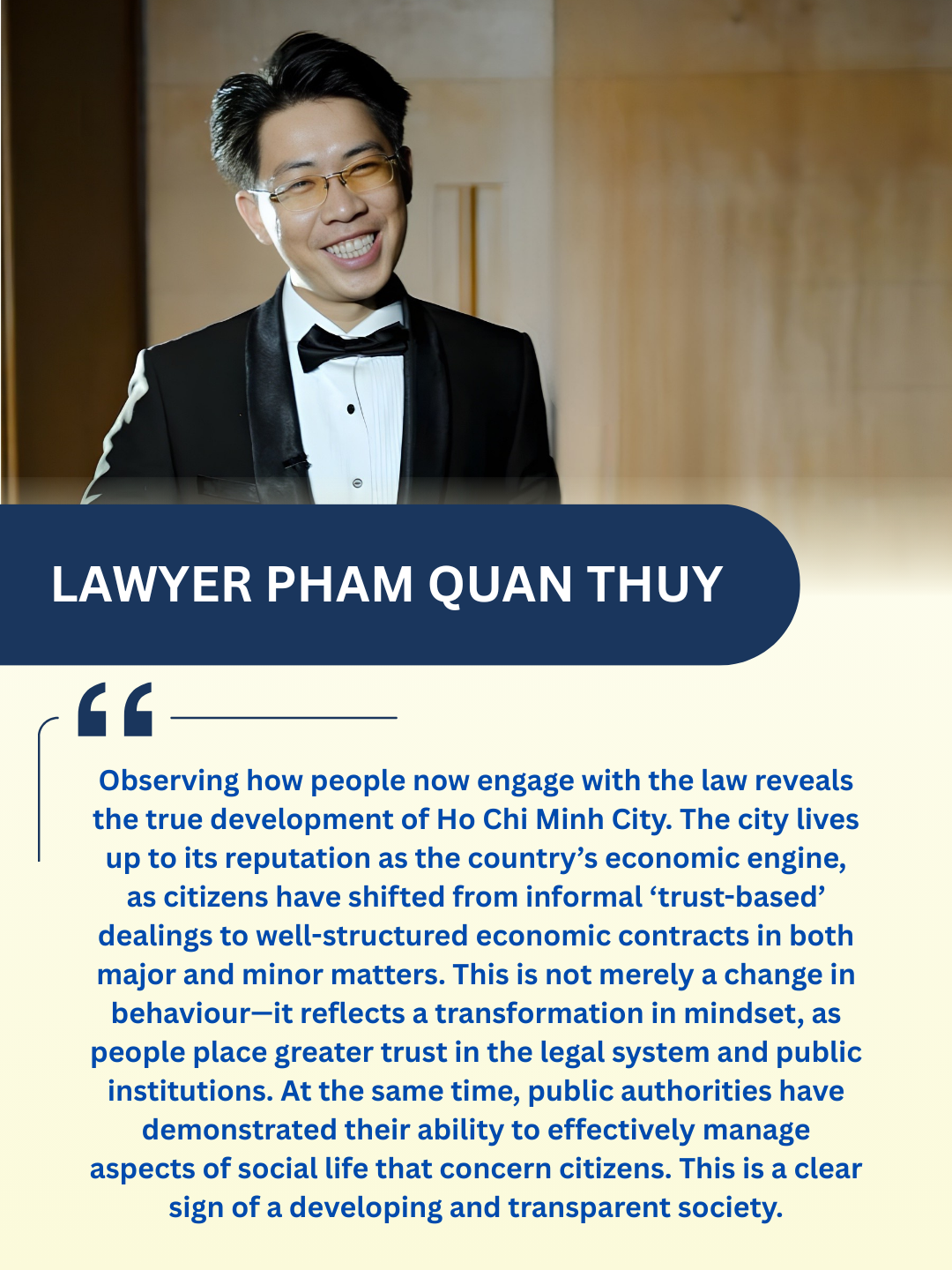
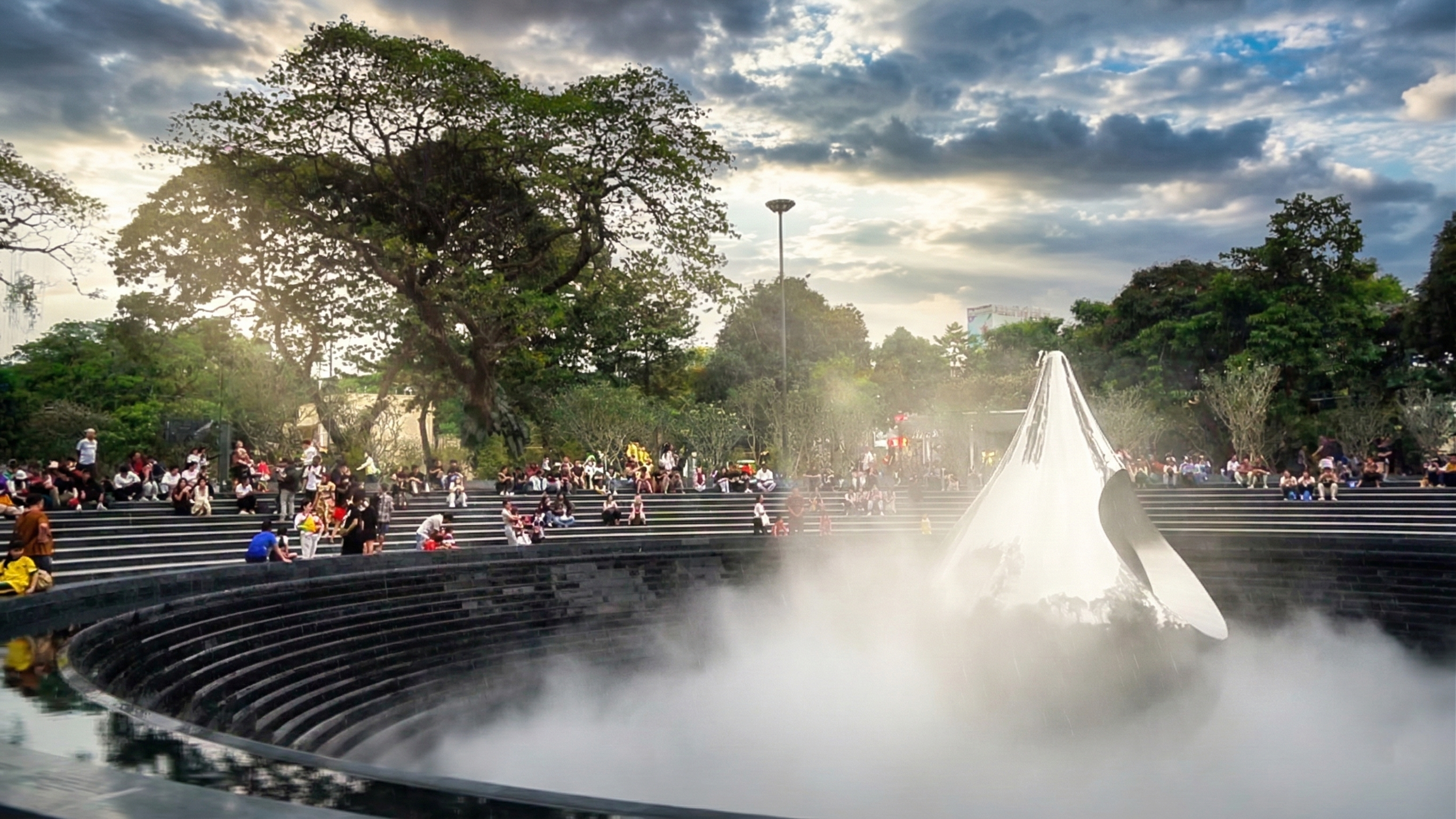
Policies have been introduced to transform vacant land, delayed project sites or spontaneous dumping grounds into green parks and community recreational spaces. Turning environmental “black spots” into cultural living spaces not only improves the environment and urban landscape but also enriches the spiritual life of residents.
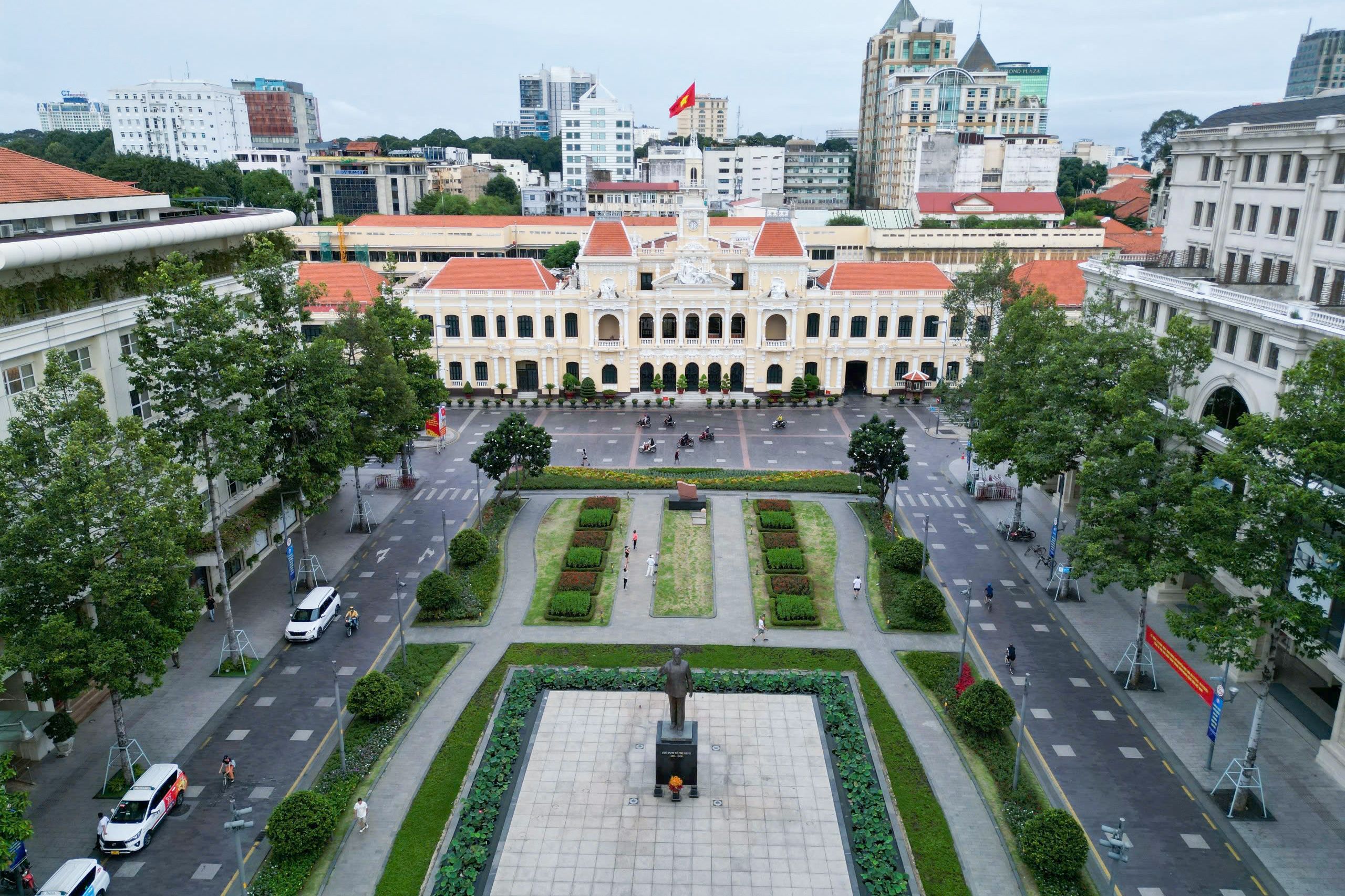
Images of elderly people practising gentle exercises and children playing under the shade of trees within densely populated neighbourhoods are the most vivid testament to a city that listens and cares about the simple yet essential aspects of life.
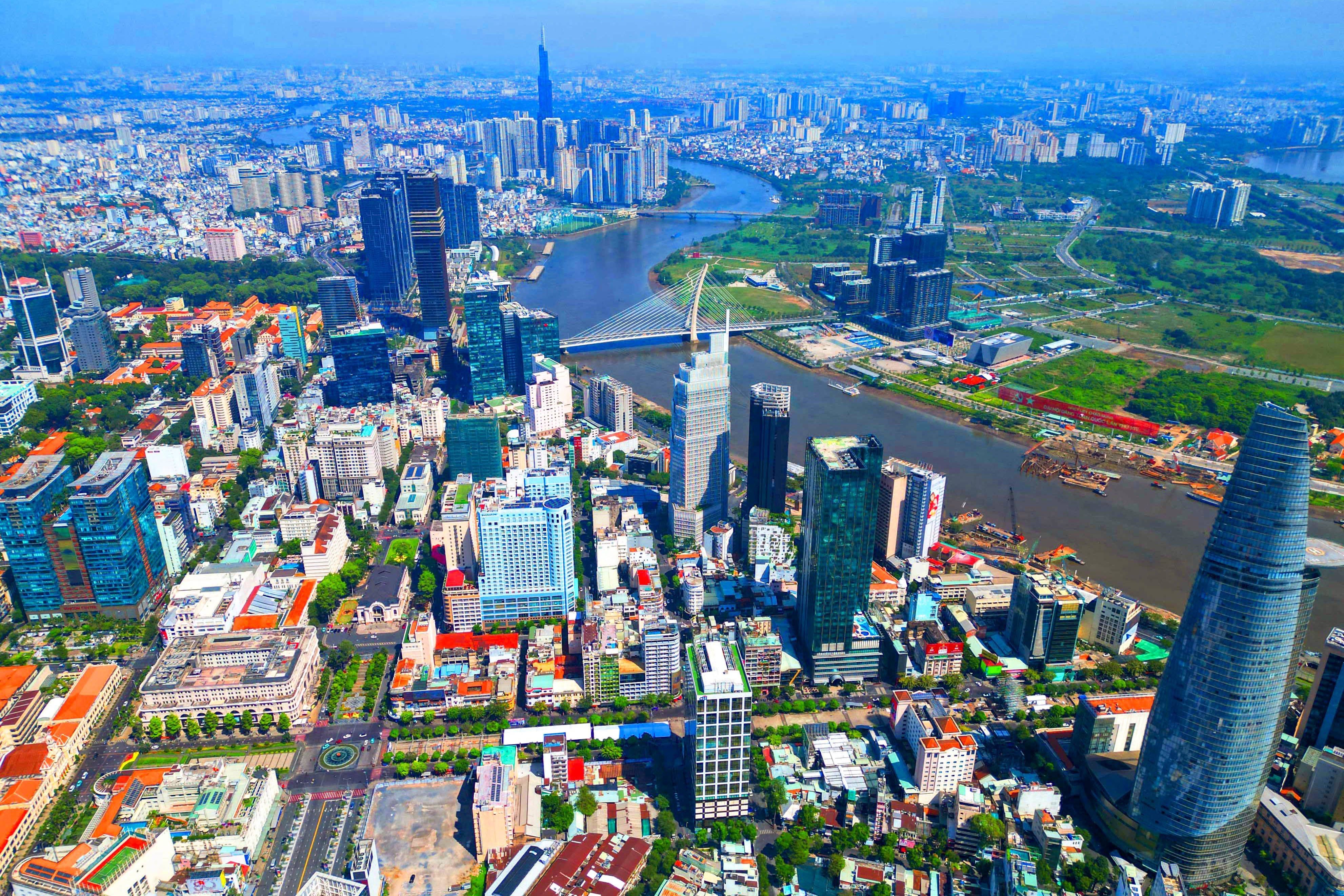
Fifty-one years have passed since the country was reunified, and Ho Chi Minh City today has taken on the appearance of a modern megacity, radiant with light and full of vitality. Yet behind the high-rise buildings, the wide boulevards and the vibrant pace of life lies a quiet undercurrent of memory, gratitude and appreciation for peace.
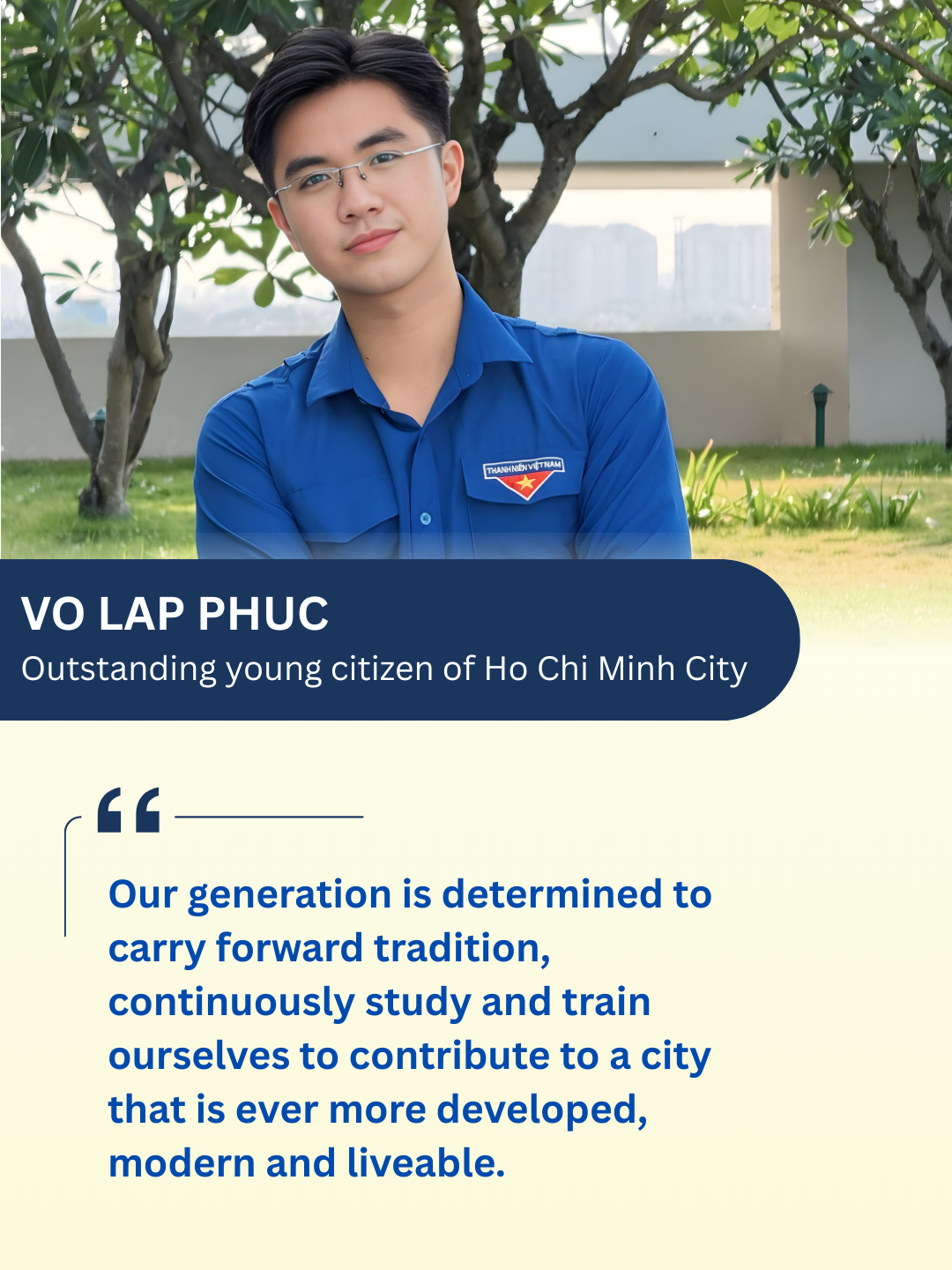
The people of the city understand that today’s tranquillity is not something to be taken for granted. It is the result of immense sacrifice — the price history has paid in exchange for days without the sound of bombs and gunfire. Therefore, every step of development, every structure built, and every simple smile in daily life carries within it the meaning of continuity, of responsibility to preserve and nurture what has been achieved.
Looking ahead, as Ho Chi Minh City continues to rise strongly, the aspiration for peace goes beyond merely preserving what exists. It evolves into a desire to contribute, to elevate the city to regional and global standing. Amid the rhythm of modern life, each resident can still clearly feel something simple yet sacred: to live in peace, to pursue happiness, and to trust in a brighter future.




Published: April 2026
Production Manager: Le Nam Tu
Content: Vuong Le, Tat Dat
Photos: The Anh, Tung Anh, Nguyen Cong Thanh
Design: Tung Anh

 Built with Shorthand