





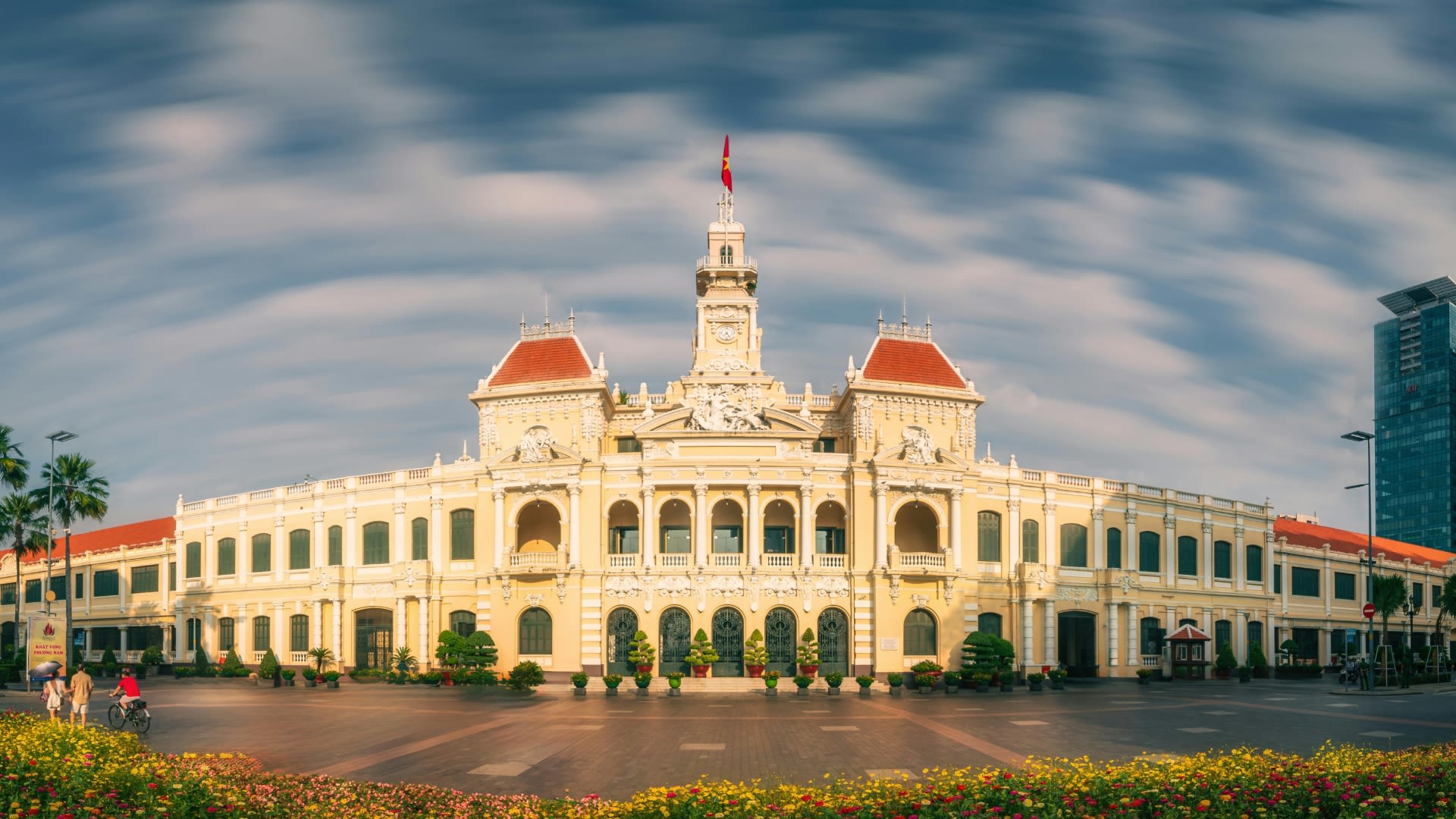
INSTITUTIONAL KEYS FOR A NEW DEVELOPMENT PHASE
The National Assembly’s adoption of the resolution amending and supplementing several articles of Resolution No.98/2023/QH15 is not merely a technical policy adjustment, but a strategically significant decision for Ho Chi Minh City in its new development phase. As the urban-economic space expands, the need for a sufficiently strong and flexible institutional framework to remove bottlenecks, unlock resources, and create growth momentum becomes increasingly urgent. The amended Resolution No.98 is expected to become a crucial institutional lever, helping Ho Chi Minh City continue to maintain its leading role in driving growth and innovation nationwide.

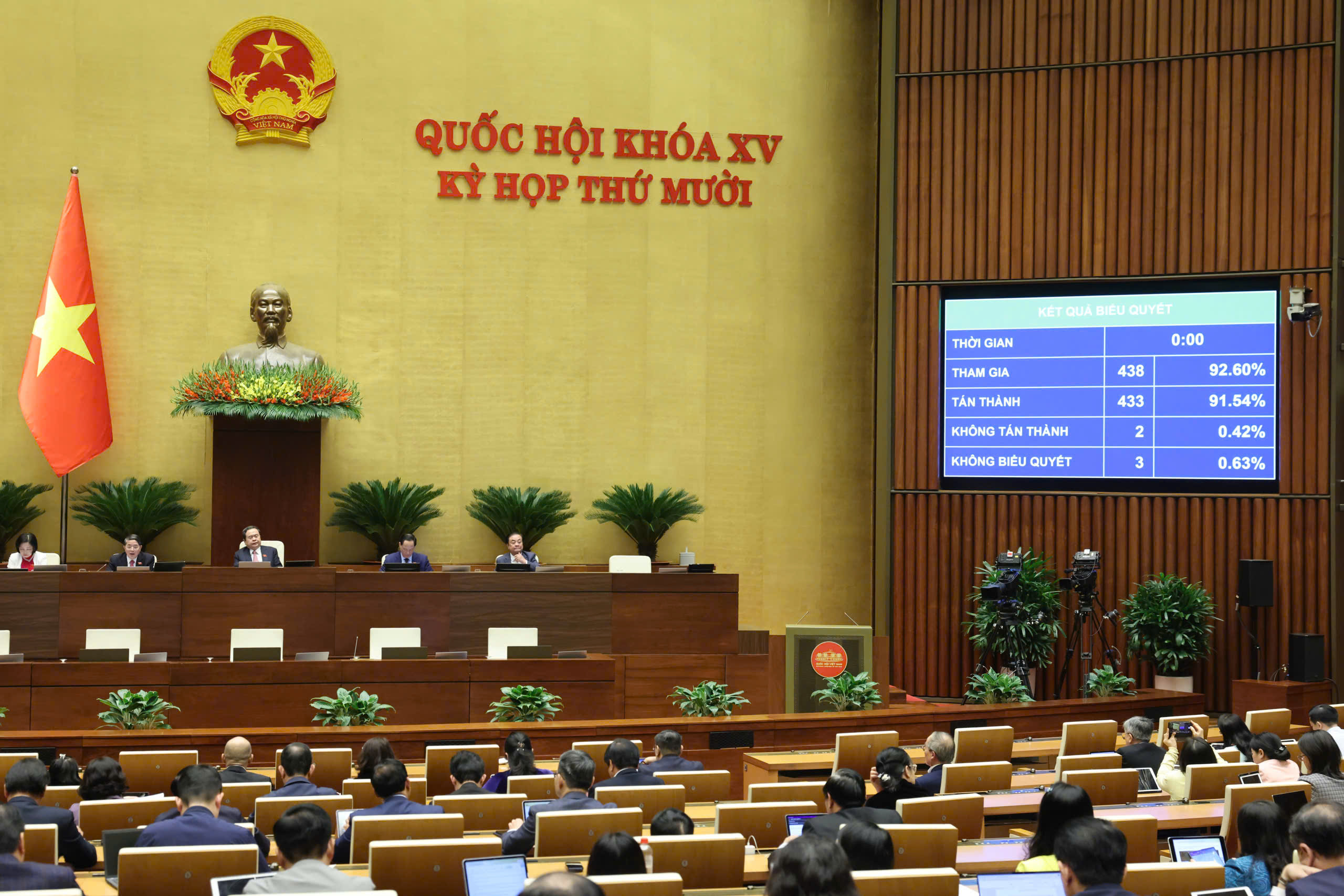
The National Assembly adopted the resolution amending and supplementing several articles of Resolution No.98/2023/QH15. (Photo: Pham Thang)
The National Assembly adopted the resolution amending and supplementing several articles of Resolution No.98/2023/QH15. (Photo: Pham Thang)
The National Assembly’s adoption of the resolution amending and supplementing several articles of Resolution No.98/2023/QH15 (dated December 11, 2025) is the result of a review of the practical implementation of the special mechanism for Ho Chi Minh City over the past two years. Practical experience shows that, in the context of the city entering a new development phase after the merger, with a rapidly increasing population and economic-urban space, many mechanisms of Resolution No.98/2023/QH15 have revealed limitations and have not kept pace with the development requirements of a megacity shaping its role as the economic, financial, and science-technology centre of the region.

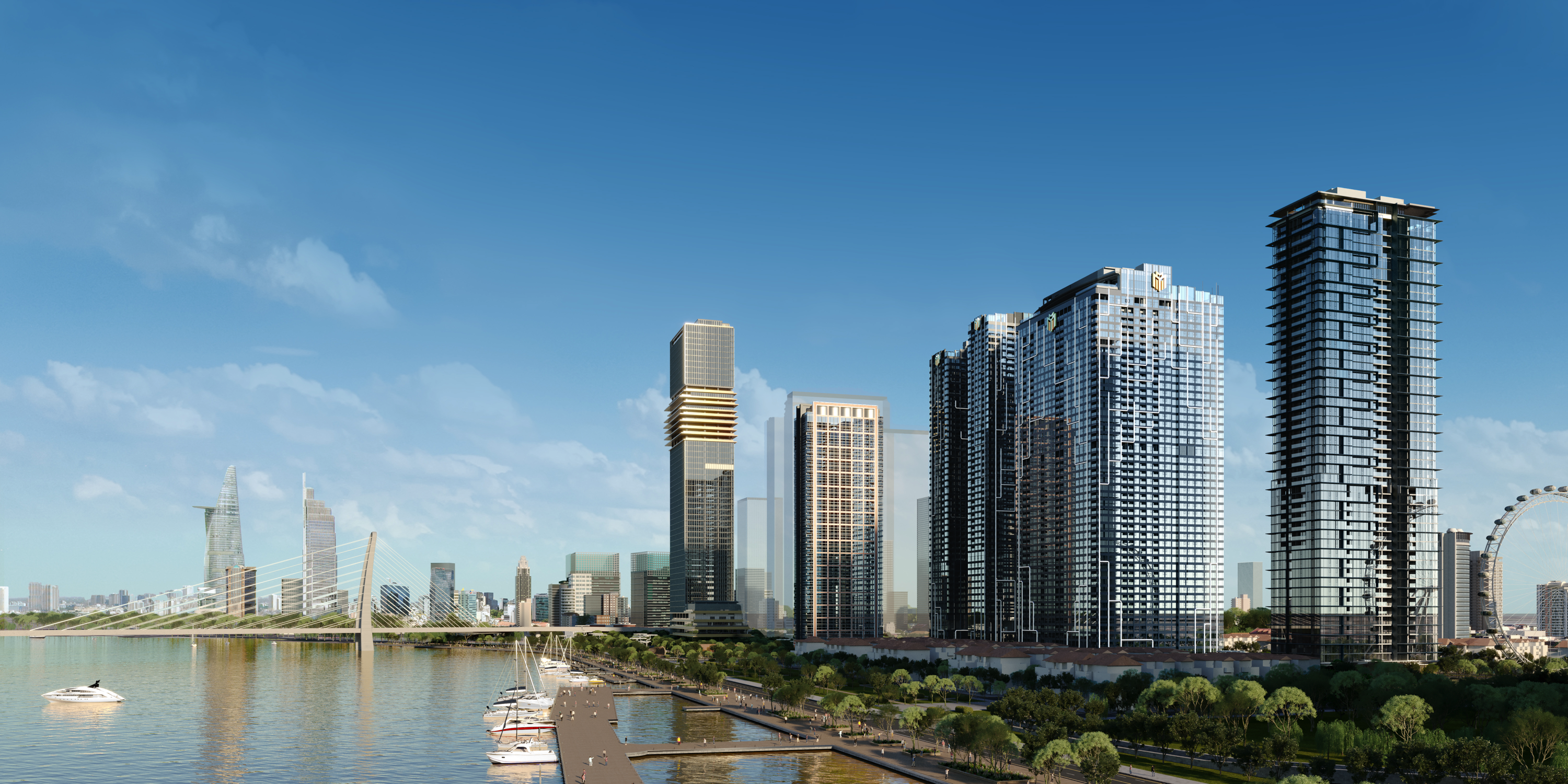
The first International Financial Centre in Ho Chi Minh City.
The first International Financial Centre in Ho Chi Minh City.
The amendment of Resolution No.98 therefore aims to not only overcome specific obstacles, but also demonstrate the political determination of the National Assembly and the government to continue granting Ho Chi Minh City superior institutional tools, commensurate with its role, position, and responsibility as the leading economic engine of the country.

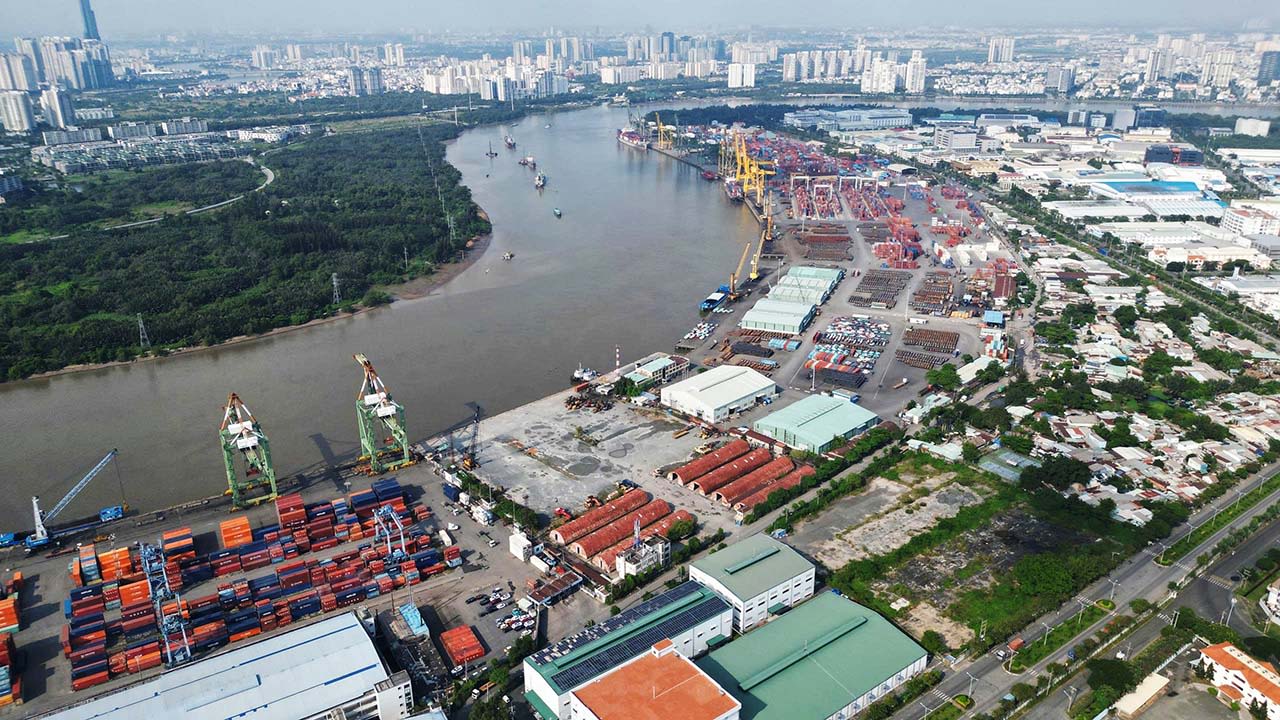
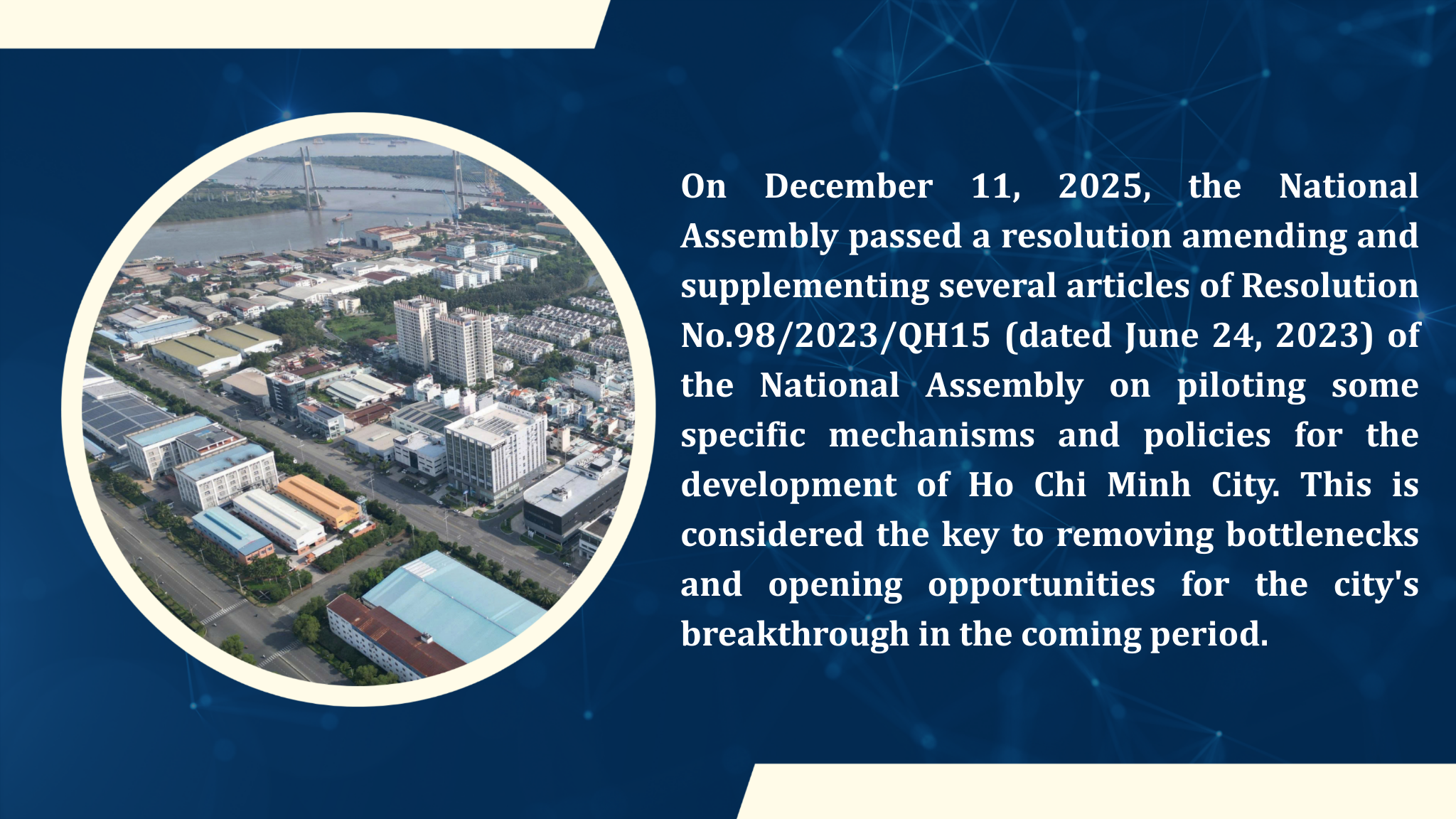
Tan Thuan Export Processing Zone.
Tan Thuan Export Processing Zone.
EXPANDING INSTITUTIONAL SPACE, INCREASING PROACTIVE POWER FOR THE CITY
The amended Resolution No.98 is built on the basis of the practical development requirements of Ho Chi Minh City, with the focus on expanding proactive power, increasing flexibility in management and administration, and shortening processes and procedures to accelerate the implementation of development projects. The new mechanisms focus on key areas such as planning, finance-budget, urban development, attracting strategic investment, and innovating urban governance models.

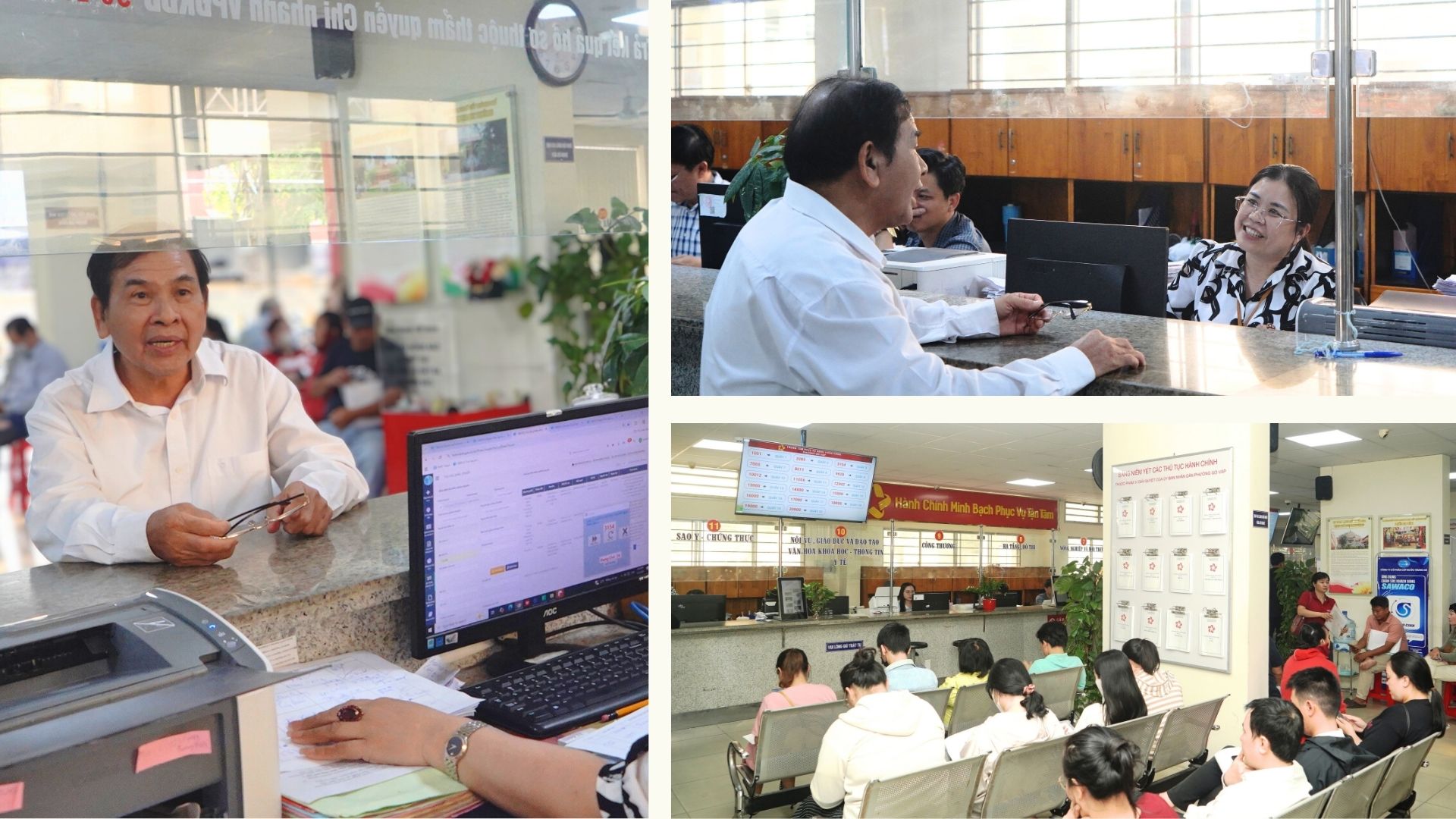
The application of management software and automated reporting systems has also helped to make the handling of feedback and complaints more accurate and transparent.
The application of management software and automated reporting systems has also helped to make the handling of feedback and complaints more accurate and transparent.
One foundational highlight is the mechanism allowing for the formulation of a single master plan for Ho Chi Minh City, based on the concretisation of national-level and regional planning orientations and the integration of sectoral plans. This approach not only addresses the long-standing problems of overlap and prolonged delays in planning work, but also creates a unified and flexible development framework suited to the operational requirements of a modern megacity.
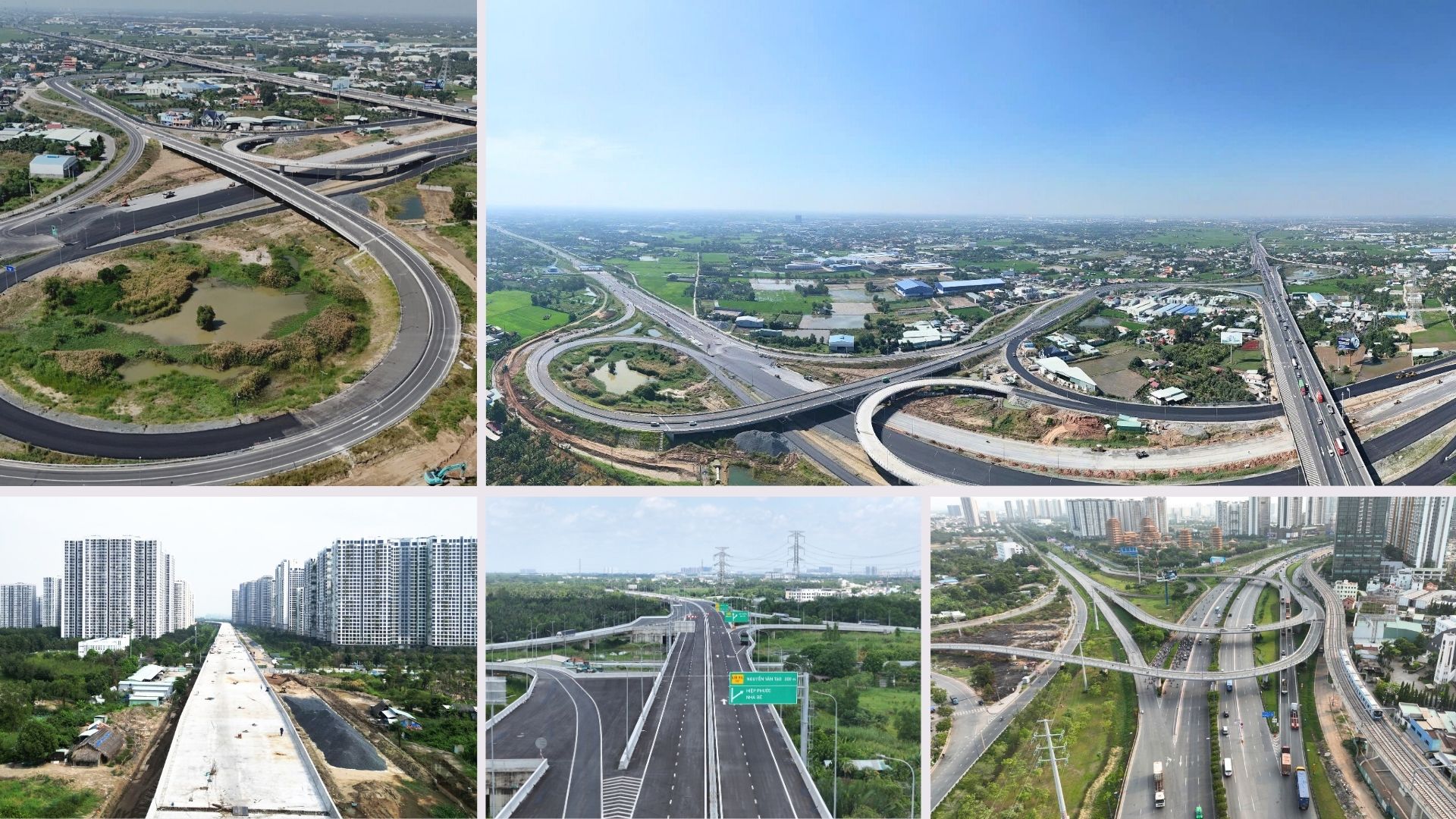
The amended Resolution 98 contributes to the development and synchronised completion of transport infrastructure, while at the same time promoting urban tourism, thereby creating new momentum and a solid foundation for the city’s rapid and sustainable development.
The amended Resolution 98 contributes to the development and synchronised completion of transport infrastructure, while at the same time promoting urban tourism, thereby creating new momentum and a solid foundation for the city’s rapid and sustainable development.
According to assessments by specialised agencies, the consolidation and integration of planning can shorten the investment project preparation cycle by one to two years, thereby significantly improving the investment environment while enhancing Ho Chi Minh City’s competitiveness in attracting domestic and international resources.
At the same time, the amended resolution clearly demonstrates a strong spirit of decentralisation and delegation of authority. Ho Chi Minh City is granted greater decision-making power and responsibility in many key areas, helping to reduce the “ask–grant” mechanism, limit the mentality of waiting for instructions, and enable the administrative apparatus to operate in a more agile and practical manner.
FREE TRADE ZONE — A GROWTH PILLAR IN THE NEW DEVELOPMENT MODEL
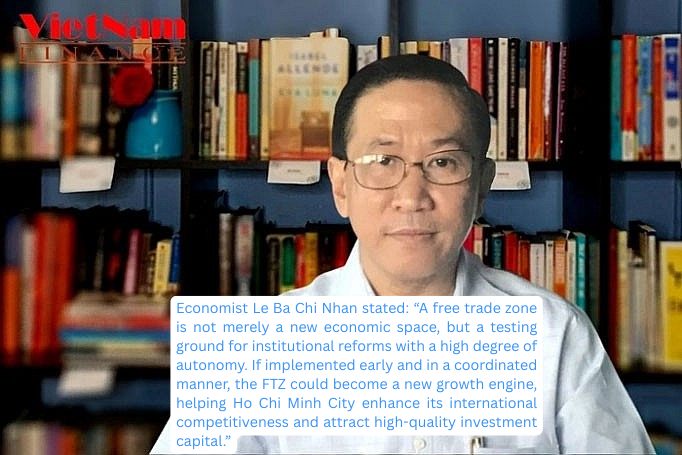
One breakthrough feature of the amended Resolution 98 is the mechanism for establishing a free trade zone (FTZ). Under this framework, the FTZ is not merely an area enjoying economic incentives, it is envisioned as an “institutional special zone” where Ho Chi Minh City can pilot breakthrough policies in trade, finance, logistics, high technology, research and development centres, and high-quality services.

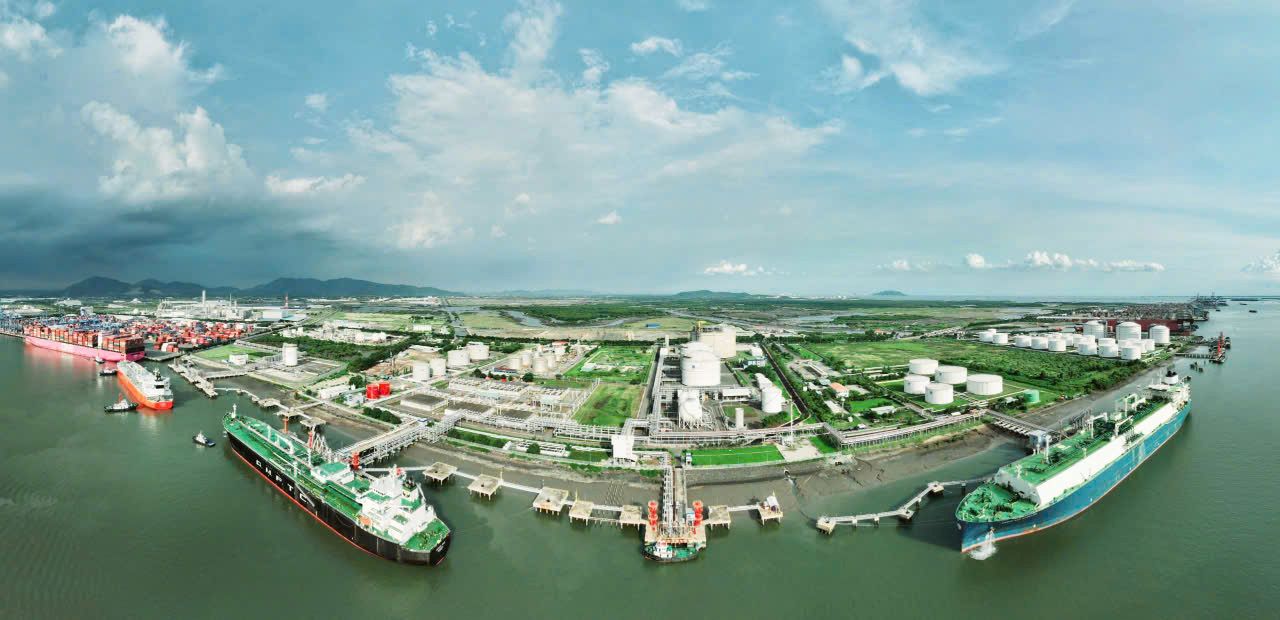
Ho Chi Minh City has been authorised to pilot breakthrough policies in trade, finance, logistics, high technology, research and development, and high-quality services.
Ho Chi Minh City has been authorised to pilot breakthrough policies in trade, finance, logistics, high technology, research and development, and high-quality services.
With highly competitive tax incentives within the region — such as a corporate income tax rate of 10% for 20 years, exemption for the first four years, and a 50% reduction of payable tax for the subsequent nine years, along with a 50% reduction in personal income tax for experts and scientists for ten years — the FTZ is expected to exert strong attraction for strategic investors, multinational corporations, and high-quality human resources.

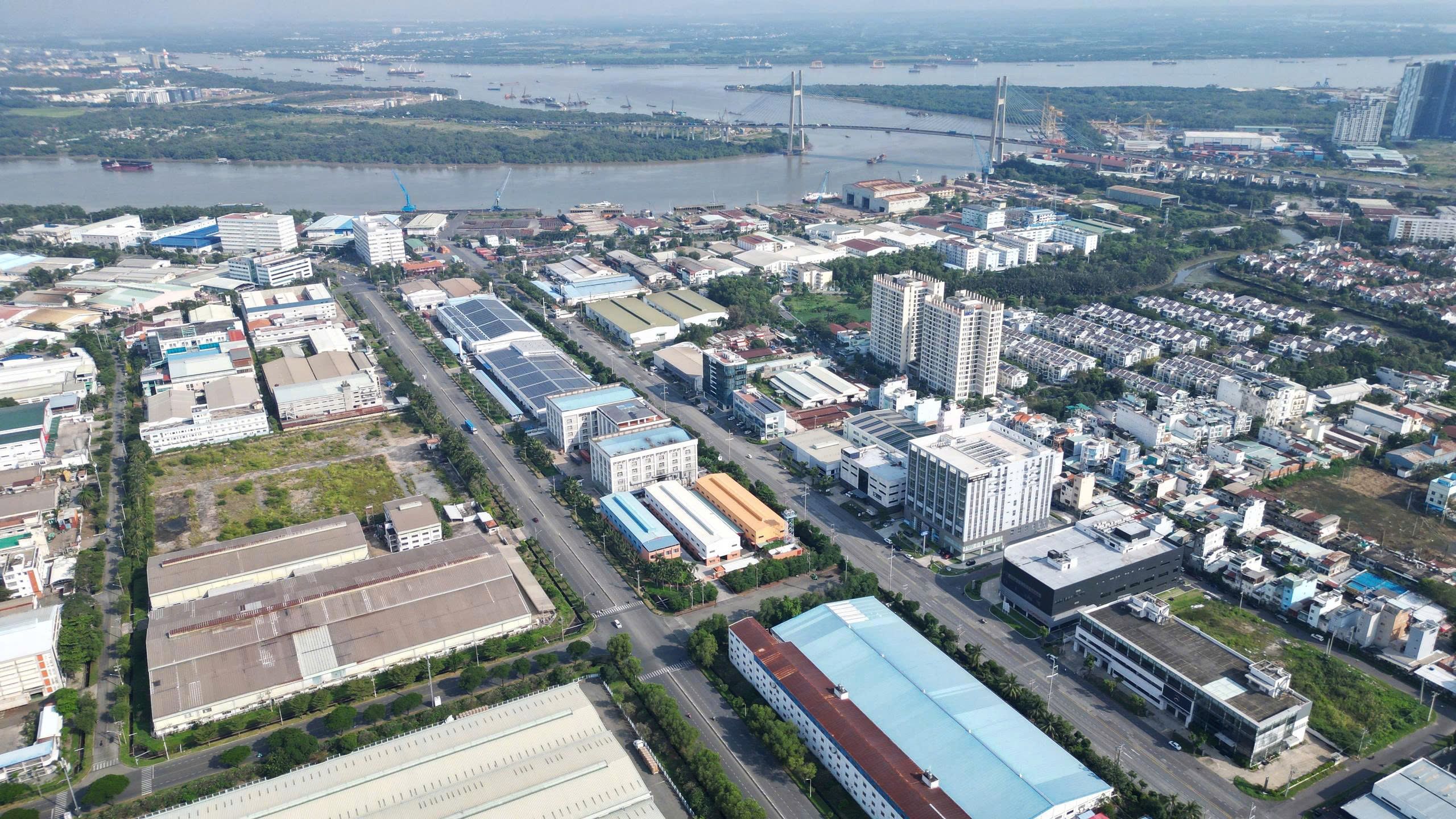
Tan Thuan export processing zone
Tan Thuan export processing zone
More importantly, the establishment of the FTZ marks a shift in Ho Chi Minh City’s growth model, from one largely reliant on traditional industry and services to a development model based on knowledge, technology, innovation and high value added, in line with the trends of the digital economy and the green economy.

TRANSIT-ORIENTED URBAN DEVELOPMENT
The amended Resolution 98 also introduces breakthrough mechanisms for urban development based on transit-oriented development (TOD). This is regarded as a systemic solution that not only addresses challenges in urban planning and spatial organisation, but also effectively harnesses land value gains to reinvest in infrastructure.
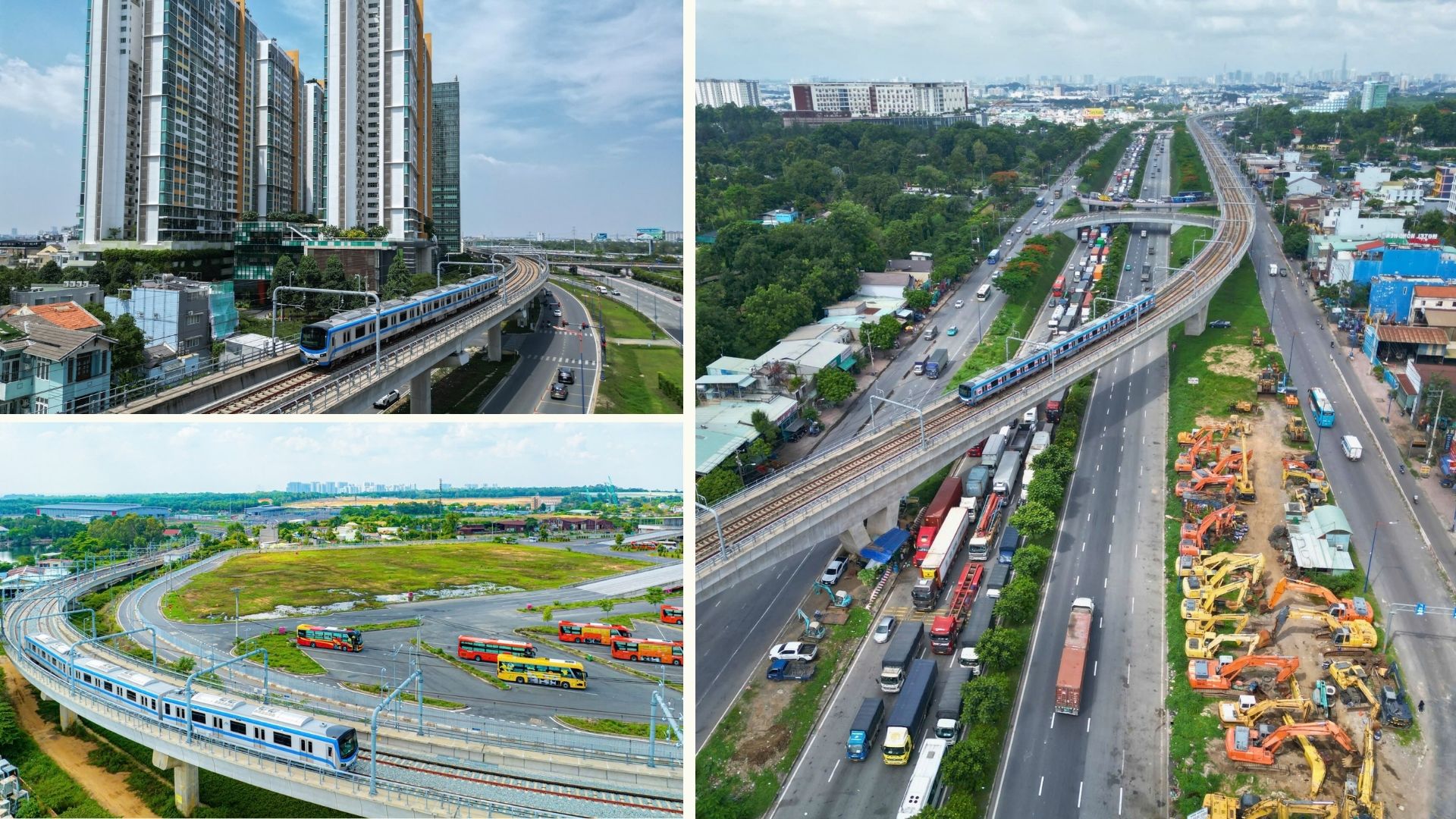
TOD is seen as a major breakthrough, opening up the potential to mobilise substantial resources without increasing public debt.
TOD is seen as a major breakthrough, opening up the potential to mobilise substantial resources without increasing public debt.
According to assessments, Ho Chi Minh City needs to mobilise between 8 and 12 billion USD each year to implement infrastructure projects and strategic development initiatives, while the city’s budget currently meets only around 30% of this demand. The mechanism allowing the city to use 100% of land-related revenues associated with TOD for investment in public transport is considered a significant breakthrough, enabling the mobilisation of large-scale resources without adding to public debt.
INFRASTRUCTURE INVESTMENT DEMAND AND FUNDING SOURCES
Annual strategic capital demand
Balancing capacity from the Ho Chi Minh City budget
Current level of coverage
New breakthrough mechanism
Use the entire amount of this revenue for investment in public transport.
The new resolution also simplifies planning processes, procedures, and the registration and selection of strategic investors. At the same time, it adds 11 categories of priority projects to attract strategic investors, focusing on large-scale, catalytic investments in transport infrastructure, tourism, urban development, logistics and environmental protection. This is extremely necessary, as in practice the city’s development is in urgent need of “eagle enterprises”, particularly at a time when the city is shifting from extensive growth to intensive development based on innovation, the digital economy and the green economy.

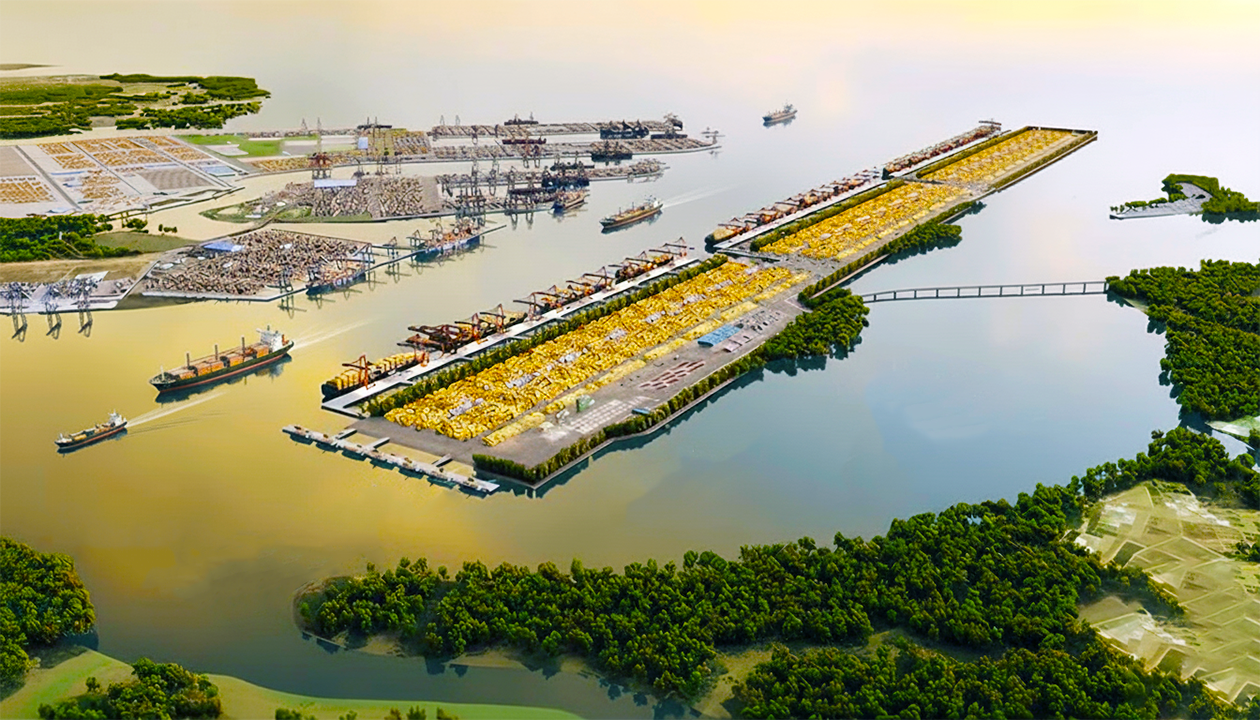
Perspective of Can Gio Port
Perspective of Can Gio Port
PROACTIVE ACTION NEEDED TO OVERCOME CHALLENGES
Alongside significant opportunities, the implementation of the amended Resolution 98 also presents a number of challenges. Foremost among these is the requirement to enhance the capacity of the cadre of officials and civil servants in the context of stronger decentralisation. Without accompanying mechanisms for effective oversight and clear accountability, there is a risk of abuse of power or conversely a tendency towards caution and avoidance of responsibility.

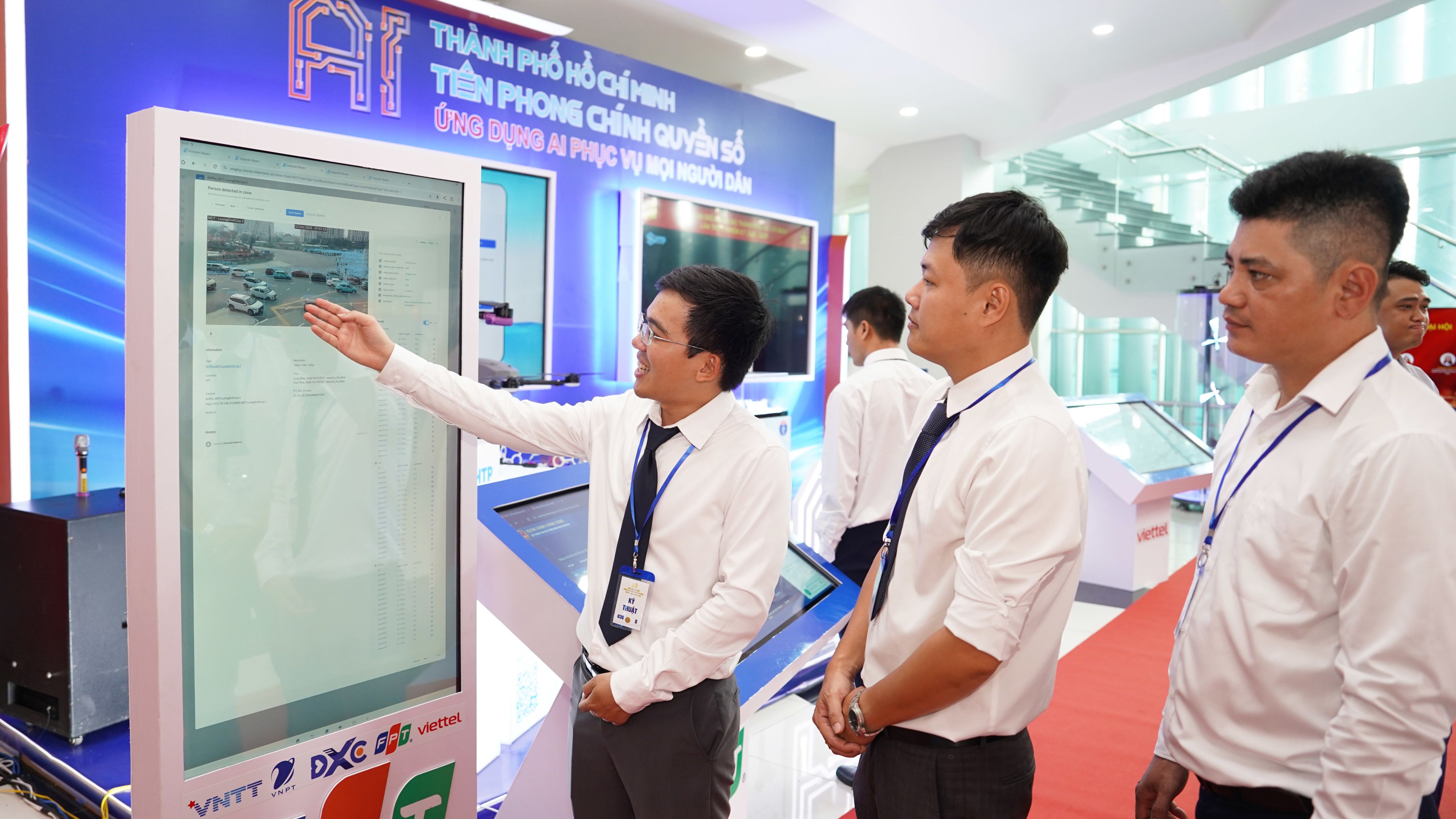
Ho Chi Minh City is stepping up the application of digital transformation to improve operational efficiency and competitiveness.
Ho Chi Minh City is stepping up the application of digital transformation to improve operational efficiency and competitiveness.
In addition, disparities in development levels between the existing inner-city areas and newly merged zones require Ho Chi Minh City to adopt integrated planning and appropriate resource coordination mechanisms, ensuring balanced development and the spread of benefits across the entire urban area.


MOVING SWIFTLY AND DECISIVELY INTO IMPLEMENTATION
The new special mechanisms granted to the city are now clearly defined, and the time has come for Ho Chi Minh City to put them into practical operation in order to fully capitalise on these advantages.

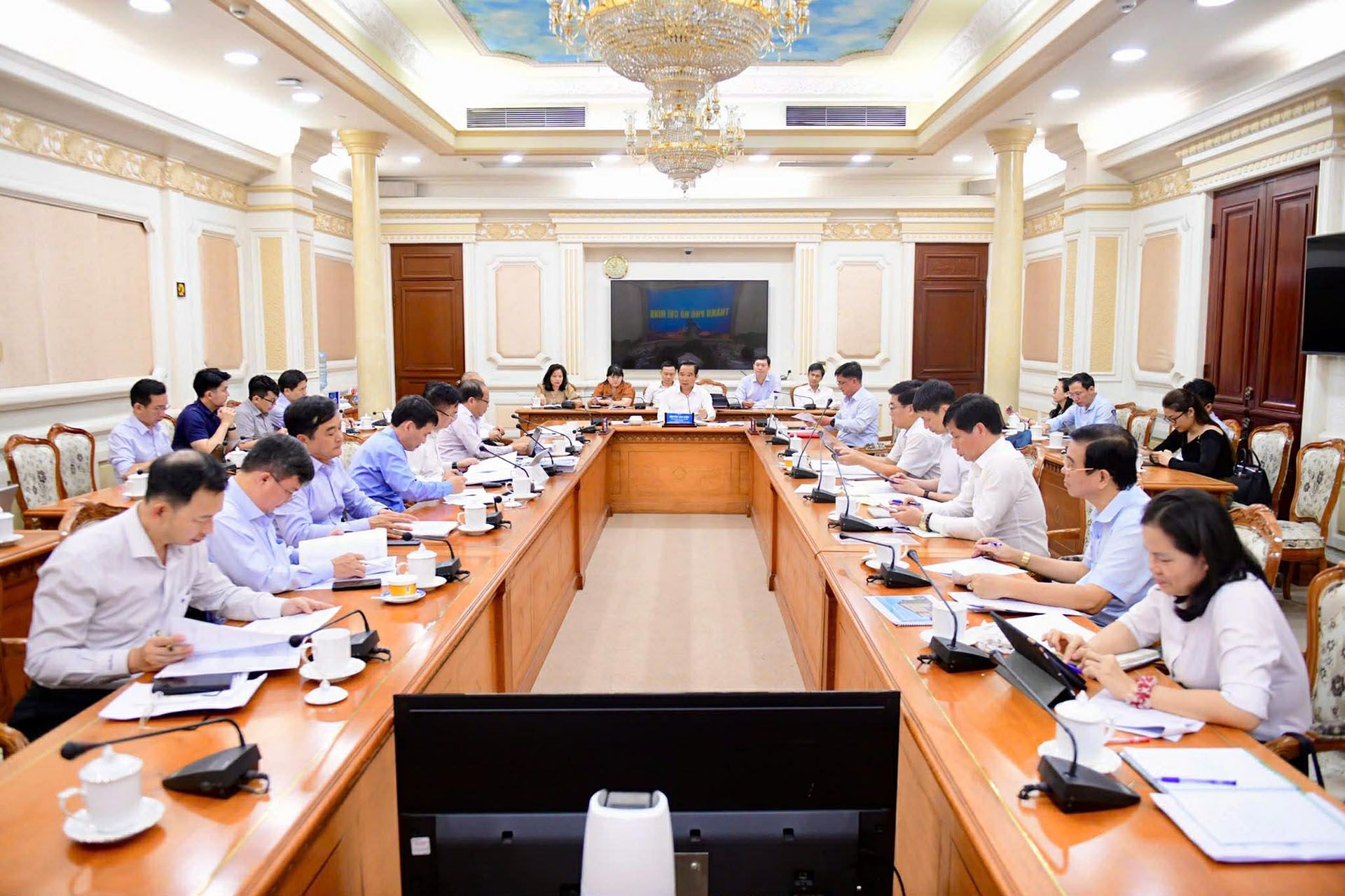
A meeting on the evening of December 12 to implement the amended Resolution 98 at the Ho Chi Minh City People’s Committee.
A meeting on the evening of December 12 to implement the amended Resolution 98 at the Ho Chi Minh City People’s Committee.
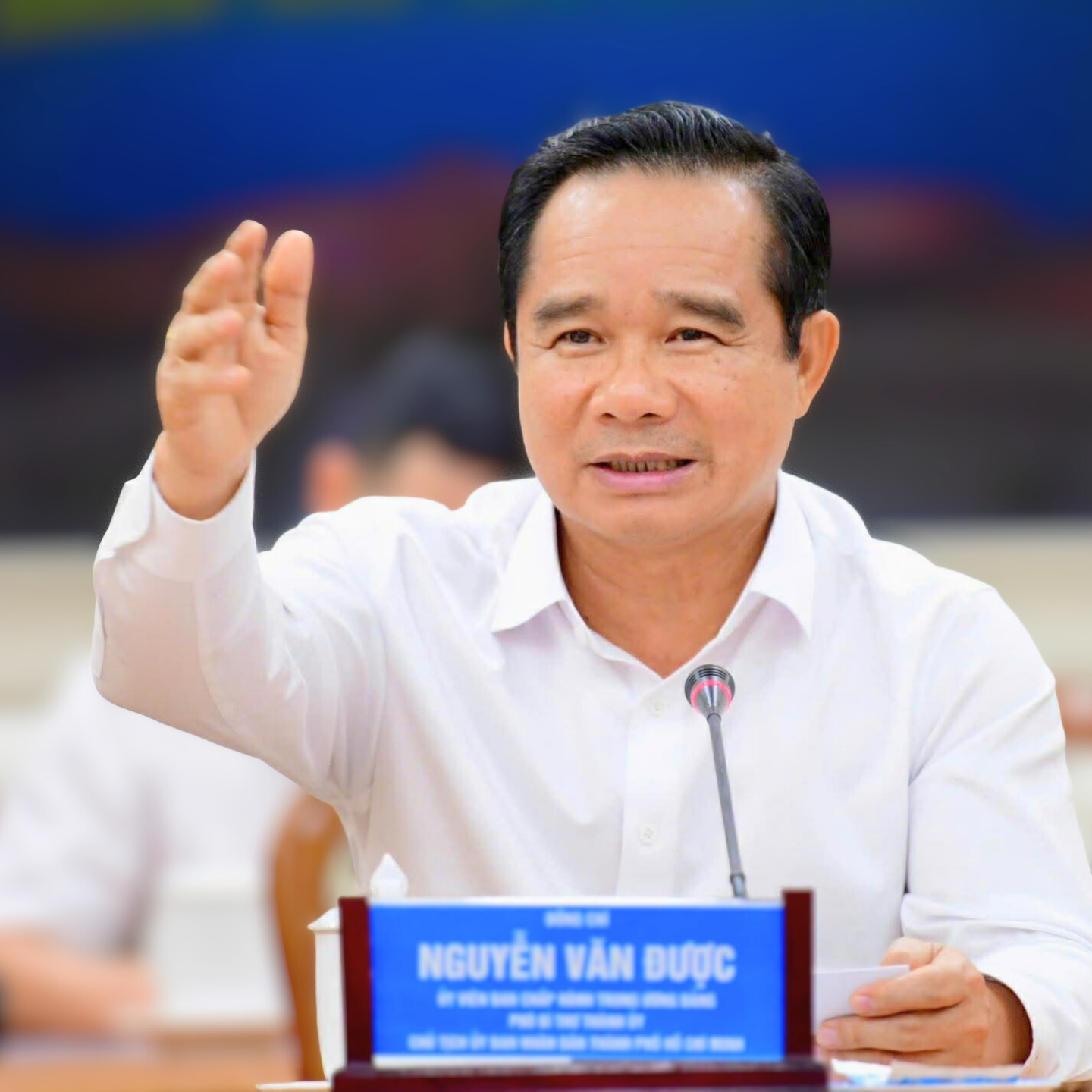
Immediately after the resolution was passed, on the evening of December 12, 2025, the Ho Chi Minh City People’s Committee convened an emergency meeting to prepare the implementation steps. Nguyen Van Duoc, Chairman of the Ho Chi Minh City People’s Committee, instructed departments and agencies to carry out tasks in parallel, without delay, and to ensure that all necessary work is completed ahead of the City People’s Council meeting in late December 2025, with the resolution to officially take effect on January 1, 2026.

“The city seeks mechanisms, not funding, and is ready to serve as a pilot site for new arrangements — a ‘policy laboratory’. The city recognises that outstanding special mechanisms and policies are merely tools and necessary conditions. These mechanisms will only be effective when officials are proactive, willing to think creatively, act decisively, and take responsibility for the common good. The city is committed to implementing these new mechanisms and policies in a resolute manner, with the highest sense of responsibility.”
NGUYEN VAN DUOC
Chairman of the Ho Chi Minh City People’s Committee

THE JOURNEY TOWARDS FORMING THE AMENDED RESOLUTION 98
Ho Chi Minh City
Source: National Assembly of the Socialist Republic of Viet Nam
KEY ECONOMIC INDICATORS FOR 2026
(as a share of GRDP)
(in GRDP)
The amended Resolution No.98 not only expands the authority granted to Ho Chi Minh City, but also serves as a critical test of governance capacity, leadership resolve and the spirit of commitment required of a leading megacity. Institutions only truly become a driving force when they are operated by a capable, transparent administration that is willing to take responsibility for the common good.
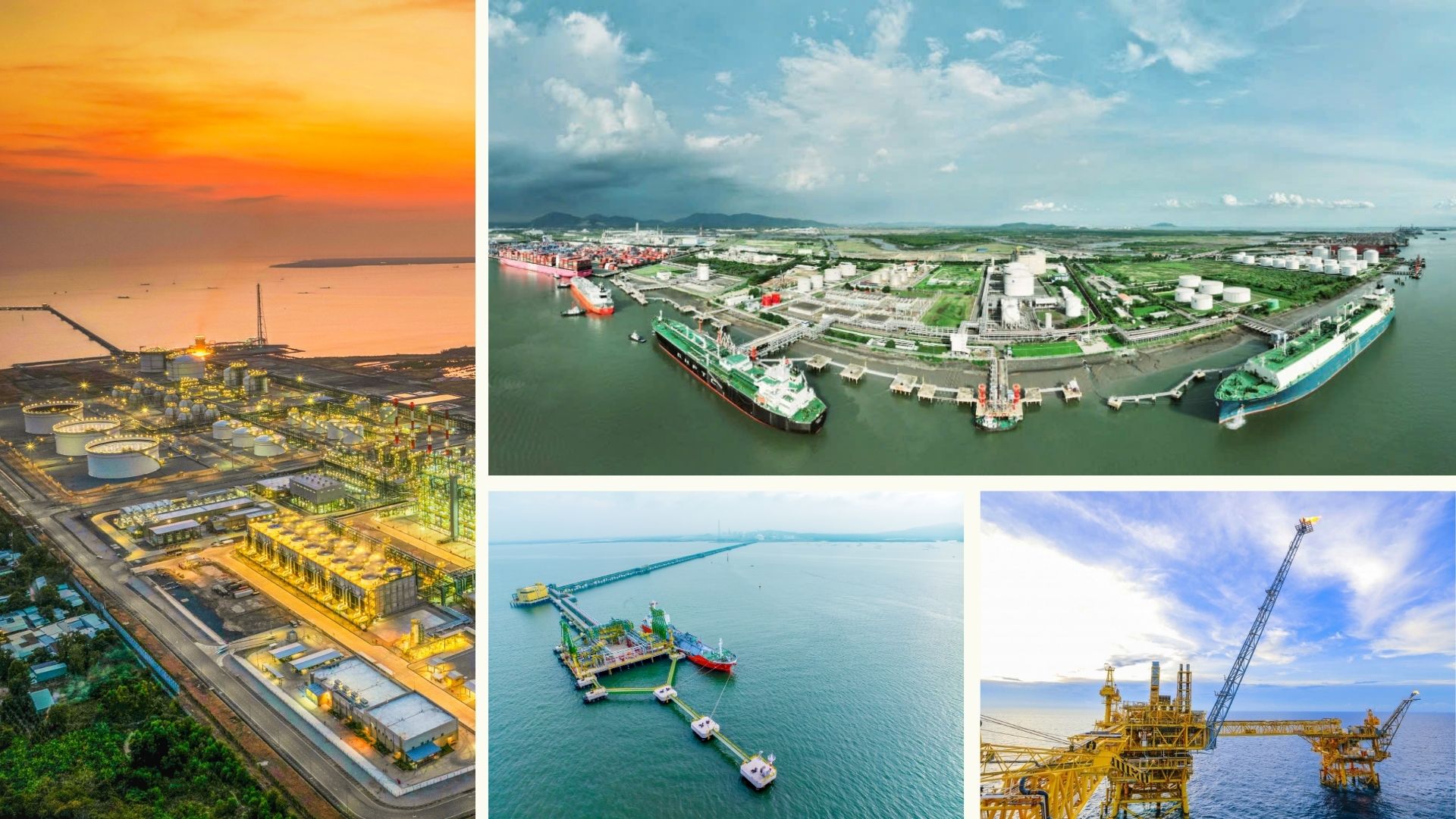
The solutions being implemented are aimed at significantly improving the investment environment and enhancing Ho Chi Minh City’s competitiveness in attracting domestic resources.
The solutions being implemented are aimed at significantly improving the investment environment and enhancing Ho Chi Minh City’s competitiveness in attracting domestic resources.
In this new phase of development, as powers are expanded, the city’s responsibilities also grow. The success of the amended Resolution 98 will be measured not only by growth figures, but by the quality of life of its residents, the competitiveness of its urban economy, and its ability to generate spillover momentum for the entire country. With its long-standing tradition of dynamism, creativity and aspiration to rise, Ho Chi Minh City is expected to continue moving one step ahead—affirming its role as the nation’s economic engine, a centre of innovation, and a pillar of national development in the new era.
Production Manager: Le Nam Tu
Production Organisation: Tung Quang
Content: Vuong Le, Tat Dat
Photos: Tung Anh, The Anh
Design: Tung Anh, NDO


 Built with Shorthand